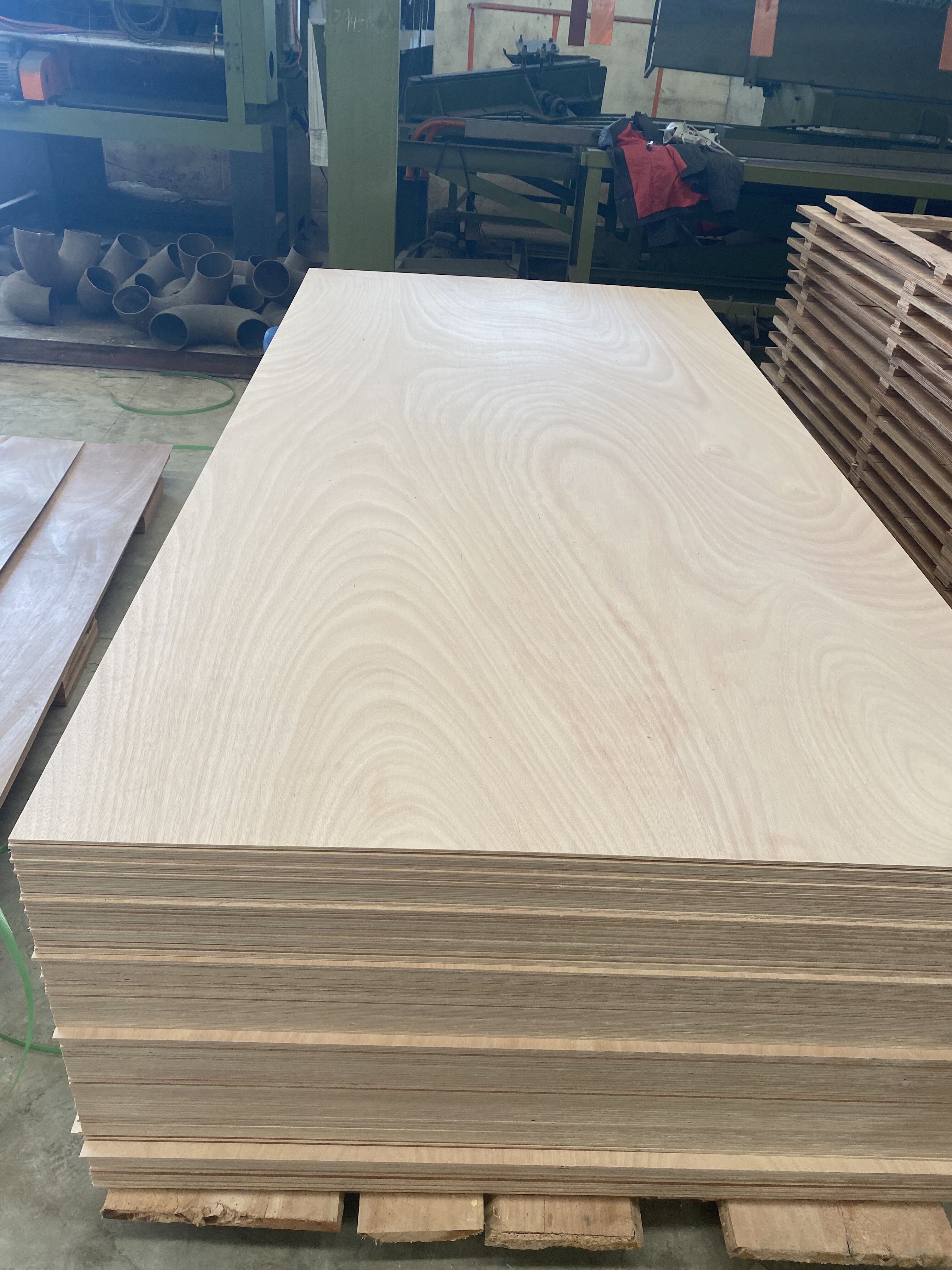
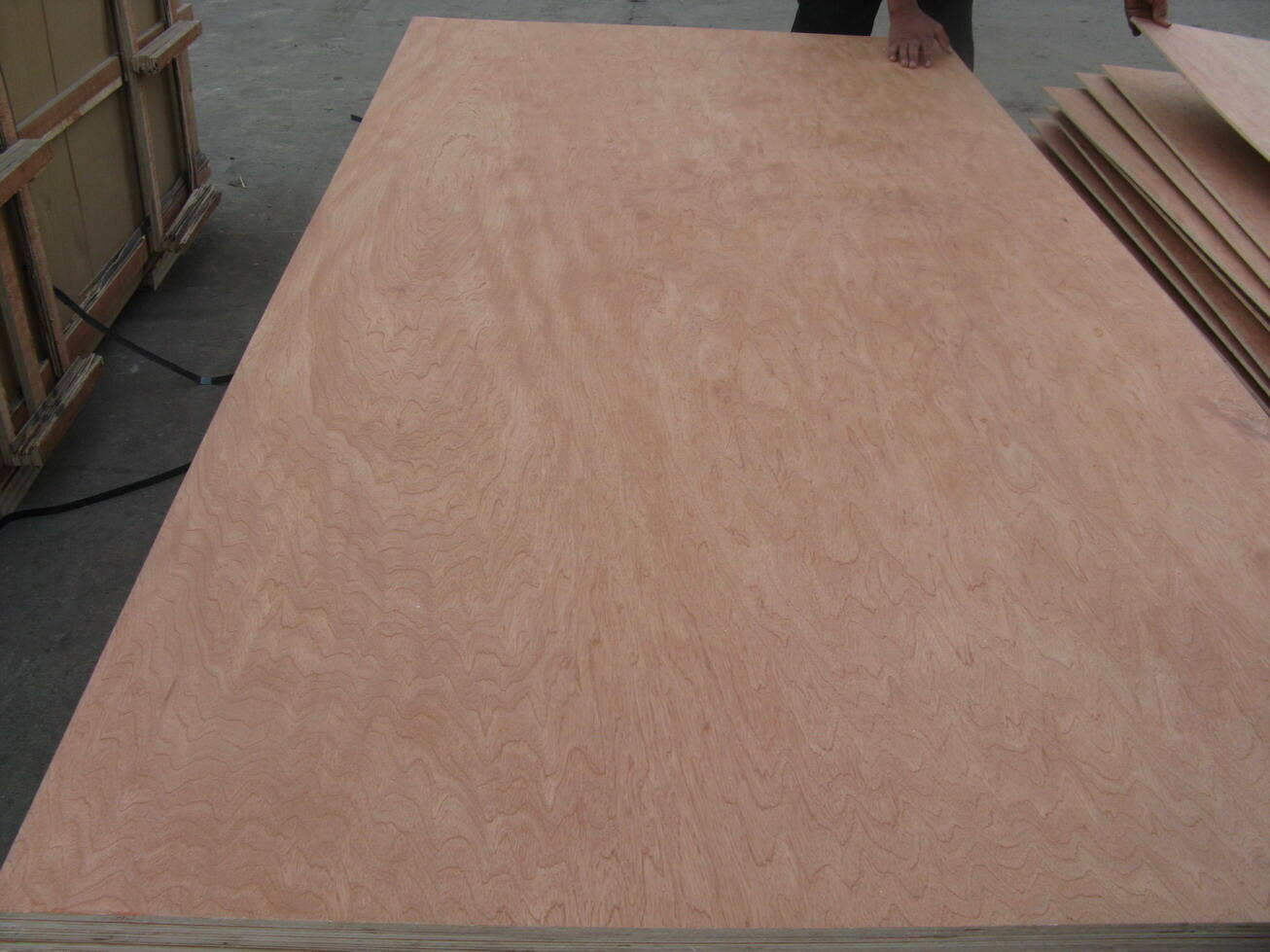
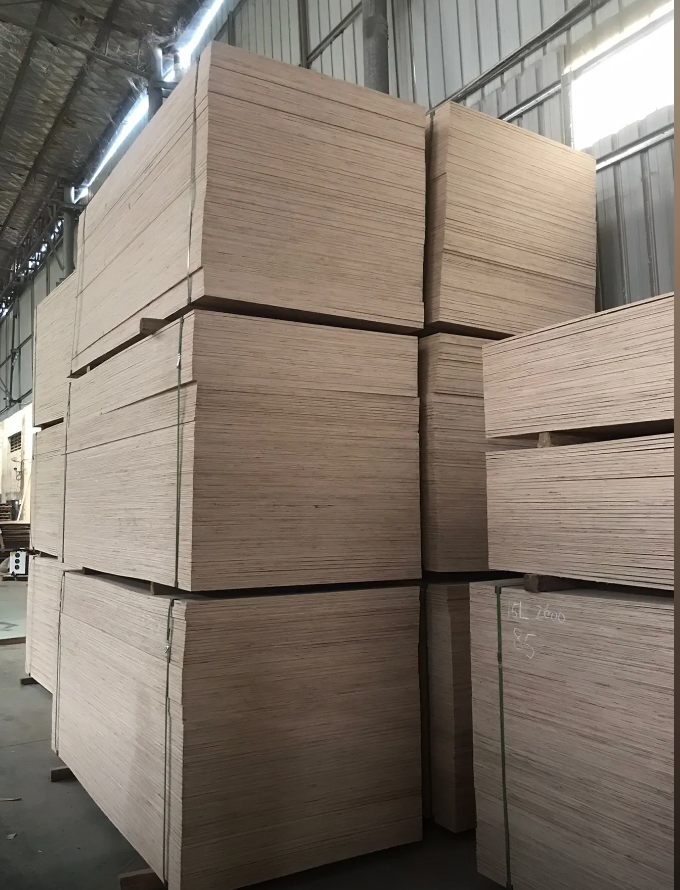
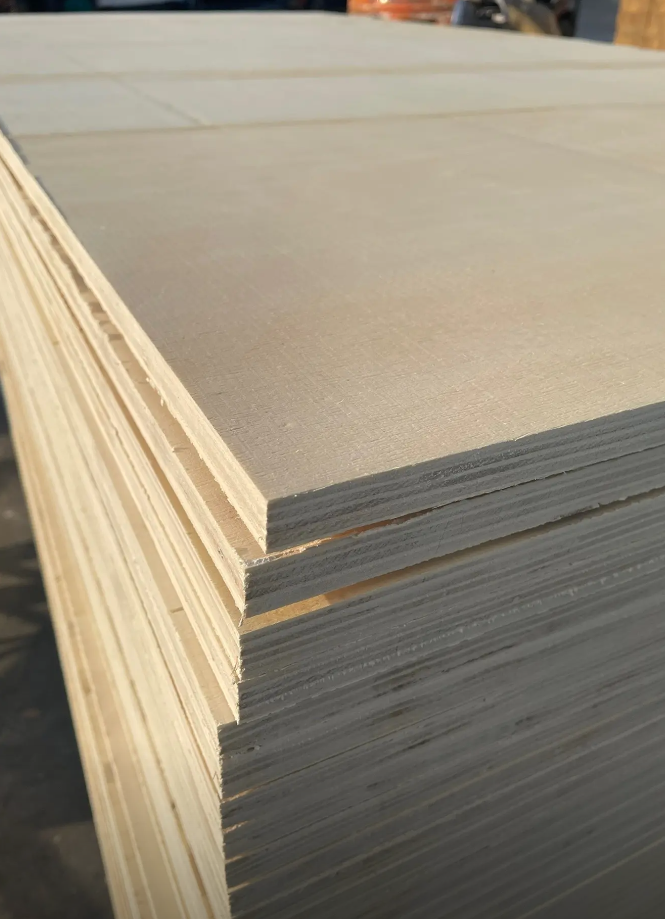
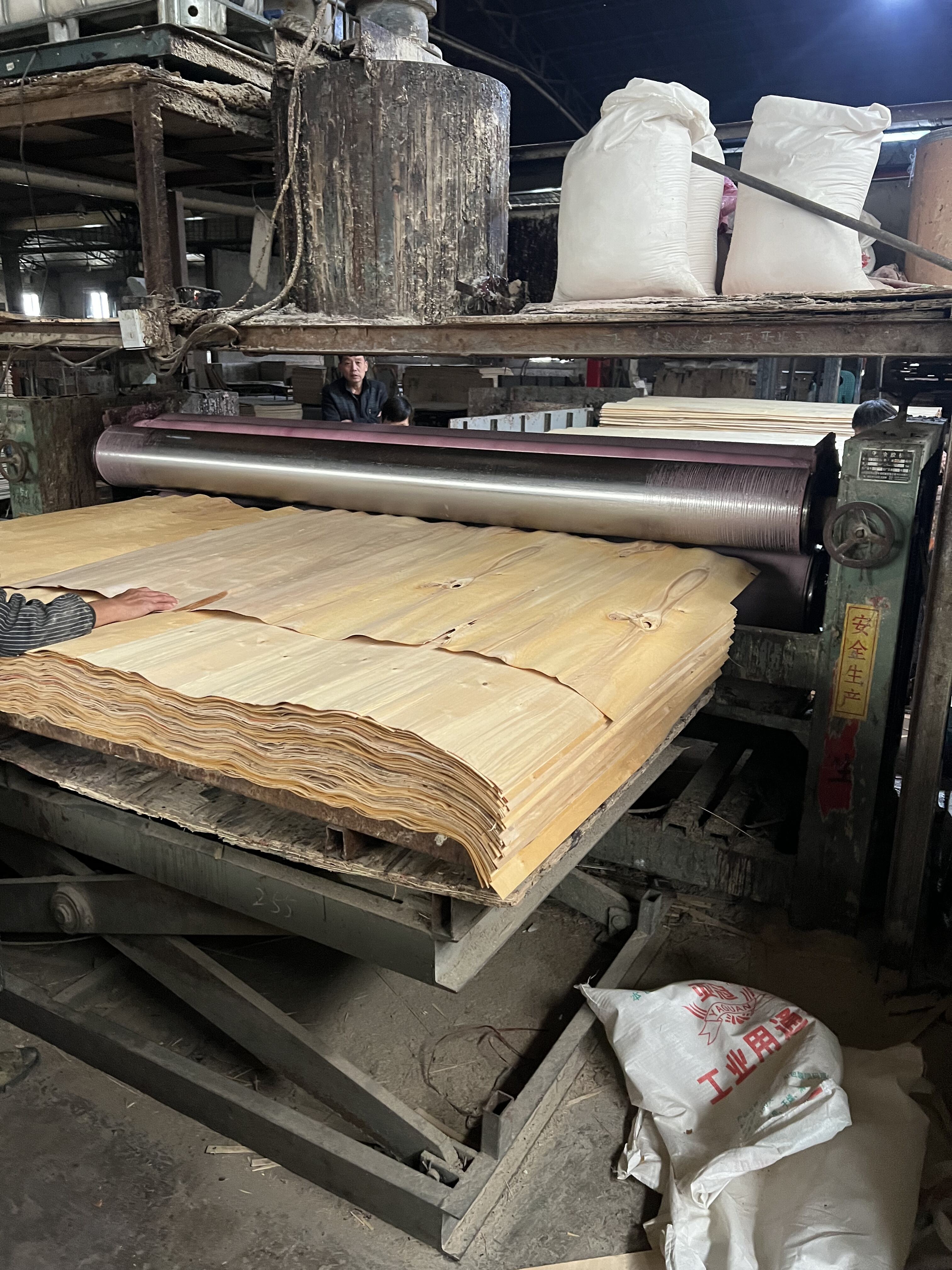
Bending plywood, also known as flexible plywood or curved plywood, is a specialized material engineered to bend and form into curved shapes without cracking, splitting, or losing structural integrity, making it a staple in architectural design, furniture manufacturing, and automotive interiors. Unlike standard plywood, which is rigid and prone to breaking when bent, bending plywood is manufactured using thin, high-quality wood veneers (typically 1mm-2mm thick) bonded with flexible adhesives, arranged in a cross-laminated pattern that allows the material to flex in one or two directions (depending on the design). Manufacturers like New Create Plywood Company Limited—based in Bac Giang Province, Vietnam, with expertise in producing specialized plywood products—supply bending plywood crafted from premium veneers (such as birch, rubberwood, or acacia) and flexible urea-formaldehyde or melamine-formaldehyde adhesives, ensuring durability and flexibility for both temporary and permanent curved applications. One of the key features of bending plywood is its directional flexibility. Single-curved plywood (flexible in one direction) is used for applications like curved walls, arches, and cylindrical furniture legs, while double-curved plywood (flexible in two directions) is suitable for complex shapes like domes, chair seats, and boat hulls. For example, an architect in Spain might use single-curved bending plywood to create a sweeping archway in a residential entryway, as the material’s flexibility allows it to maintain a smooth curve without visible seams, enhancing the space’s aesthetic appeal. In furniture manufacturing, bending plywood is widely used to craft modern, organic designs such as curved sofas, armchairs, and coffee tables. A furniture designer in Denmark could use double-curved bending plywood to create the seat of a minimalist chair, leveraging the material’s strength to support weight while its flexibility allows for a comfortable, ergonomic shape. Bending plywood is also used in automotive and marine applications, such as boat interiors and car door panels, where curved surfaces are essential for aerodynamics and functionality. A boat builder in Thailand might use bending plywood for the interior cabin walls of a luxury yacht, as the material’s water-resistant adhesive (when treated with a sealant) ensures durability in marine environments. The bending process for this plywood typically involves wetting the material (to enhance flexibility), clamping it to a curved mold, and allowing it to dry, resulting in a permanent curved shape. New Create Plywood’s bending plywood is available in various thicknesses (from 3mm to 18mm) and sizes (including 4x8 feet), with customization options such as veneer species (for aesthetic preferences) and adhesive type (for specific environmental conditions, e.g., moisture resistance). The company’s strict quality control ensures that each sheet of bending plywood has uniform veneer thickness, strong adhesive bonds, and consistent flexibility, guaranteeing reliable performance in curved applications. Whether you are designing architectural features, custom furniture, or specialized components, bending plywood offers endless possibilities for creating smooth, seamless curves. To explore our range of bending plywood products, technical specifications, and customization options, please contact us directly.

 EN
EN