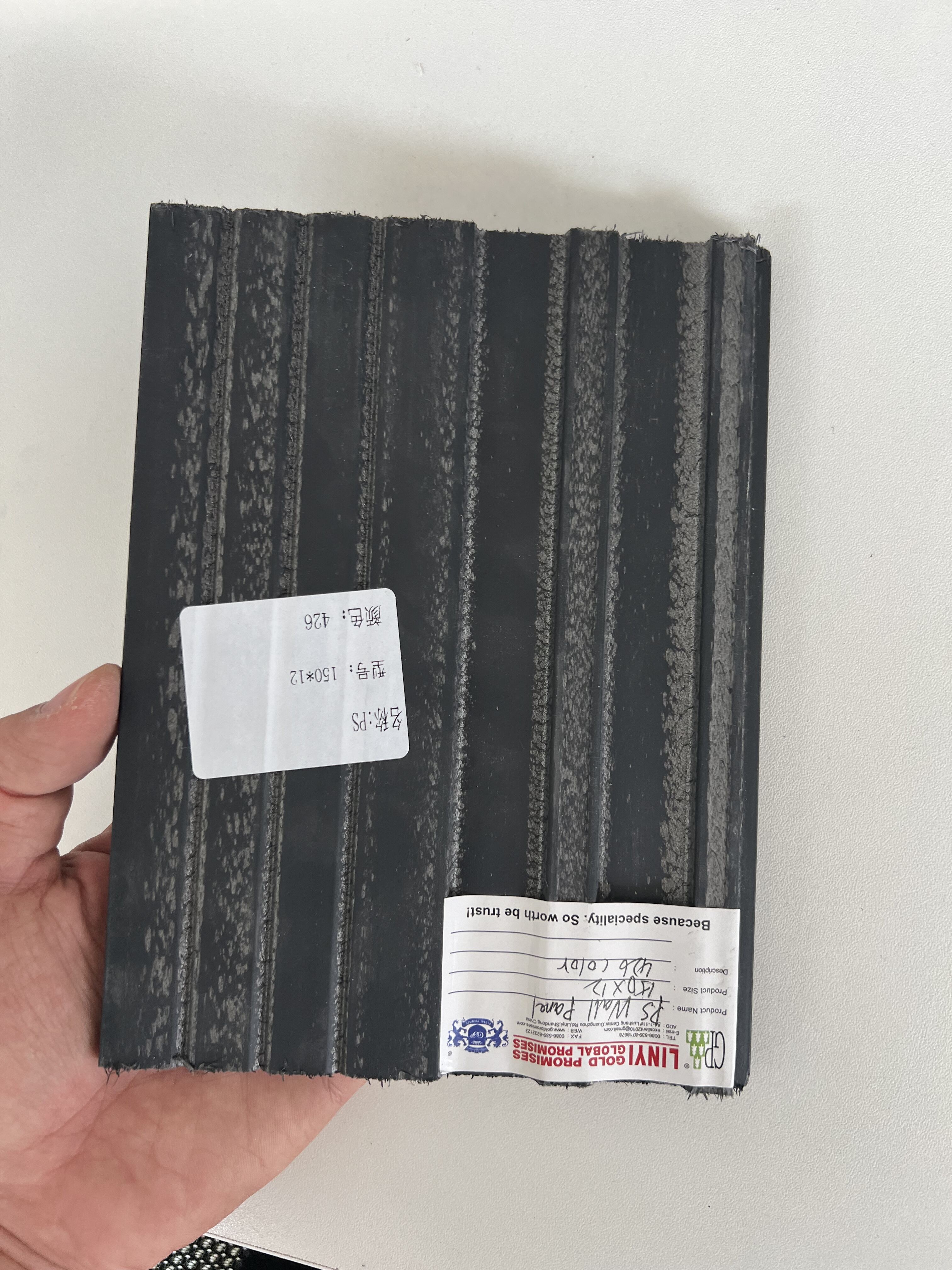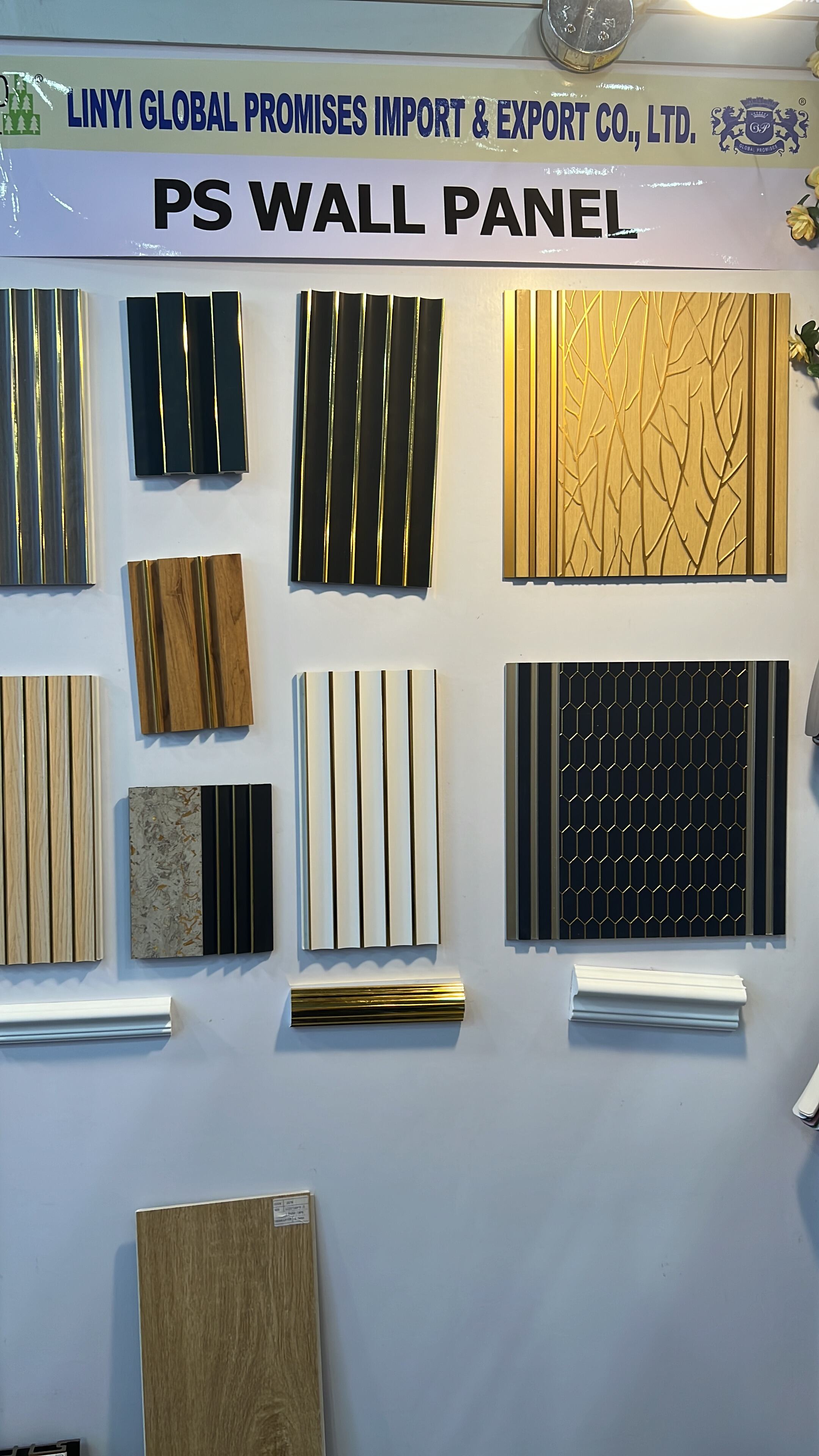

EPS panels, or expanded polystyrene panels, are a cornerstone of modern construction, celebrated for their exceptional thermal insulation, lightweight design, structural versatility, and cost-effectiveness across residential, commercial, and industrial applications. These panels are manufactured by expanding polystyrene beads under heat and pressure to form a rigid, closed-cell foam core, which is then often bonded to protective facings such as cement, fiberglass, metal, or aluminum foil to enhance durability, moisture resistance, and structural performance. The closed-cell structure of EPS is the key to its superior thermal insulation properties, as it traps air within its cavities, minimizing heat transfer through conduction, convection, and radiation. This results in significant energy savings for buildings, reducing heating and cooling costs by up to 40% compared to traditional construction materials. In residential construction, EPS panels are widely used for exterior wall cladding, interior partition walls, roof insulation, floor underlayment, and basement lining. For example, a passive house project could utilize EPS panels to achieve the ultra-high thermal efficiency required by passive design standards, reducing reliance on mechanical heating and cooling systems. Commercially, they are favored in warehouses, factories, cold storage facilities, office buildings, and retail centers. A cold storage warehouse, for instance, depends on EPS panels to maintain consistent low temperatures, as their insulation properties prevent heat infiltration and reduce energy consumption. Beyond thermal performance, EPS panels offer excellent moisture resistance, as the closed-cell foam core does not absorb water, preventing mold growth, rot, and structural damage. This makes them suitable for use in humid climates, coastal areas, and below-grade applications such as basements. The lightweight nature of EPS panels simplifies transportation and installation, reducing labor costs and construction time. They are also easy to cut, shape, and fabricate, allowing for flexibility in design and adaptation to complex architectural features. Fire safety is a critical consideration, and many EPS panels are treated with fire-retardant additives to meet international fire safety standards, ensuring compliance with building codes. Additionally, EPS panels are environmentally friendly, as polystyrene foam is recyclable and has a low carbon footprint compared to alternative insulation materials. In modular construction, EPS panels are particularly valuable due to their quick assembly and consistent quality, enabling faster project completion. Whether used in new construction, retrofitting existing buildings, or as part of green building initiatives, EPS panels deliver a reliable, multifunctional solution that balances energy efficiency, durability, and design flexibility. For detailed technical data, installation guidelines, and product recommendations tailored to your project needs, please contact us.