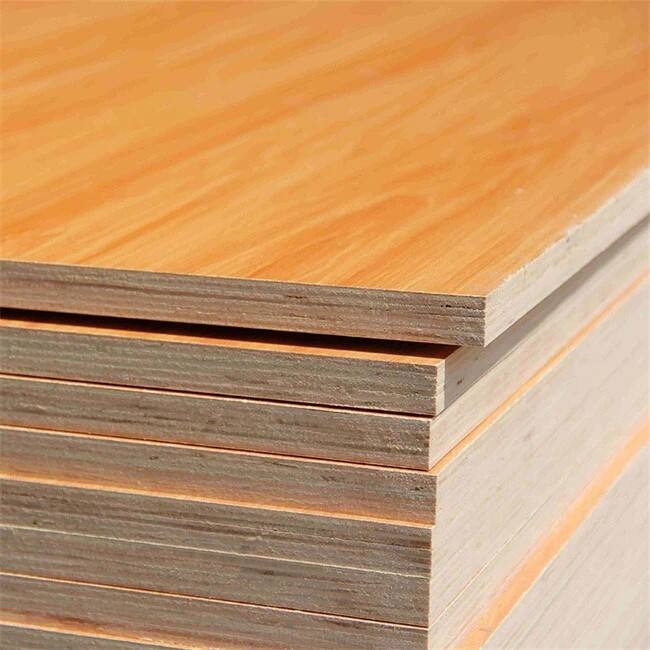
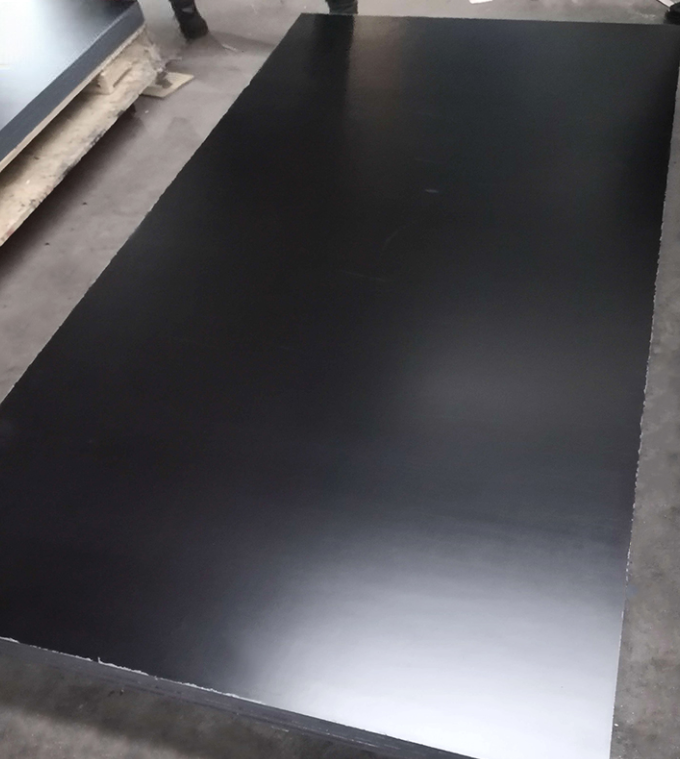
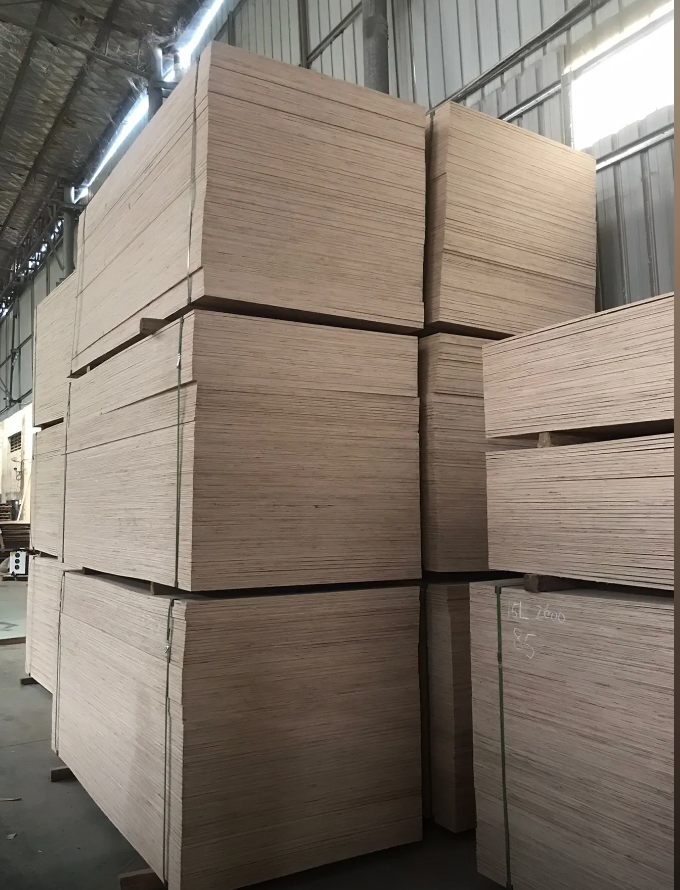
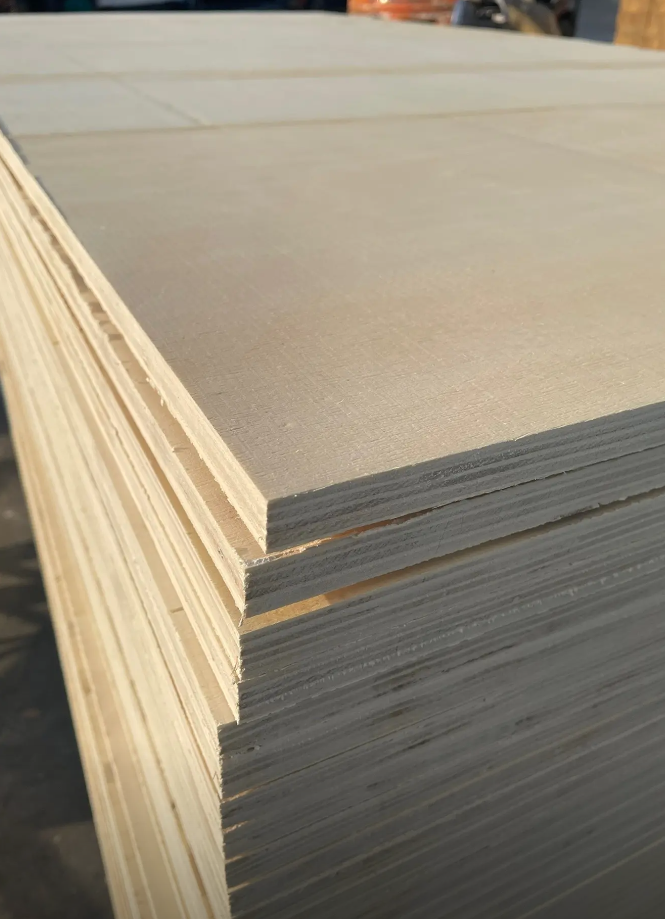
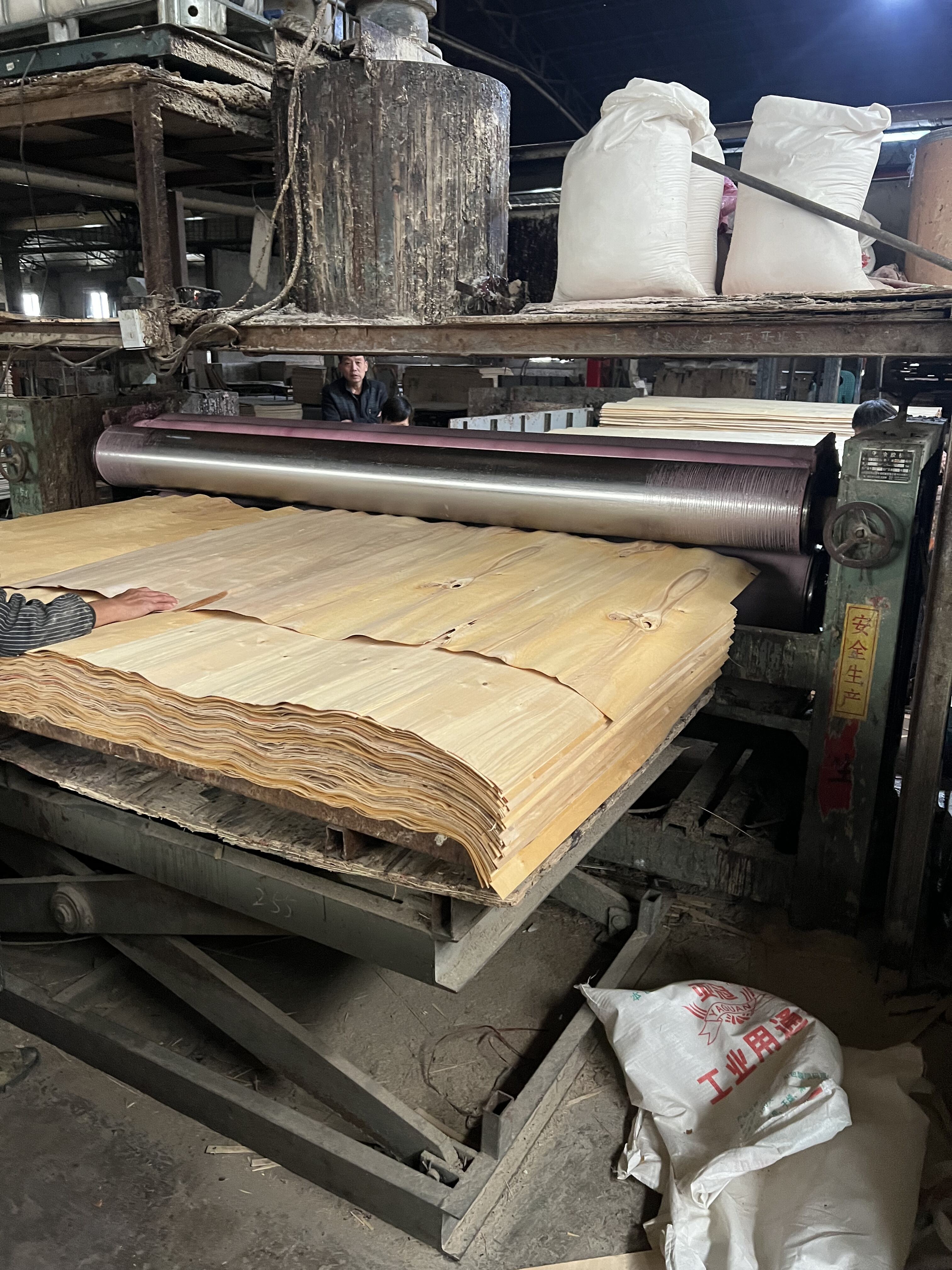
Plywood pallets are essential logistics solutions, valued for their durability, lightweight construction, and cost-effectiveness in transporting goods across industries such as manufacturing, retail, agriculture, and pharmaceuticals. Unlike solid wood pallets, which are prone to warping, cracking, and pest infestation, plywood pallets are manufactured using multiple layers of wood veneers bonded with strong adhesives, creating a stable, uniform structure that withstands heavy loads, frequent handling, and varying environmental conditions. Manufacturers like New Create Plywood Company Limited—based in Bac Giang Province, Vietnam, with expertise in producing high-quality plywood products—supply plywood pallets crafted from premium wood veneers (such as rubberwood and acacia, abundant in Vietnam) and low-formaldehyde adhesives, ensuring compliance with international standards for safety and sustainability. One of the key advantages of plywood pallets is their structural integrity. The cross-laminated veneer construction distributes weight evenly, allowing them to support loads of up to 2,000 kg (static) and 1,000 kg (dynamic), making them suitable for shipping heavy items like machinery, electronics, and bulk agricultural products. For example, a pharmaceutical company in Germany might use plywood pallets to transport temperature-sensitive medications, as the pallets’ stable structure prevents shifting during transit, reducing the risk of product damage. In the food and beverage industry, plywood pallets are preferred for their resistance to moisture and contaminants. A beverage distributor in Brazil could use them to transport cases of soda or beer, as the plywood’s sealed surface (often treated with a water-resistant coating) prevents absorption of spills and moisture, maintaining hygiene and compliance with food safety regulations. Plywood pallets also offer logistical benefits, such as consistent dimensions (compatible with standard forklifts and storage systems) and lightweight design, which reduces transportation costs by minimizing fuel consumption. Unlike solid wood pallets, they do not require heat treatment or fumigation to meet international shipping standards (such as ISPM 15), streamlining the export process and avoiding delays. Additionally, plywood pallets are reusable and recyclable, aligning with sustainable logistics practices. A manufacturing plant in China might reuse plywood pallets for in-plant material handling for several years before recycling them into wood chips for other applications, reducing waste and environmental impact. Manufacturers like New Create Plywood offer customization options for plywood pallets, including varying sizes (to fit specific product dimensions), load capacities (for heavy or light goods), and surface treatments (such as anti-slip coatings or fire-retardant additives). The company’s strict quality control measures, from veneer selection to adhesive bonding, ensure that each plywood pallet meets rigorous performance standards. Whether you need pallets for domestic distribution or international shipping, plywood pallets provide a reliable, efficient solution for protecting and transporting your goods. To inquire about plywood pallet specifications, bulk pricing, and delivery timelines, please contact us.

 EN
EN