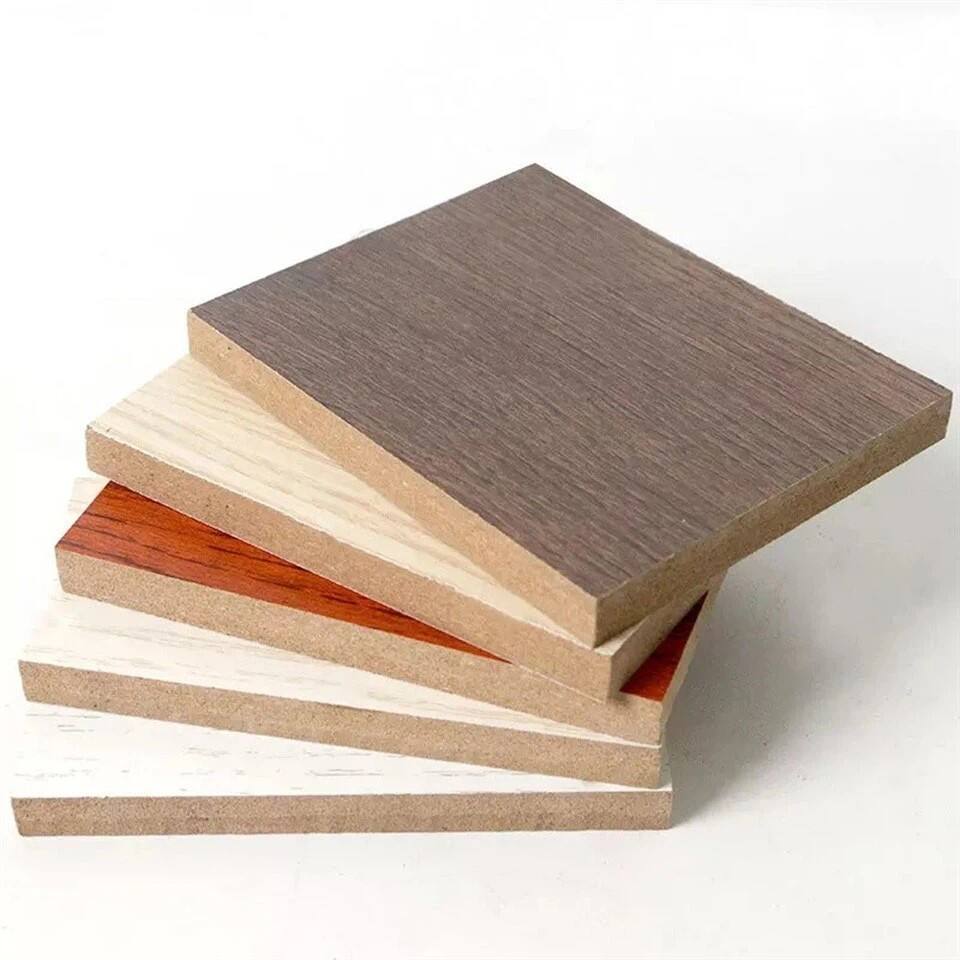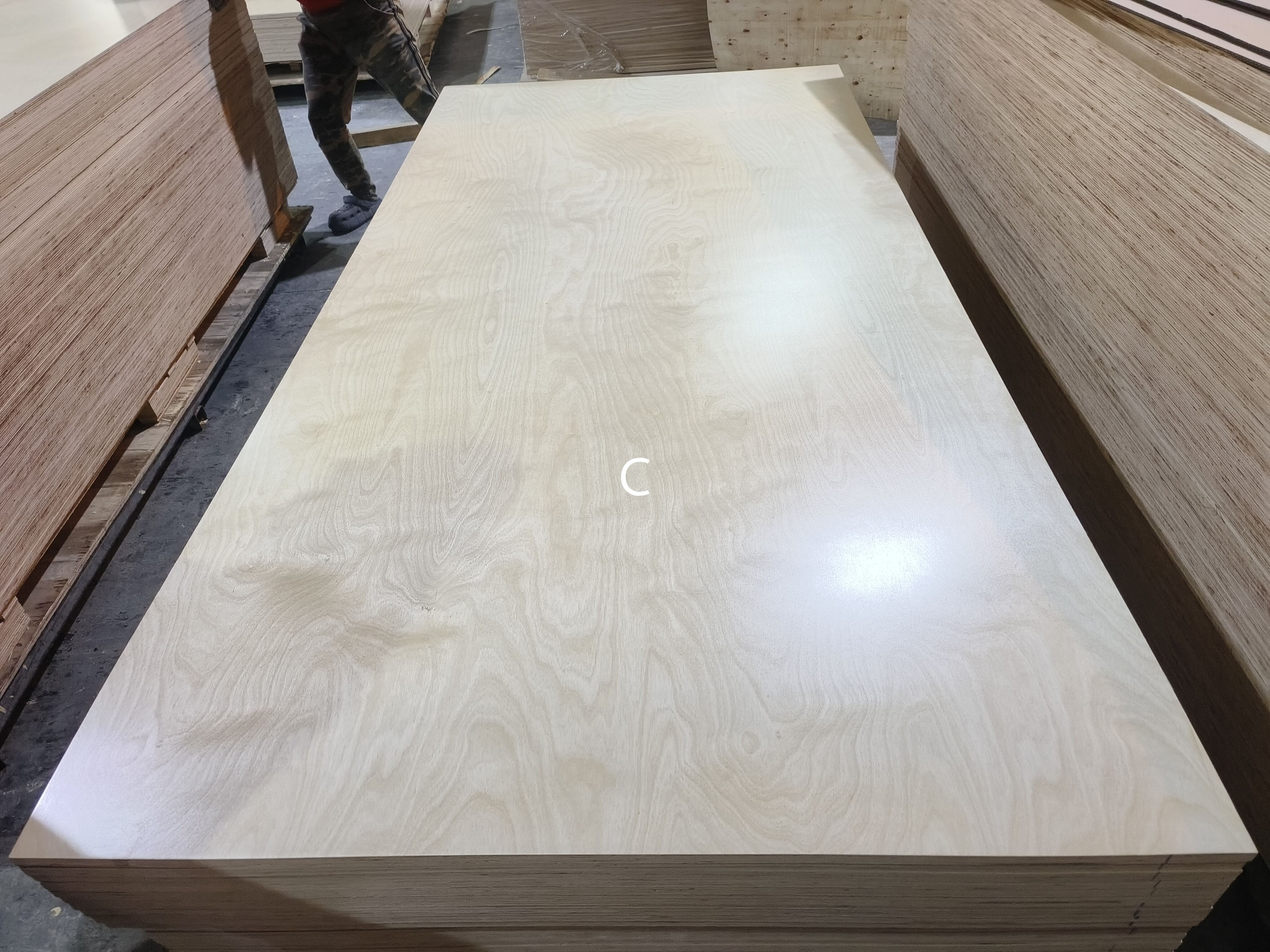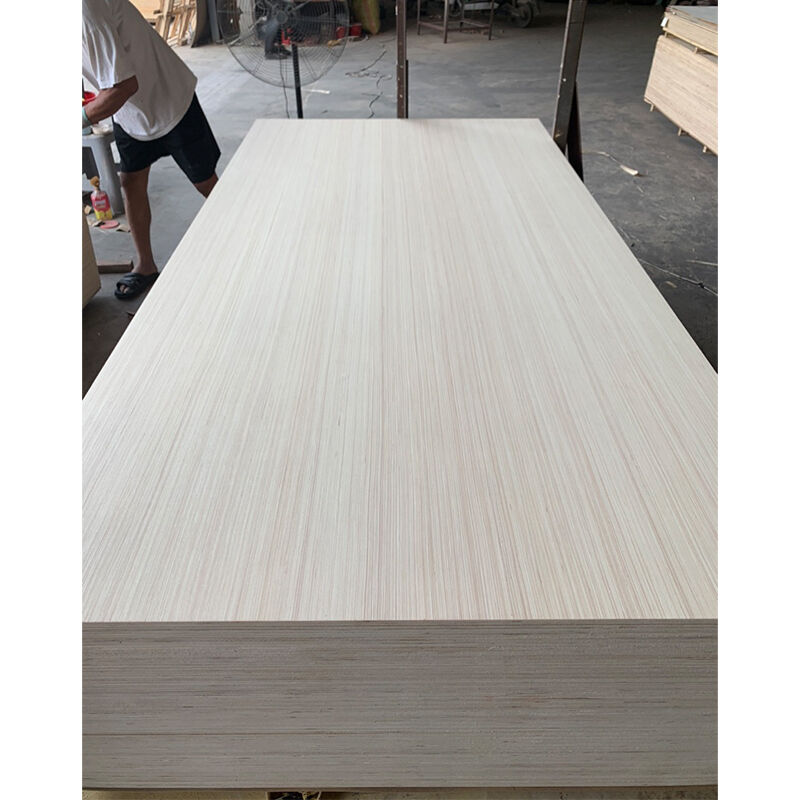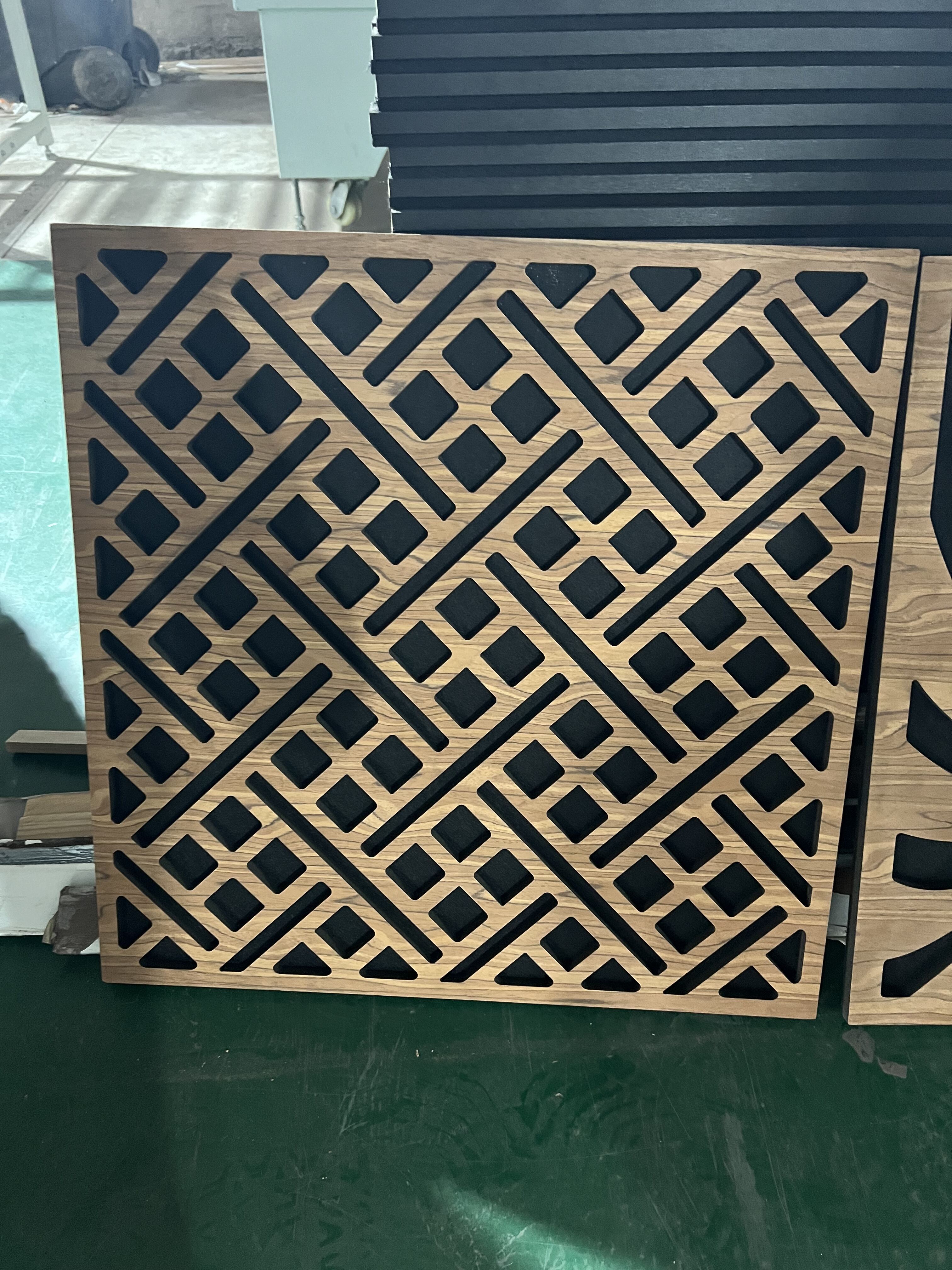

Acoustic foam is a lightweight, open-cell material primarily used for sound absorption, not soundproofing. This distinction is critical: foam absorbs sound waves within a room to reduce echo and reverberation (improving interior acoustics), but it does not significantly block sound from entering or leaving a room (which requires mass, density, and sealing). Acoustic foam, typically made from polyurethane or melamine, works by allowing sound waves to enter its porous structure, where friction converts the energy to heat. It is most effective at higher frequencies. Common forms include wedge, pyramid, and egg crate patterns, which increase surface area for absorption. Its primary applications are in vocal booths, home studios, server rooms, and utility spaces to control reflected noise. For example, lining the walls of a small podcasting closet with foam panels can drastically improve recording clarity by eliminating flutter echo. However, it is generally not suitable as a standalone solution for blocking traffic noise or loud music between apartments. New Create Plywood Company Limited operates in the wood panel sector. While we do not produce acoustic foam, our products often serve complementary roles in comprehensive acoustic builds. For instance, our dense boards can be used to construct the walls of a sound-isolated room, to which foam or other absorbent materials would then be added internally. For projects requiring a complete acoustic solution involving both structural isolation and interior treatment, we can supply the panel materials for the structural components. Please contact us to discuss how our plywood, MDF, or particle boards can form part of your broader acoustic strategy.
ONLINE