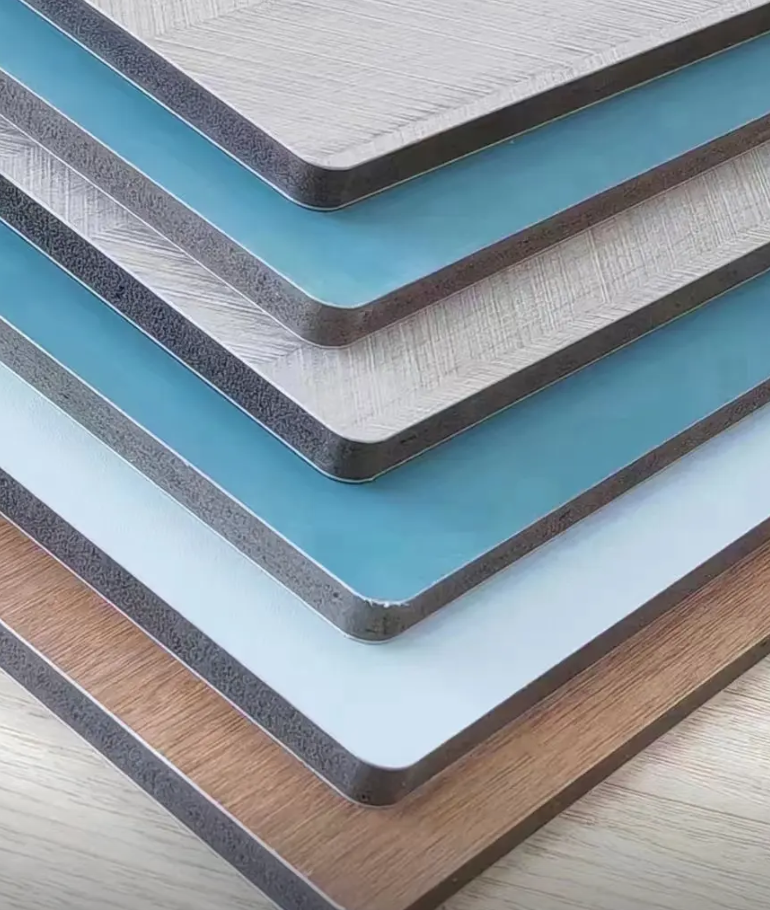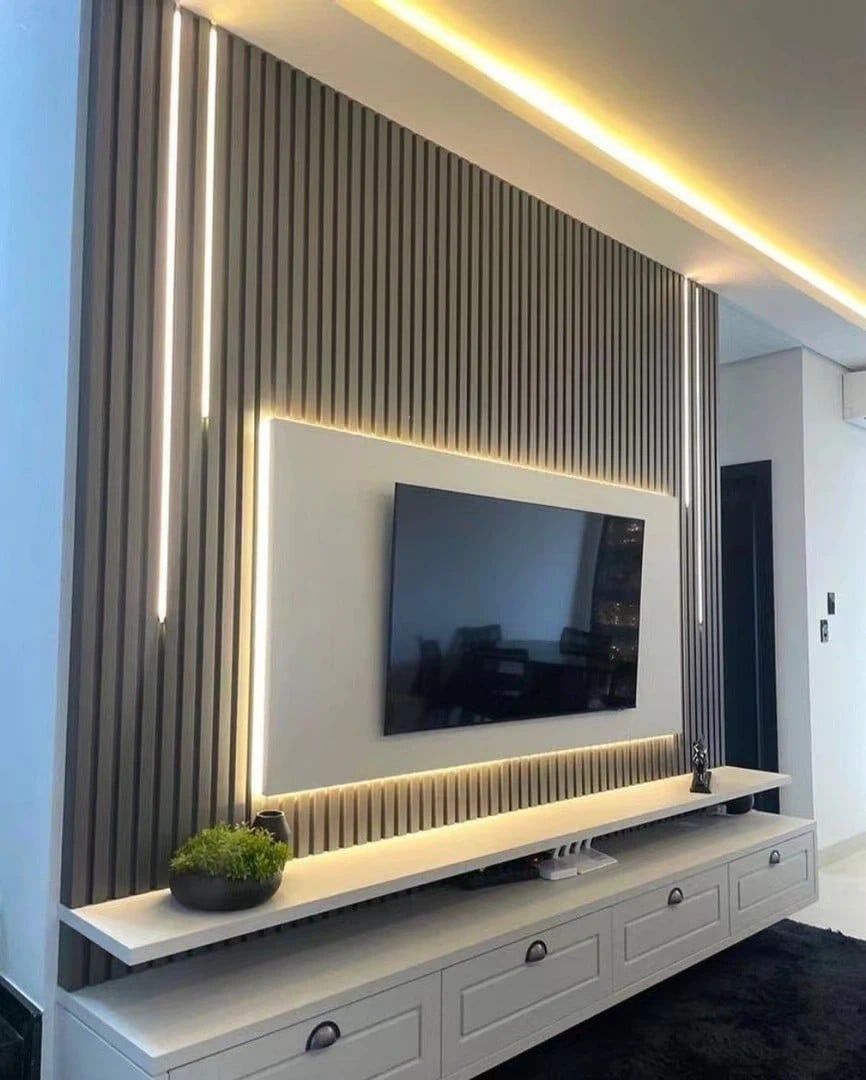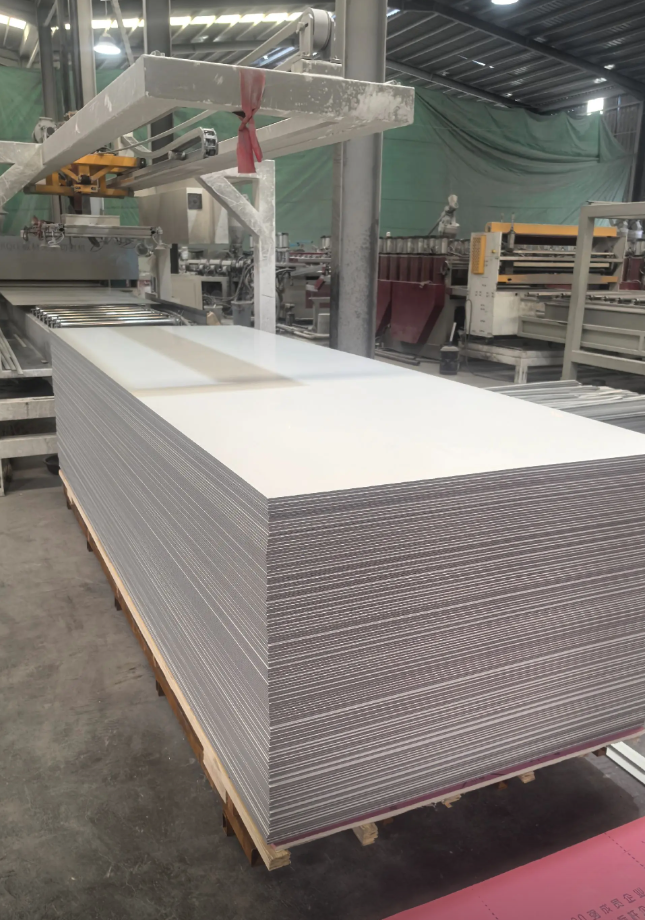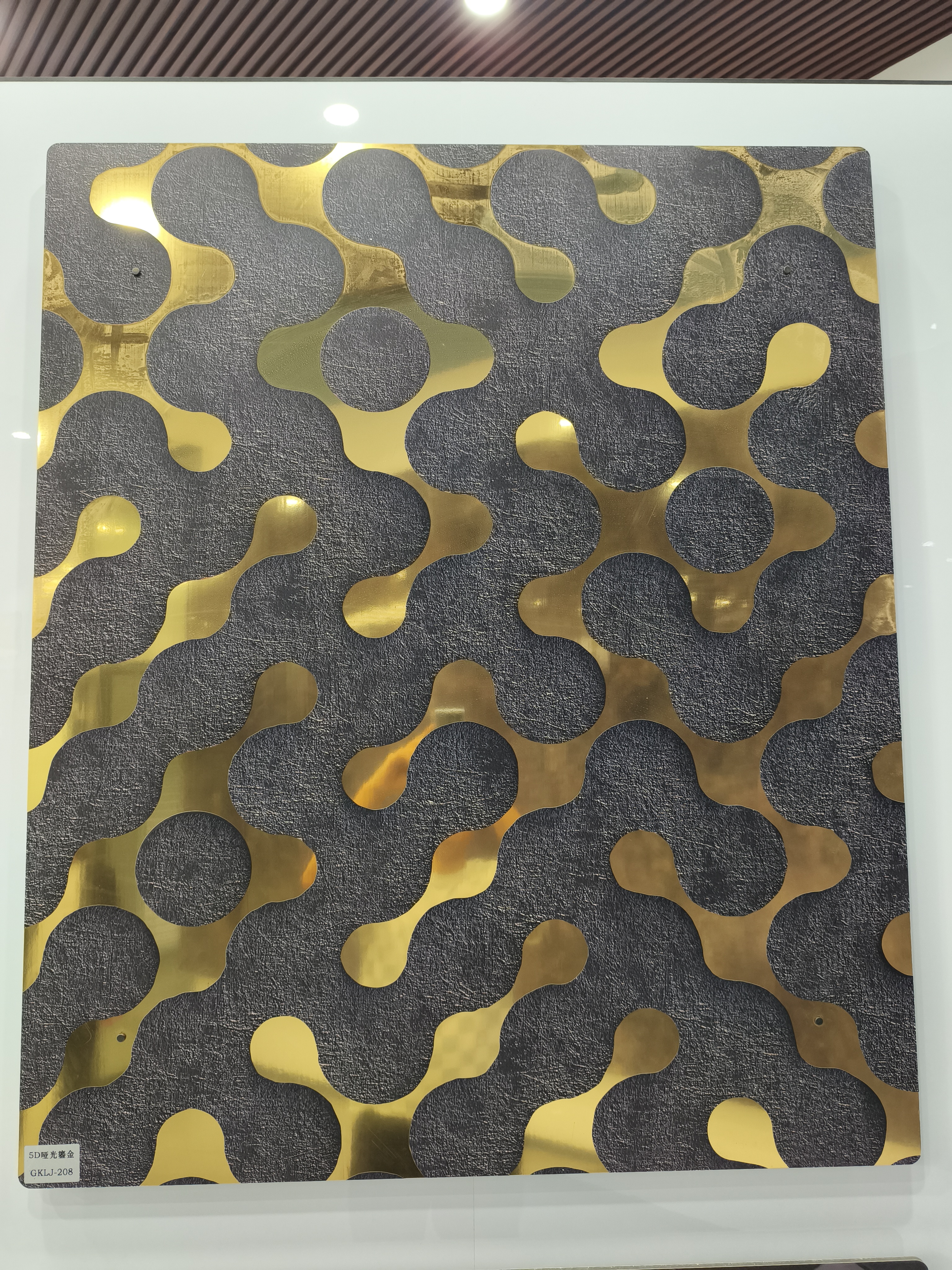
Bamboo carbon, more accurately termed bamboo charcoal, is a solid carbon-rich material obtained from the carbonization of bamboo. It is distinguished from charcoal made from other biomass by the unique structure of bamboo vascular bundles, which can contribute to a final product with a particular pore size distribution. The term "bamboo carbon" is sometimes used in contexts highlighting its functional, non-fuel applications, such as in composites for electronics (e.g., as a conductive additive) or advanced materials science. In the building and interior design industry, "bamboo carbon" often refers to composite panels where bamboo charcoal powder or fibers are a key component. These panels, such as Bamboo Charcoal Boards, combine the adsorbent and regulating properties of charcoal with the structural form of a panel. They are marketed for interior wall and ceiling applications where benefits like formaldehyde removal, odor control, humidity balancing, and additional thermal insulation are desired. A developer focusing on healthy living spaces might specify bamboo carbon composite panels for the interior walls of apartments to differentiate their project with a material that actively contributes to occupant well-being. New Create Plywood Company Limited monitors advancements in composite material technology. While our current production centers on wood-based density boards and plywood, the development of functional composites like bamboo carbon panels is a relevant industry trend. For discussions about innovative interior materials and potential collaborations, we welcome you to get in touch with our research and development liaison team.