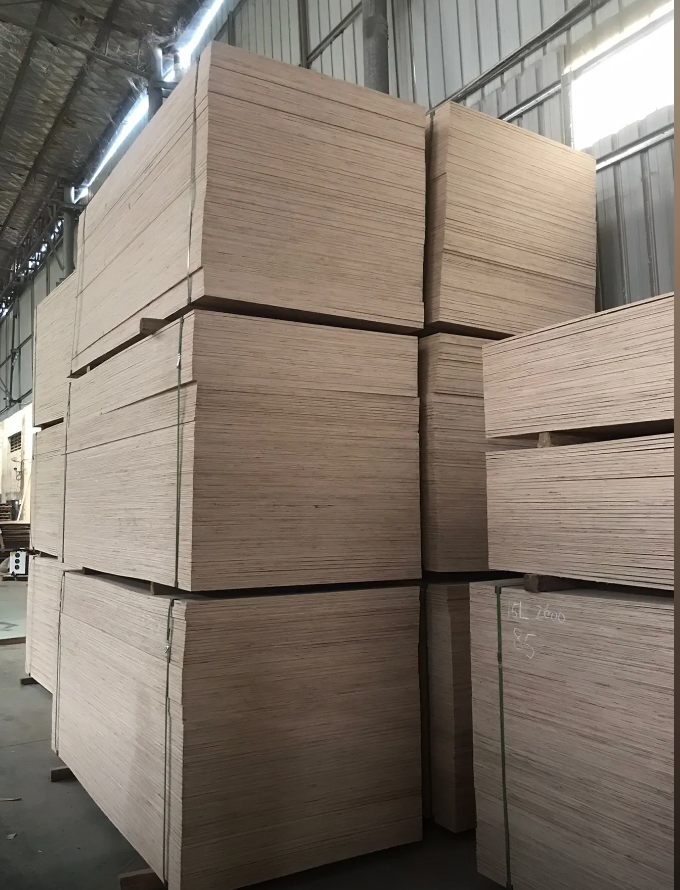
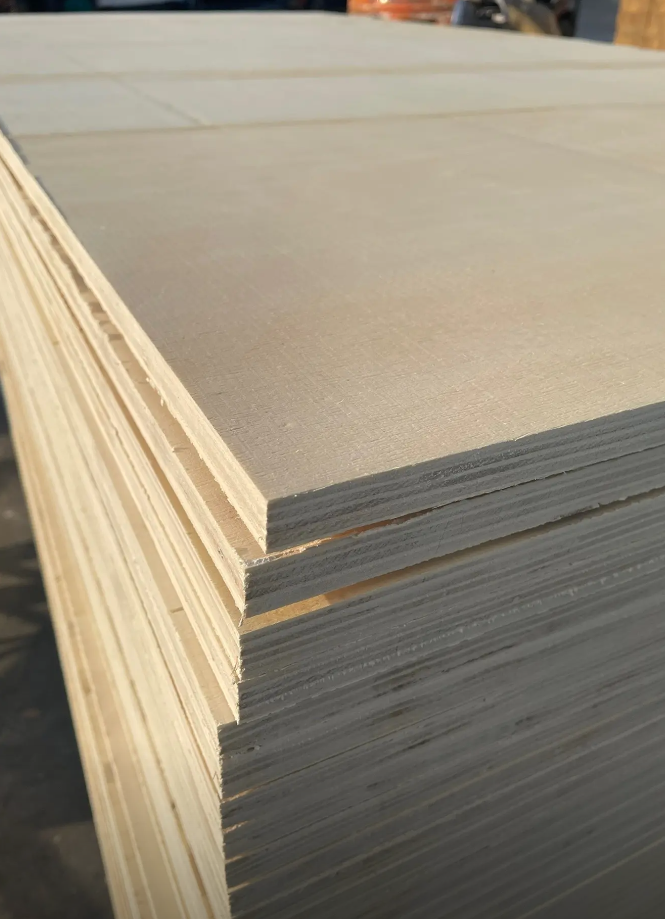
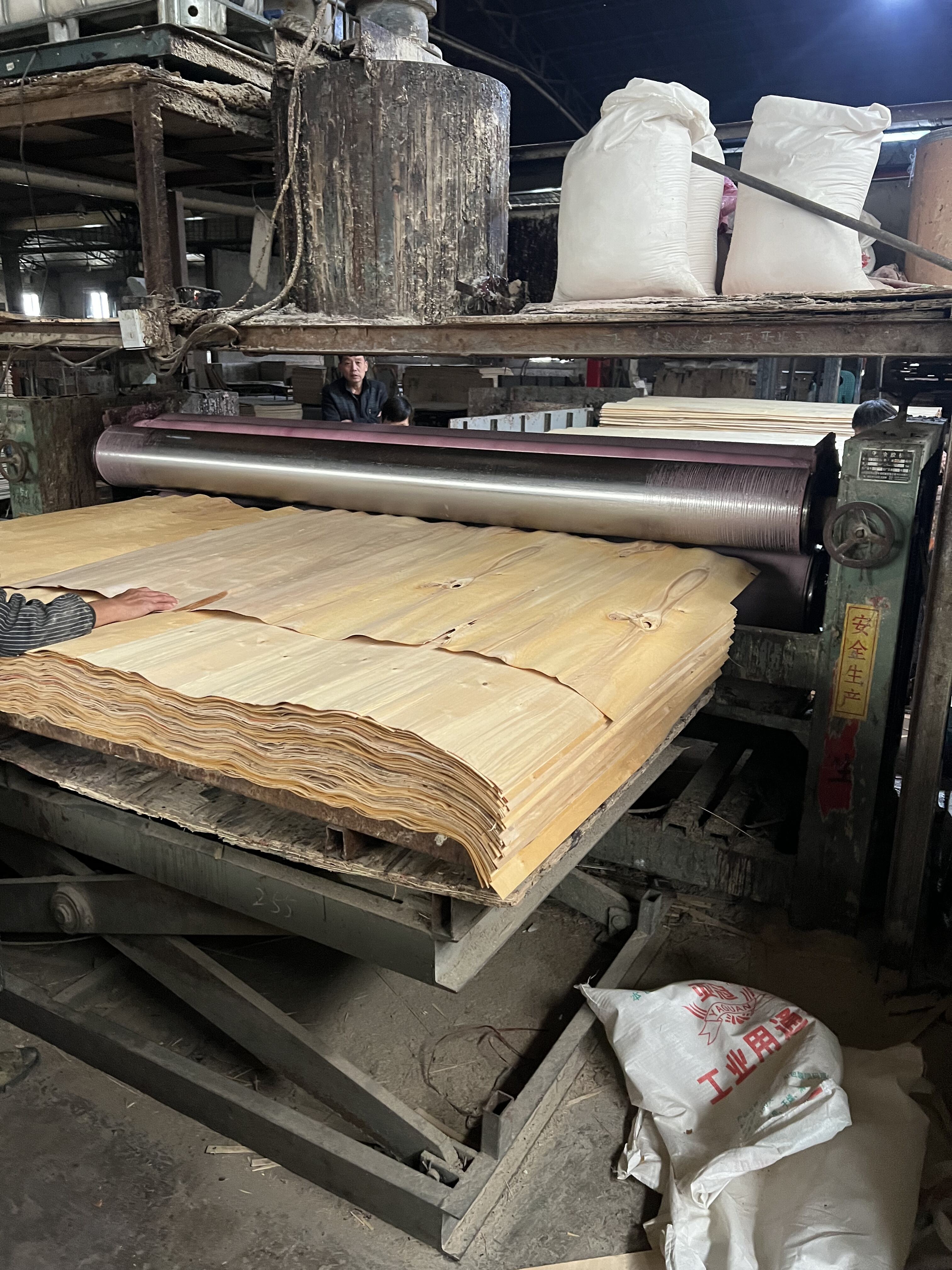
Plywood price per square foot is a critical metric for buyers evaluating material costs for construction, furniture manufacturing, and interior design projects, as it allows for easy comparison across different panel sizes, thicknesses, and grades. This price varies widely based on several factors, including wood species, thickness, quality grade, certifications, surface treatments, and market conditions, all of which influence the material’s performance and suitability for specific applications. Manufacturers like New Create Plywood Company Limited—based in Bac Giang Province, Vietnam, with a range of plywood products—offer transparent pricing per square foot, reflecting the quality of materials and manufacturing standards. Wood species is a primary factor affecting plywood price per sq ft. Hardwood veneers (such as acacia or birch) are more expensive than softwood veneers (such as pine), as hardwoods offer greater strength and durability. For example, acacia plywood might cost $$0.80$$1.20 per sq ft, while pine plywood could range from $$0.40$$0.70 per sq ft. This difference makes softwood plywood ideal for budget-sensitive projects like temporary structures, while hardwood plywood is preferred for high-performance applications like furniture or construction. Thickness also impacts price—thicker plywood (e.g., 30mm) has a higher price per sq ft than thinner panels (e.g., 2mm), due to increased material usage. A 18mm thick plywood panel might cost $$0.90$$1.10 per sq ft, while a 6mm panel could range from $$0.30$$0.50 per sq ft. Thicker plywood is suitable for load-bearing applications like floor sheathing, while thinner panels are used for decorative purposes or underlayment. Quality grade plays a role too—premium grade plywood (with minimal defects, smooth surfaces, and consistent thickness) has a higher price per sq ft than utility grade (with visible knots or splits). Premium grade plywood might cost $$1.00$$1.50 per sq ft, making it ideal for visible applications like furniture or interior cladding, while utility grade ($$0.50$$0.80 per sq ft) is used for structural purposes where appearance is not a priority. Certifications such as CARB Phase 2 or EU CPR add to the price per sq ft, as they require additional testing and quality control. Certified plywood might cost $$0.10$$0.30 more per sq ft than non-certified alternatives but ensures compliance with global safety and environmental standards. Surface treatments like film coating or fire retardant additives also increase price—film-coated plywood could cost $$0.20$$0.40 more per sq ft, offering enhanced moisture resistance for bathrooms or kitchens. Market conditions, such as global wood supply and demand, also affect plywood price per sq ft. For example, a shortage of veneers due to natural disasters might increase prices temporarily, while bulk orders can lead to discounts. To get an accurate plywood price per sq ft tailored to your project’s specific needs (wood species, thickness, grade, and certifications), please contact us directly. Our team will provide a detailed breakdown of costs, helping you optimize your material budget without compromising on quality.
 EN
EN