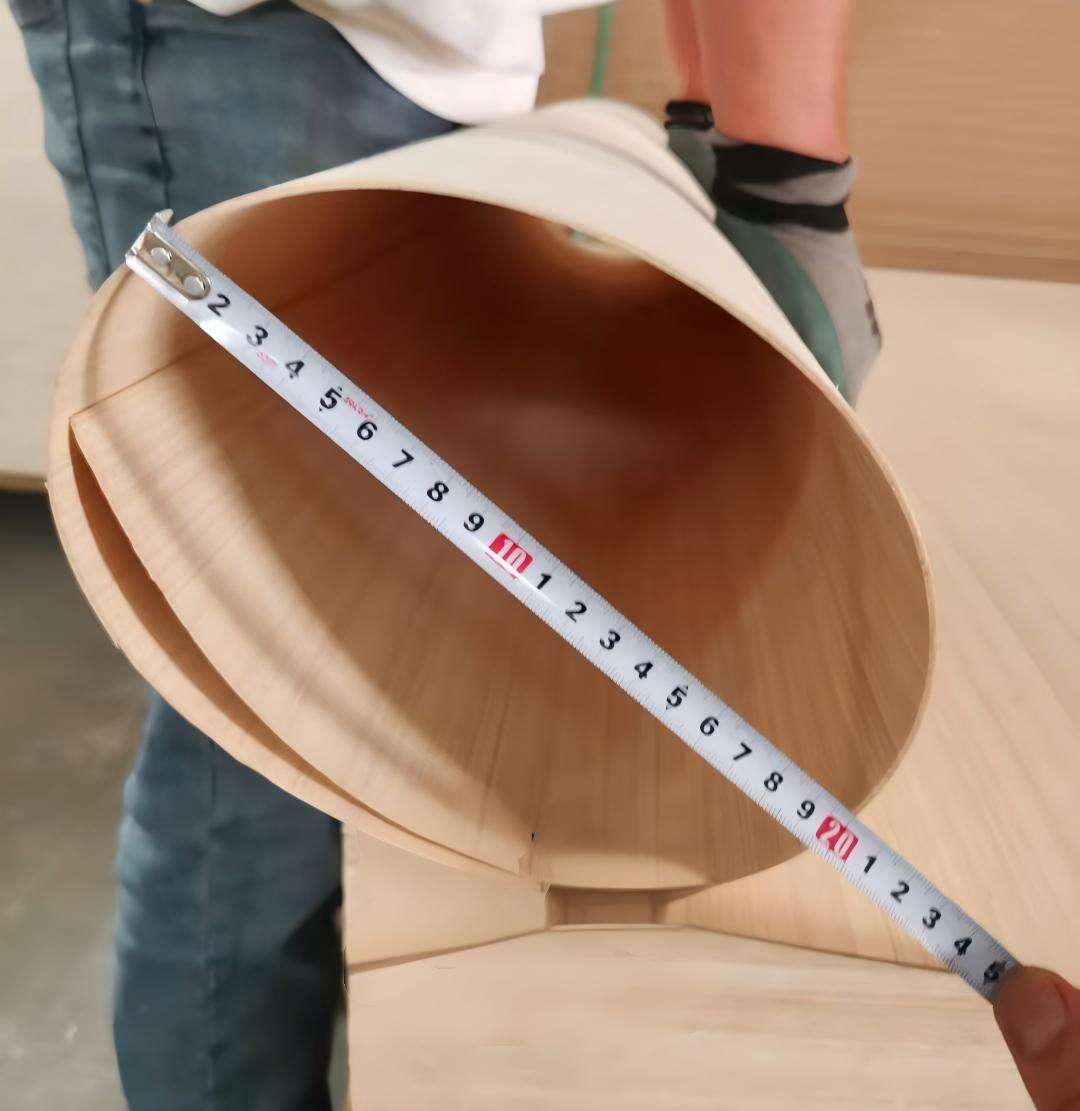
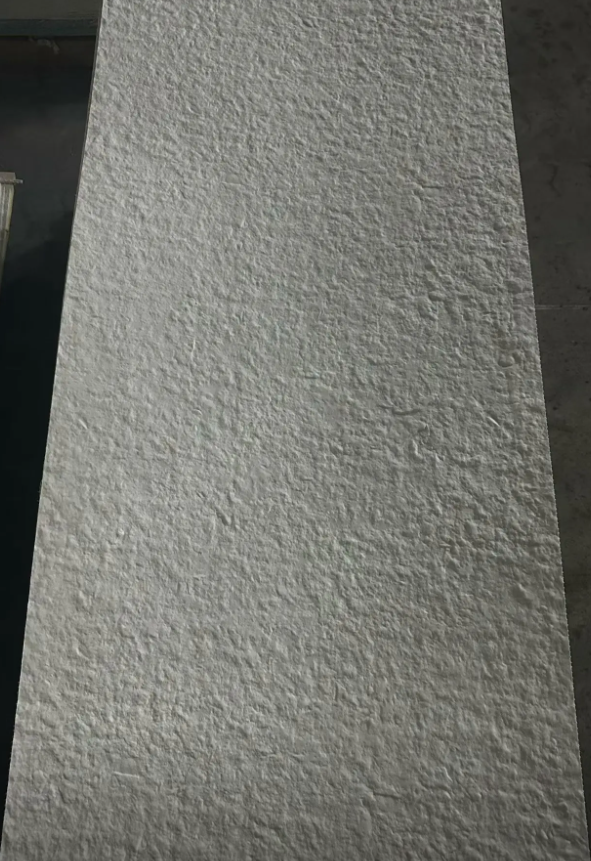
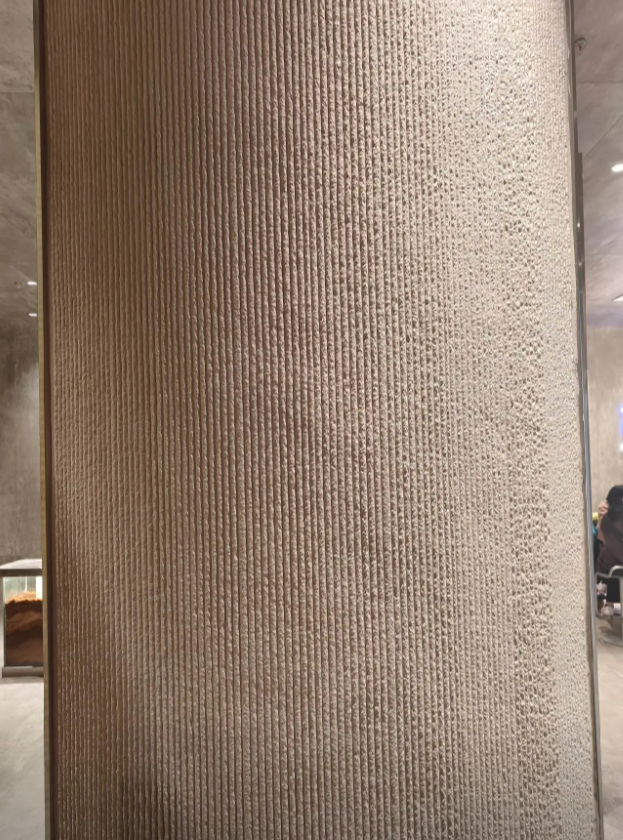
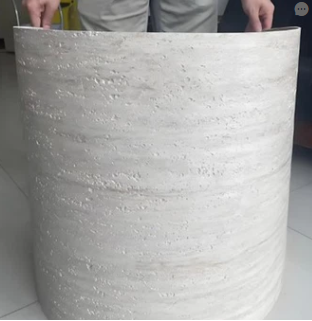
Soft porcelain, also referred to as flexible porcelain or porcelain composite cladding, is an innovative building material that redefines the possibilities of architectural design by combining the timeless beauty and durability of traditional porcelain with the flexibility and ease of installation of modern synthetic materials. This cutting-edge product is manufactured using a proprietary blend of natural clay, kaolin, feldspar, and organic binders, processed through a low-temperature firing technique that results in a material that is lightweight, flexible, and resistant to cracking, chipping, and fading. Unlike conventional rigid porcelain tiles, soft porcelain can be bent, curved, and shaped to conform to irregular surfaces, curved walls, columns, and complex architectural details, making it a versatile choice for both interior and exterior applications. In exterior cladding applications, soft porcelain excels as a facade material, offering exceptional resistance to harsh weather conditions such as UV radiation, heavy rainfall, strong winds, and temperature fluctuations. Its flexibility allows it to accommodate the natural movement of buildings, reducing the risk of cracking due to thermal expansion or structural shifts. For example, a contemporary museum with curved exterior walls could utilize soft porcelain cladding to achieve a seamless, monolithic appearance that traditional porcelain tiles cannot match, while the material’s durability ensures long-term performance in high-traffic public spaces. In interior settings, soft porcelain is widely used for wall cladding, ceiling treatments, fireplace surrounds, kitchen backsplashes, and bathroom walls. A luxury boutique hotel might feature soft porcelain on its lobby walls and guest room bathrooms, creating a sophisticated, high-end aesthetic that is easy to clean and maintain, even in high-traffic areas. Soft porcelain replicates the appearance of natural materials such as marble, granite, wood, stone, and metal through advanced digital printing technology, offering an extensive range of designs, colors, and textures to suit any design vision. The material is also highly durable, with resistance to moisture, stains, scratches, and chemical damage, making it suitable for both residential and commercial use. Installation is simplified due to its lightweight nature (up to 70% lighter than traditional porcelain tiles) and flexibility; it can be installed using adhesive bonding, mechanical fastening, or interlocking systems, reducing labor costs and construction time. Additionally, soft porcelain is environmentally sustainable, as it uses natural raw materials and requires less energy during production than traditional porcelain. It also contributes to improved building energy efficiency by providing thermal insulation properties, reducing heat transfer through walls and facades. Whether used in new construction, renovation projects, or custom design applications, soft porcelain offers a perfect balance of form and function, catering to architects, designers, contractors, and property owners seeking innovative, durable, and aesthetically pleasing building solutions. For detailed product specifications, customization options, and application guidance, please contact us.

 EN
EN