
 EN
EN
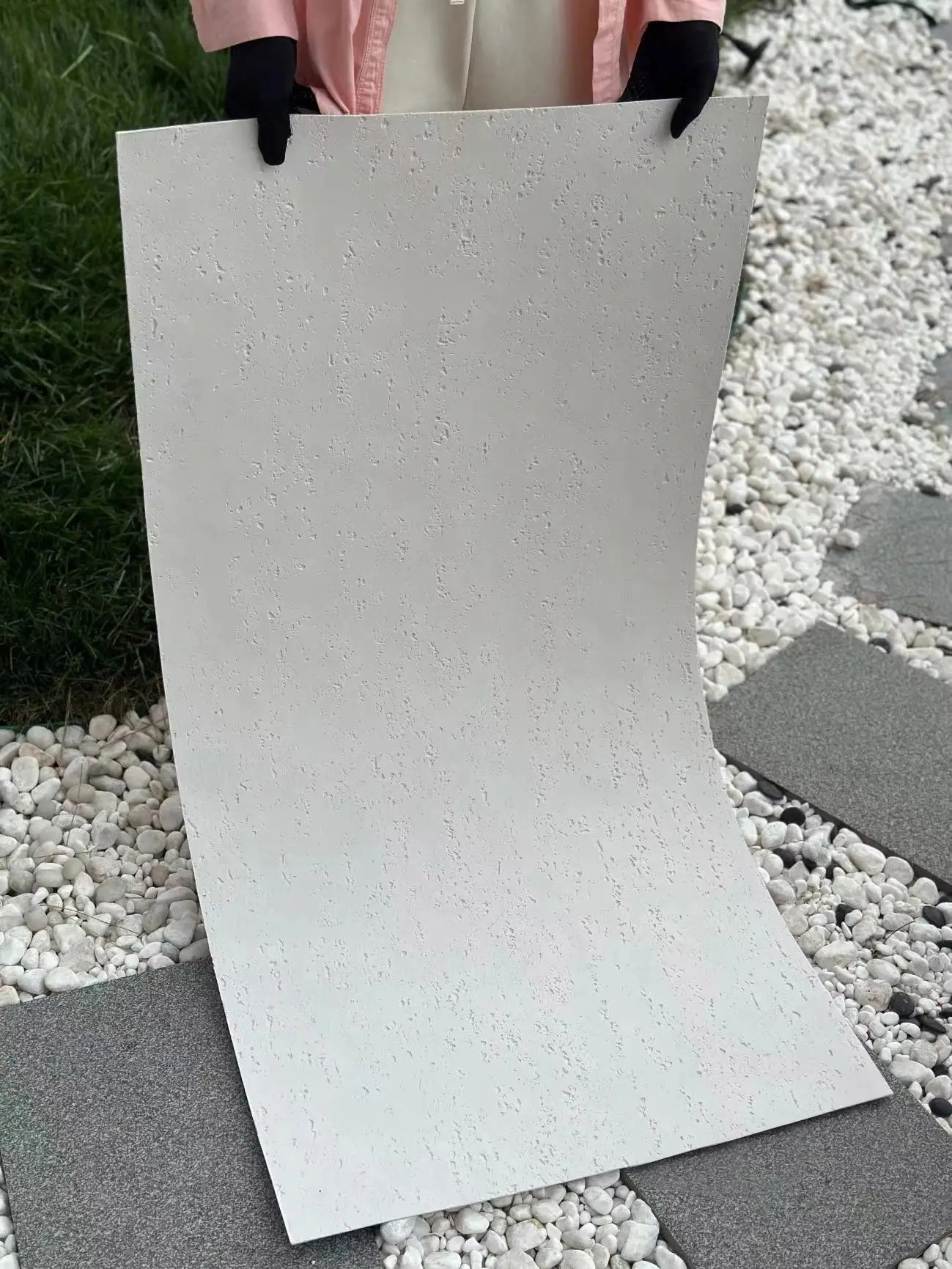
How Soft Porcelain Cladding Tiles Create Flexible and Lightweight Exterior Facades
Renovating commercial high-rise towers, urban retail complexes, and modern residential developments frequently brings architects and facility managers to a strategic crossroads when evaluating the broader advantages of integrating a reliable soft porcelain material for striking exterior envelope upgrades. Across years of hands-on architectural consultation and large-scale facade installations, observing how lightweight modified clay composite tiles behave under extreme weather conditions reveals distinct performance advantages for structural safety and seismic resilience. Implementing an advanced soft porcelain solution requires a comprehensive examination of molecular flexibility, weight load reduction, weather resistance standards, and long-term surface stability. Understanding these core performance characteristics ensures that property developers and engineering directors select optimal material configurations without encountering unexpected structural strain or aesthetic degradation during intense building utilization across competitive real estate markets.
Modified Clay Mechanics and Seismic Load Reduction
The foundational relationship between exterior facade longevity and structural integrity originates directly from core composition and panel weight. Standard ceramic tiles and heavy stone cladding impose immense dead loads on building superstructures, requiring extensive steel framing and frequent expansion joints to prevent cracking during seismic activity. Deploying a versatile soft porcelain product allows exterior surfaces to maintain absolute aesthetic authenticity through a sophisticated modified clay matrix that combines natural inorganic minerals with flexible polymer bonds. Material engineers evaluate these structural metrics through load-bearing calculations and tensile elongation assays to establish reliable mounting capacities for facades installed in earthquake-prone regions and towering commercial structures.
Weather Resistance and Thermal Stability in Dynamic Climates
When evaluating exterior construction performance during variable environmental conditions, striking the right balance between decorative appeal and thermal stability plays a decisive role in building success. Traditional ceramic materials are notoriously rigid and vulnerable to freeze-thaw cycles, which can cause micro-cracking and eventual tile detachment. A well-designed soft porcelain installation incorporates a breathable micro-pore structure and UV-resistant surface finishes to prevent moisture infiltration and thermal shock damage. Exterior construction specialists frequently emphasize that long-term building envelope health depends heavily on material elasticity, allowing diverse architectural surfaces exposed to intense sunlight or freezing winters to remain structurally sound and visually pristine.
Surface Durability and Aesthetic Versatility for Exterior Envelopes
When urban aesthetics and heavy environmental exposure govern institutional goals, facade preservation demands a realistic shift from fragile cement coatings to robust flexible cladding. Busy metropolitan streets and industrial districts subject exterior walls to constant air pollution, wind-driven rain, and abrasive dust particles. Integrating a robust soft porcelain system equipped with self-cleaning nanotech coatings and high-definition texture matrices enables properties to resist staining, fading, and surface degradation. This advanced surface resilience preserves original stone, wood, or leather visual reliefs without requiring intensive chemical washing or frequent panel replacements over extended operating decades.
Precision Manufacturing and Global Supply Chain Execution
From a broader architectural perspective, reliable material management directly influences project transparency, structural trust, and long-term budgetary stewardship. Modern building projects face mounting pressure to deliver sustainable, eco-friendly exteriors while maintaining strict compliance with fire safety and low volatile organic compound emission mandates. Effective cladding fabrication begins during precision manufacturing workflows—such as continuous low-temperature microwave curing, automated texture pressing, and strict batch color matching—by optimizing raw material ratios to ensure maximum product uniformity. Global Promises leverages extensive industry expertise to assist international partners in procuring dependable architectural configurations that align seamlessly with their specific environmental targets and engineering requirements.
Strategic Outlook on Exterior Envelope Transformation
Choosing appropriate construction materials requires a balanced assessment of technical performance, visual versatility, and lifecycle support across building sectors. By partnering with an experienced manufacturer that maintains rigorous quality control and deep technical knowledge, developers can eliminate guesswork from material procurement. Global Promises operates as an established industry specialist, bridging advanced polymer-clay engineering with comprehensive export logistics and customer support. For property owners seeking operational consistency, clean architectural lines, and uncompromised structural reliability, collaborating with a trusted provider ensures enduring success across modern commercial and residential environments.
Table of Contents
- How Soft Porcelain Cladding Tiles Create Flexible and Lightweight Exterior Facades
- Modified Clay Mechanics and Seismic Load Reduction
- Weather Resistance and Thermal Stability in Dynamic Climates
- Surface Durability and Aesthetic Versatility for Exterior Envelopes
- Precision Manufacturing and Global Supply Chain Execution
- Strategic Outlook on Exterior Envelope Transformation