
 EN
How Soft Porcelain Supports Diversified Exterior Decoration Requirements
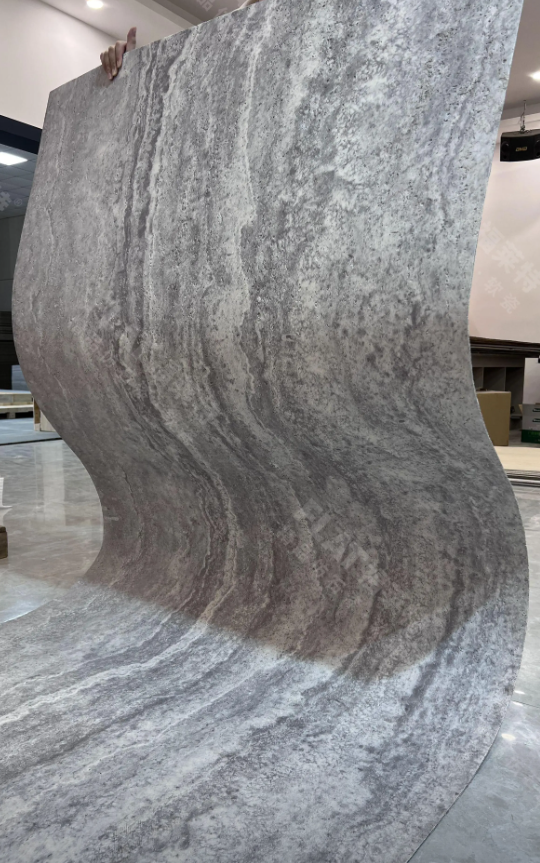
Modern architectural design increasingly demands exterior cladding solutions that unite bold visual aesthetics, structural safety, environmental sustainability, and installation versatility. Traditional exterior wall materials like heavy granite slabs, thick ceramic tiles, and natural marble present notable engineering challenges, including excessive dead weight, high transportation costs, and elevated risks of tile detachment on high-rise structures. Flexible architectural cladding, engineered as soft porcelain, has emerged as a groundbreaking alternative that satisfies complex architectural mandates. Made from modified mineral powder combined with plant cellulose and specialized polymer cross-linking technology, soft porcelain delivers the visual richness of natural stone while offering remarkable flexibility and lightness. Specifying soft porcelain for commercial facades, high-rise residential towers, hotel exteriors, and civic landmarks allows architects to realize curved shapes, intricate three-dimensional textures, and varied color palettes without exceeding structural load limits. Evaluating its physical flexibility, texture replication, structural safety benefits, and supply chain verification explains why soft porcelain is redefining contemporary exterior building envelopes.
Technical Composition and Physical Flexibility of Soft Porcelain Cladding
The defining functional advantage of soft porcelain lies in its unique composite formulation and physical elasticity. Unlike rigid ceramic cladding fired at extreme temperatures, soft porcelain uses natural colored stone powder and inorganic mineral aggregates bound by eco-friendly polymers and shaped through low-temperature micro-molding. This process creates a remarkably thin cladding system, typically between 2mm and 4mm in thickness, with a dead weight of only 3 to 5 kilograms per square meter. The inherent flexibility of soft porcelain enables it to bend smoothly around curved wall surfaces, circular columns, arched doorways, and non-standard geometric facades without cracking or requiring pre-cast curved molds. Furthermore, high-grade soft porcelain exhibits superior freeze-thaw resistance, low water absorption, and high impact strength, ensuring long-term structural integrity when exposed to extreme thermal cycling and weathering.
Replicating Natural Textures for Diverse Architectural Aesthetics
Achieving visual diversity across varied architectural themes requires wall materials capable of reproducing complex natural surface details. Modern manufacturing technologies allow soft porcelain to replicate a wide spectrum of natural textures, including travertine, slate, split-face granite, weathered timber, textured leather, and industrial exposed concrete. Through high-precision 3D surface scanning and natural mineral pigment application, soft porcelain achieves authentic depth and tactile variation while eliminating color inconsistencies common to natural quarrying. Architects designing multi-use commercial complexes can blend warm timber-style soft porcelain panels on lower pedestrian podiums with sleek granite-texture soft porcelain cladding on upper tower levels, establishing spatial harmony. This design versatility gives project directors complete creative freedom to fulfill contemporary, classic, or regional architectural aesthetics without increasing structural loads.
Enhancing Structural Safety and Reducing Installation Complexity
Structural safety on high-rise building facades is a critical priority for structural engineers and municipal building inspectors. Traditional stone cladding systems require heavy steel mounting frames, anchors, and deep wall penetrations, which add substantial weight and create thermal bridging risks. By contrast, lightweight soft porcelain adheres directly to exterior substrate layers—including concrete walls, cement mortar, and EPS or XPS thermal insulation systems—using specialized flexible polymer adhesives. Eliminating heavy metal dry-hanging systems drastically reduces dead load strain on building foundations, making soft porcelain an ideal choice for seismic zones and tall structures. Additionally, the lightweight nature of soft porcelain lowers transportation carbon emissions, simplifies job-site handling, and speeds up installation schedules, contributing to overall project cost savings.
Meeting Global Environmental Safety Standards and Quality Sourcing
Specifying exterior materials for commercial and public infrastructure projects requires verifying fire retardancy, non-toxic manufacturing, and low-VOC emission credentials. Premium soft porcelain cladding achieves Class A fire safety ratings, demonstrating excellent flame retardancy and zero toxic smoke release during fire exposure. Because soft porcelain production utilizes low-temperature manufacturing and recycled natural mineral powders, it significantly reduces embodied carbon footprints compared to traditional glass, aluminum, or kiln-fired ceramic tiles. To ensure consistent product quality, UV anti-aging performance, and color stability across large order batches, procurement managers must partner with verified supply chain platforms like
Table of Contents
- How Soft Porcelain Supports Diversified Exterior Decoration Requirements
- Technical Composition and Physical Flexibility of Soft Porcelain Cladding
- Replicating Natural Textures for Diverse Architectural Aesthetics
- Enhancing Structural Safety and Reducing Installation Complexity
- Meeting Global Environmental Safety Standards and Quality Sourcing