
 EN
EN
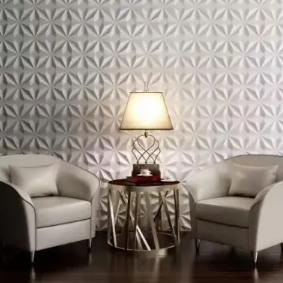
Fire Safety Compliance: Meeting Non-Negotiable Code Requirements for PVC Wall Panels
Decoding Class 1 Fire Rating and Why It's Mandatory in Egress Corridors
For egress corridors, Class 1 fire rated PVC wall panels are pretty much mandatory when it comes to life safety requirements outlined in IBC Chapter 10. The Class 1 rating means meeting ASTM E84 standards which basically restricts how fast flames can spread (needs to be 25 or below on the Flame Spread Index) and limits smoke production to no more than 450 according to the Smoke Developed Index. These numbers matter because they slow down how quickly fire spreads through exits while keeping people able to see where they're going during evacuations. Why does this matter so much? Well, statistics from NFPA show that about seven out of ten deaths in fires happen due to smoke inhalation. Using materials that don't meet these standards can actually extend evacuation times by nearly a third during corridor fires, which puts everyone at greater risk. Plus, building owners might lose their occupancy permits or face issues with insurance coverage. Never skip checking those third party certifications either. Claims without proper verification can lead to serious problems down the road both legally and financially.
ASTM E84 vs EN 13501-1: How VOC, Smoke Density, and Flame Spread Testing Shape PVC Wall Panel Selection
Global fire standards differ meaningfully: ASTM E84 (North America) evaluates surface burning behavior, while EN 13501-1 (Europe) assesses full fire performance—including droplet formation, smoke toxicity, and heat release.
| Testing Criteria | ASTM E84 | EN 13501-1 |
|---|---|---|
| Flame Spread | Flame Spread Index (FSI) | Euroclass (A1–F) |
| Smoke Density | Smoke Developed Index (SDI) | Smoke Production (s1–s3) |
| VOC Emissions | Not measured | Mandatory toxicity screening |
In critical areas such as hospitals and transportation hubs, experts recommend going beyond basic requirements by meeting both standards at once. The EN 13501-1 s1 rating which limits smoke growth to around 10 square meters per second squared works really well alongside ASTM E84's Flame Spread Index under 25. Together these specs help keep smoke contained during emergencies while ensuring people can evacuate safely. These days, advanced PVC materials actually reach the B-s1,d0 Euroclass standard without compromising their strength and longevity. Many professionals argue that relying on just one test standard simply doesn't cut it anymore given how strict modern building codes have become across different sectors.
Durability & Environmental Resilience: Ensuring Long-Term Performance of PVC Wall Panels
Solid Core vs Hollow Core PVC Wall Panels: Impact Resistance, Structural Integrity, and Maintenance Implications
The way something is built really matters for how well it holds up over time in places where lots of people walk through. Solid core PVC panels stand up much better against things like shopping carts bumping into them or random impacts because they're made evenly throughout without any empty spaces inside. Tests following ASTM D6109 standards show these panels can handle about 40 percent more weight compared to those hollow ones. What does this mean practically? Less stress on the joints between panels, so wheelchair paths meet accessibility requirements better, and the surfaces resist both germs growing on them and damage from strong cleaners used regularly in busy areas.
Hollow-core panels introduce practical limitations: potential moisture retention within wall cavities, increased thermal bridging under HVAC fluctuations, and greater susceptibility to deformation over time. They also require inspection channels to verify substrate integrity—adding complexity to maintenance protocols and increasing long-term oversight costs.
Moisture, Humidity Cycling, and HVAC Fluctuations: Real-World Testing Data for Commercial Corridor Environments
When dealing with places that have lots of moisture in the air, like hospitals and schools where relative humidity often goes above 70%, keeping things from expanding or contracting too much becomes really important. Tests done by third parties indicate that these top quality PVC panels only expand less than 0.05% after going through 5,000 cycles between 60% and 95% humidity levels. That makes them way better than regular vinyl options which expand around 0.3%. According to the Material Stability Report from last year, this means they perform about six times better. Panels made with UV stabilizers stay pretty much the same size even when temperatures fluctuate because of heating and cooling systems, ranging from about 50 degrees Fahrenheit up to 90 degrees. This helps avoid problems like warping materials and failed adhesives that happen quite often with other types of laminates.
Hydrophobic surface treatments further enhance resilience: in laboratories and food processing facilities, they reduce biofilm formation by 92% versus porous substrates (IAQ Journal 2023). Field data confirms >95% retention of impact strength and surface integrity after 15 years—validating the industry-standard 20–30 year service life projection for properly installed systems.
Installation Efficiency and Dimensional Stability of PVC Wall Panels
Expansion Gaps, Substrate Compatibility, and Fastening Best Practices for Seamless Commercial Installation
PVC’s low thermal expansion coefficient (6.5 × 10⁵ in/in/°F) enables tighter expansion gaps—just 1/8" per 10 linear feet—reducing material waste by 9% compared to wood composites requiring 1/4" gaps (ASTM D696, 2023). This stability simplifies installation across variable indoor climates and eliminates concerns about seasonal gapping or buckling.
These panels can be installed right onto masonry surfaces, metal framing, or even moisture resistant drywall without needing any backer boards as long as the right adhesives and fasteners from the manufacturer are used. When dealing with areas that see a lot of foot traffic, using tongue and groove joints along with those special stainless steel clips gives about two and a half times more strength when pulling out compared to just screwing directly into hollow core materials. The interlocking system really speeds things up too. Installation takes roughly half the time needed for regular ceramic tiles because there's no messing around with mixing grout, waiting for it to set, or dealing with all those annoying curing periods that hold everything up.
| Factor | PVC Wall Panels | Traditional Materials |
|---|---|---|
| Expansion Gap | 1/8" per 10 ft | 1/4" per 10 ft |
| Substrate Prep | Direct over studs | Backer board required |
| Fastening Speed | Clip system (30 min/100 sf) | Mortar-set (90 min/100 sf) |
Total Cost of Ownership: Evaluating PVC Wall Panel Material Composition and Lifecycle Value
PVC Resin Grade, Calcium Carbonate Fillers, and UV Stabilizers — How Formulation Affects Warranty, Fade Resistance, and Replacement Frequency
How long something lasts and what it's worth over time really depends on how carefully the materials are formulated. When using high purity suspension grade PVC resin, we get molecules that stay consistent, so they don't crack at microscopic levels or deform slowly under stress. That's why many manufacturers feel confident offering warranties that cover two decades or more. On the other hand, calcium carbonate fillers do cut costs, but there's a catch. Once these fillers go above 30% concentration in the mix, performance starts dropping off. We see faster wear rates and need for replacements happening sooner, especially in areas where people walk constantly or equipment moves around regularly throughout the day.
When it comes to preventing fading, UV stabilizers matter a lot, especially those hindered amine light stabilizers we call HALS. Panels made with top quality HALS formulas show really good results too they typically only change color by less than 5% even after sitting under simulated sunlight for ten whole years. That means buildings keep looking fresh longer, which saves money on having to repaint or replace signage down the road. Facility managers who go for these better formulations often find their bottom line improves significantly. We're talking around 40% savings in overall costs when considering how much longer these materials last, how little maintenance they need, and just how rare those unexpected replacement situations become over time.
Table of Contents
- Fire Safety Compliance: Meeting Non-Negotiable Code Requirements for PVC Wall Panels
- Durability & Environmental Resilience: Ensuring Long-Term Performance of PVC Wall Panels
- Installation Efficiency and Dimensional Stability of PVC Wall Panels
- Total Cost of Ownership: Evaluating PVC Wall Panel Material Composition and Lifecycle Value
