
 EN
EN
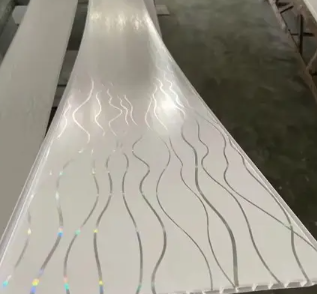
Material Composition and Intrinsic Scratch Resistance
PVC polymer matrix, calcium carbonate filler ratio, and their effect on surface hardness
Premium PVC marble wall panels resist scratches starting right down at their molecular makeup. The main ingredient is high quality PVC resin that creates a strong foundation, combined with calcium carbonate fillers making up over half the material by weight. These tiny mineral particles actually interfere with how the plastic deforms when pressure is applied, spreading out the force instead of letting it concentrate in one spot. As a result, these panels achieve Shore D hardness ratings above 80 according to ASTM D2240 standards. And this number matters because it tells us exactly why these walls stay looking good even after years of daily wear and tear in busy areas like hallways and entryways where people constantly bump against them.
Plasticizer selection and Shore D hardness correlation in premium pvc marble wall panel grades
The type of plasticizer selected makes a big difference for how durable materials stay over time. When we look at non-phthalate options like those without DINP content, they actually help maintain the stiffness of polymer chains and keep cross links intact. Traditional plasticizers tend to make everything too soft though. For high quality products, manufacturers often see around 5 to 8 points higher on the Shore D scale thanks to these better additives. This means surfaces deform less and tiny scratches don't turn into noticeable flaws even after months of constant wear and tear in places where products get used all day every day.
Surface Enhancement Technologies for Superior Scratch Resistance
UV-cured acrylic topcoats: achieving 3H pencil hardness and mar resistance
Acrylic topcoats cured with UV light offer exceptional resistance against scratches and mars because they create strong cross links really fast. When hit with ultraviolet light, these coatings basically build up tight molecular networks. They reach around 3H pencil hardness level, which is similar to what we see in hard maple wood, yet still keep that authentic look of natural stone surfaces. Since they don't contain solvents, there are no VOCs released during application. This makes them better than old school coatings when it comes to protecting surfaces and meeting environmental standards too. Many professionals have noticed this difference firsthand over recent years.
PE protective film: purpose, removal protocol, and impact on long-term surface integrity
Protective PE (polyethylene) film gets put on right after manufacturing to keep panels safe during shipping and when they're being installed. The film has a gentle stickiness and stays clear so it doesn't scratch the surface during handling, but still lets the coating underneath finish curing properly under UV light. To get the best outcome, take the film off somewhere between 30 to 60 days later by peeling it straight back at about a 180 degree angle. Leaving it too long can cause the adhesive to migrate and ruin the shine, while taking it off too soon might leave parts of the surface vulnerable to scratches before they've fully hardened. Good quality films transmit over ninety percent of light without turning yellow, which means they preserve how things look for years even in normal business environments.
Long-Term Durability of PVC Marble Wall Panels in High-Traffic Commercial Environments
PVC marble wall panels stand up really well in tough environments such as office buildings, shopping centers, and busy eateries. The material has a water resistant, fire retardant center that holds up against dampness and heat damage. Plus, the surfaces don't fade easily thanks to their UV stable coatings, so they stay looking good even when exposed to sunlight. Most installations last around 10 to 15 years in places where people walk all day long. Some last longer too if cleaned properly and maintained regularly. These panels resist scratches and wear from daily activity, keep their appearance stable through different weather conditions, and basically need very little care compared to other materials. For building managers concerned about both looks and budget, these panels offer real value over many years of service.
