
 EN
EN
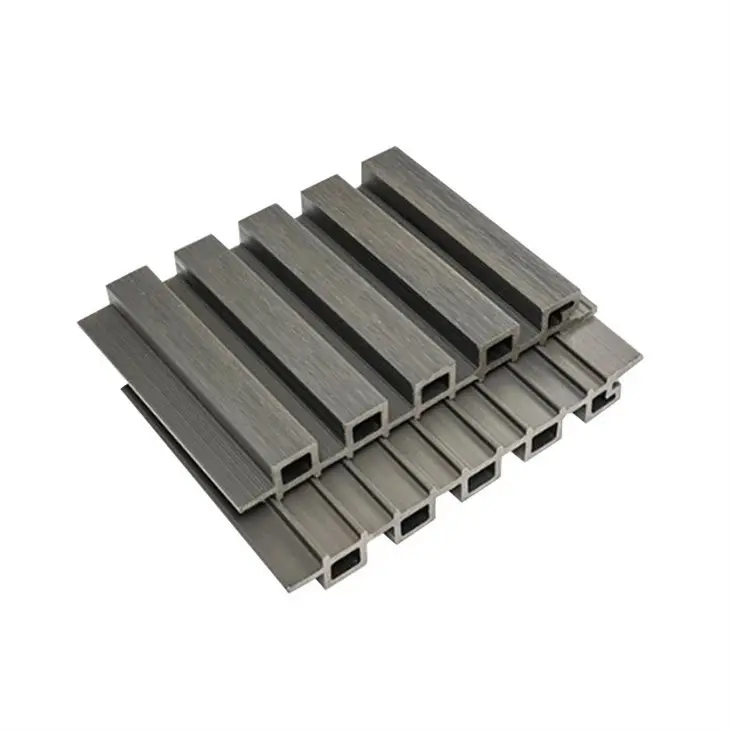
Strategic Sourcing for Modern Architecture: Navigating the Global WPC Wall Panel Market
Sourcing architectural finishing materials for international developments often involves navigating a complex landscape of varying manufacturing standards, material compositions, and logistical hurdles. Across years of material audits and factory inspections spanning multiple continents, a recurring lesson stands out for procurement professionals: partnering with the right production mill directly dictates whether a project achieves structural integrity or encounters premature environmental wear. When interior designers, real estate developers, and general contractors specify a high-performance WPC wall panel, they are investing in long-term visual continuity and resistance to weathering. Evaluating potential manufacturing partners requires looking past surface-level marketing claims and examining the core technical, chemical, and operational realities of composite wood production. Successful international procurement relies heavily on verifiable factory credentials, transparent raw material sourcing, and rigorous quality assurance protocols that safeguard commercial investments from unexpected supply chain disruptions and project delays.
Unlocking the Science of Polymer-Wood Composite Extrusion
To truly understand what separates subpar architectural boards from a premium WPC wall panel, one must examine the underlying extrusion chemistry. Wood-plastic composites are not merely molded plastics or pressed timber; they represent an engineered matrix combining refined wood flour, recycled or virgin polymer resins, and specialized chemical additives. Achieving a uniform, high-density core demands precise thermal control during the twin-screw extrusion process.
According to technical guidelines published by composite material research institutes, the exact ratio of polymer encapsulation around wood fibers determines moisture resistance and tensile strength. When manufacturing facilities fail to maintain strict temperature parameters during cooling and shaping, internal stresses develop, leading to warping or brittle cracking upon job-site installation. Top-tier production lines utilize automated gravimetric feeding systems to ensure that every extruded WPC wall panel maintains identical mechanical properties and dimensional stability across thousands of square meters of production. Engineering experts emphasize that master batch consistency directly prevents structural deviations during large commercial rollout phases, ensuring predictable installation results.
Real-World Job Site Insights and Environmental Resilience
Field experience across diverse climatic zones—ranging from scorching tropical humidity to freezing northern winters—reveals how environmental stressors impact building facades and interior feature walls. Traditional natural wood swells, rots, and fades rapidly when subjected to persistent moisture or intense ultraviolet radiation, requiring continuous upkeep, staining, and chemical treatments.
During recent overseas building audits, architectural installations featuring advanced WPC wall panel systems demonstrated exceptional resilience against moisture absorption, fungal decay, and color fading. Because the wood fibers are thoroughly encapsulated by protective polymer resins, water cannot penetrate the internal cell walls. This structural defense prevents the swelling and delamination commonly observed in inferior boards. Site supervisors and installation engineers consistently report that selecting weather-tested panels significantly reduces upkeep overhead, sparing building owners from recurrent repair cycles and preserving aesthetic integrity over decades of continuous exposure in demanding outdoor environments.
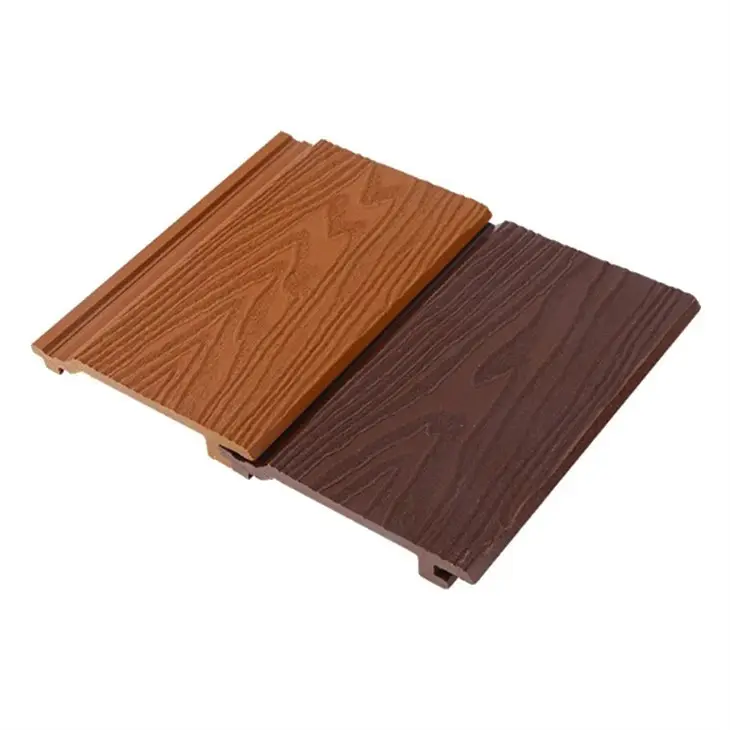
Adhering to International Regulatory Standards and Environmental Transparency
Modern commercial real estate developments face intense scrutiny regarding environmental accountability, indoor air quality, and sustainable building credentials. Forward-thinking procurement managers no longer accept vague eco-friendly assertions; they demand rigorous third-party verification, comprehensive laboratory test certificates, and transparent chain-of-custody documentation.
Established composite manufacturers align their production ecosystems with recognized international standards, including ISO quality management protocols, CE marking, and low-VOC emissions criteria. Furthermore, responsible mills utilize high-purity recycled polymers alongside sustainably harvested wood flour, supporting green building rating systems such as LEED and BREEAM. Reviewing batch-specific test reports for flexural strength, slip resistance, and fire-retardant performance provides architects with the empirical data necessary to secure municipal permits without administrative delays, ensuring full compliance with global safety regulations and environmental protection laws across target export markets.
Optimizing Project Value Through Robust Manufacturing and Supply Chain Partnerships
Procuring decorative building materials internationally involves more than verifying factory specifications; it requires complete confidence in export logistics, protective packaging, and timely port delivery. Even the finest architectural boards fail to deliver value if transit damage compromises their finish before installation. Effective global procurement demands seamless coordination between factory production floors and international freight forwarders.
Global Promises bridges the gap between raw natural forestry and exacting international architectural standards through advanced manufacturing infrastructure and meticulous supply chain execution. By combining state-of-the-art twin-screw extrusion technology, rigorous laboratory testing protocols, and robust export packaging—such as reinforced corner protection and moisture-barrier wrapping—Global Promises ensures that every WPC wall panel arrives on-site in pristine condition. For international developers, architects, and procurement managers seeking uncompromising quality, transparent environmental compliance, and dependable delivery schedules, partnering with Global Promises transforms material acquisition into a strategic competitive advantage that elevates every architectural venture.
Building Long-Term Resilience in International Trade
Ultimately, mastering the procurement of architectural finishes demands a commitment to continuous quality improvement and supplier transparency. As global construction standards evolve to favor sustainable, low-upkeep materials, choosing established manufacturing allies ensures that every commercial project remains structurally sound and visually striking for decades to come.
Table of Contents
- Strategic Sourcing for Modern Architecture: Navigating the Global WPC Wall Panel Market
- Unlocking the Science of Polymer-Wood Composite Extrusion
- Real-World Job Site Insights and Environmental Resilience
- Adhering to International Regulatory Standards and Environmental Transparency
- Optimizing Project Value Through Robust Manufacturing and Supply Chain Partnerships
- Building Long-Term Resilience in International Trade