
 EN
EN
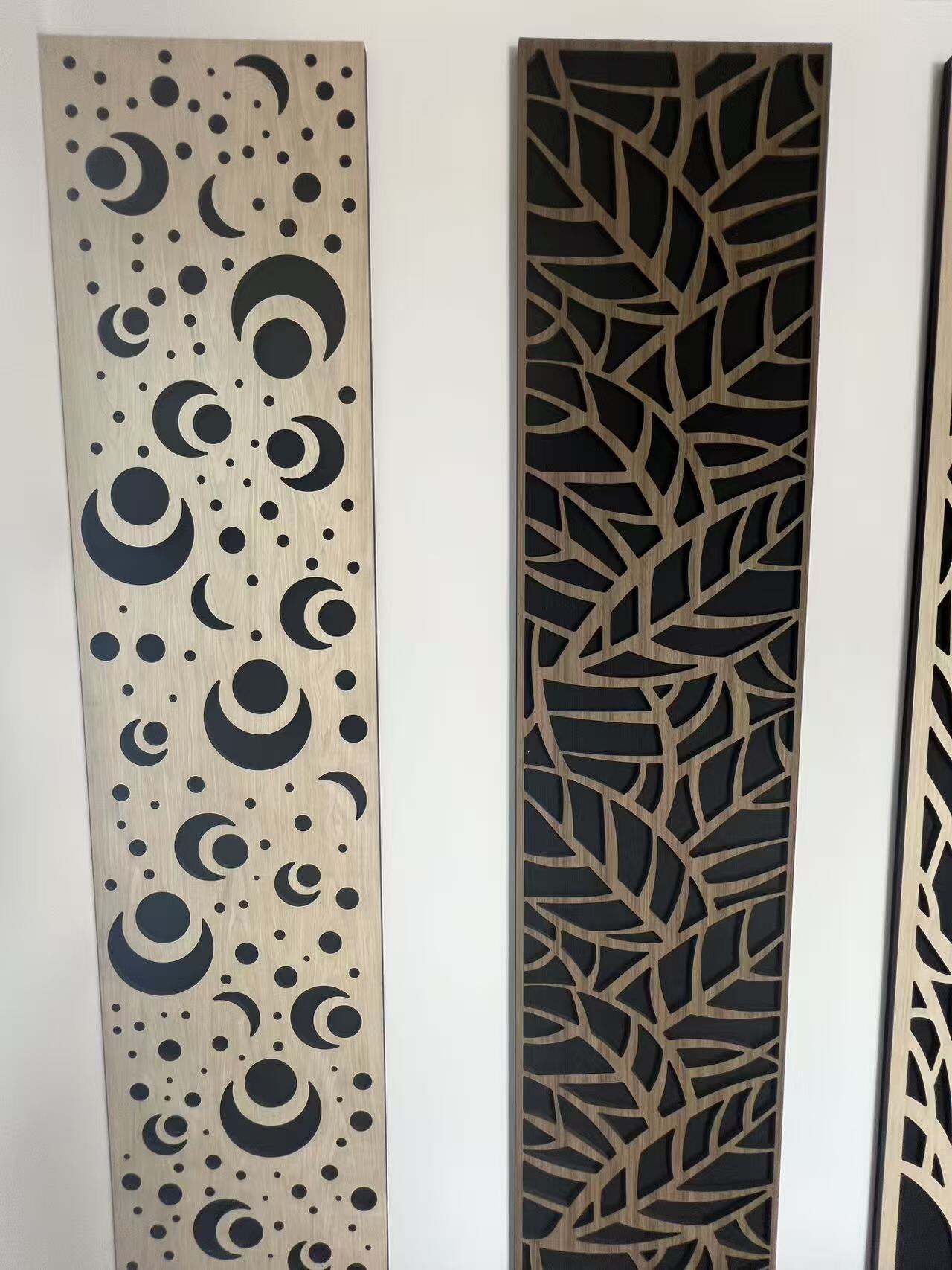
Why Acoustic Panels Are Essential for Modern Interior Decoration
Modern interior design increasingly prioritizes both form and function, with acoustic panels emerging as indispensable elements in contemporary spaces. As urban density rises and open-layout designs dominate residential and commercial interiors, uncontrolled reverberation compromises comfort and functionality—distorting conversations in living rooms, reducing productivity in home offices, and diminishing dining experiences in restaurants. Acoustic panels resolve these challenges by absorbing disruptive sound waves, significantly reducing echo and improving speech intelligibility. Beyond noise control, today’s panels integrate seamlessly into décor through customizable materials like fabric-wrapped cores or geometric PET felt designs, transforming utilitarian solutions into artistic features. This dual-purpose approach aligns with 2025’s top design trends, where wellness-driven spaces demand solutions that marry sensory comfort with visual sophistication.
How Acoustic Panels Work: NRC, Material Science, and Decorative Performance
Understanding the Noise Reduction Coefficient (NRC) in Design Contexts
The Noise Reduction Coefficient (NRC) quantifies an acoustic panel’s sound absorption capacity on a scale from 0 (no absorption) to 1.0 (total absorption). In interior design, NRC guides material selection to manage reverberation—especially critical in open-plan offices, where excessive echo can reduce speech clarity by up to 25%. Panels with an NRC of 0.70 or higher effectively absorb mid-frequency sounds like conversation, while performance-sensitive environments—such as recording studios or lecture halls—typically require NRC ≥0.85 for broader spectral control. Designers balance NRC with aesthetic intent, ensuring acoustic performance supports, rather than overrides, the space’s visual narrative.
Comparing Top Decorative Materials: PET Felt, Perforated Wood, and Fabric-Wrapped Core
Three materials lead high-design applications for their combined acoustic efficacy and stylistic versatility:
| Material | Acoustic Performance | Aesthetic Flexibility | Ideal Use Cases |
|---|---|---|---|
| PET Felt | Moderate absorption (NRC 0.5–0.7) | Vibrant colors, 3D shapes | Creative studios, accent walls |
| Perforated Wood | Balanced absorption/diffusion | Natural textures, custom patterns | Corporate lobbies, restaurants |
| Fabric-Wrapped Core | High absorption (NRC 0.8+) | Unlimited fabrics, seamless integration | Boardrooms, luxury residences |
PET felt panels leverage recycled plastics for eco-conscious designs, while perforated wood merges organic warmth with precision engineering. Fabric-wrapped cores—often built over mineral wool—deliver superior sound control and can be shaped into sculptural installations. For instance, geometric PET felt arrays in media rooms cut reverberation time meaningfully while functioning as intentional design statements.
Strategic Placement of Acoustic Panels Across Interior Spaces
Residential Interiors: Balancing Aesthetics and Speech Clarity in Open-Plan Living
Open-plan homes face acoustic challenges where sound travels freely across living, dining, and kitchen areas. Strategically placed acoustic panels absorb mid-to-high frequency reflections from hard surfaces like floors, countertops, and glass walls. Mount panels at primary reflection points—typically walls opposite seating areas or above kitchen islands—to improve speech intelligibility without disrupting spatial flow. Choose fabric-wrapped or wood-veneer panels that complement existing decor. Vertically mounted narrow panels, for example, double as elegant, functional dividers between zones—reducing echo while preserving openness.
Commercial Interiors: Zoning Reverberation Control in Hybrid Offices and Creative Studios
Hybrid workspaces require targeted acoustic management for diverse activities. Position panels to create distinct acoustic zones:
- Collaboration areas: Install ceiling baffles above meeting tables to contain discussion noise
- Focus stations: Apply wall-mounted panels behind desks to absorb monitor and keyboard reflections
- Transition spaces: Use free-standing screens near entrances to buffer foot traffic sounds
In creative studios, prioritize first-reflection points from sound sources—such as speaker walls in recording booths. Suspended panels provide 360° absorption, reducing reverberation time by up to 0.8 seconds, per 2023 field measurements. This zoning approach maintains auditory privacy while supporting flexible, human-centered space utilization.
Customization and Integration: Turning Acoustic Panels into Design Features
Color, Shape, and Mounting Options That Elevate Visual Identity
Acoustic panels now serve as intentional design elements—not afterthoughts. Strategic color selection allows them to either recede into neutral palettes or act as bold focal points, such as jewel-toned hexagons against minimalist backdrops. Dimensional forms—including curved profiles, pyramid textures, and organic silhouettes—enhance light-play and tactile interest while maintaining acoustic function. Modular mounting systems support floating walls, ceiling clouds, or integrated furniture pieces like sound-absorbing room dividers and upholstered headboards. This flexibility ensures panels reinforce, rather than conflict with, the interior’s cohesive identity.
Case Study: Fabric-Wrapped Acoustic Panels as Statement Walls in Soho Loft Interiors
In converted industrial spaces like New York lofts, fabric-wrapped acoustic panels solved two challenges simultaneously: taming concrete-induced reverberation times exceeding 1.8 seconds while adding warmth and texture. A recent project featured floor-to-ceiling wool panels in terracotta gradients spanning 25 feet—absorbing 85% of mid- to high-frequency energy per ASTM C423 testing while creating a tactile, immersive focal wall. The staggered layout incorporated recessed LED strips between panels, demonstrating how material choice, proportion, and intentional asymmetry can transform acoustic necessity into spatial artistry. Such projects affirm that acoustical performance and visual storytelling are not just compatible—they’re mutually reinforcing.
FAQ
What are acoustic panels used for?
Acoustic panels are used to absorb sound waves, reducing echo and improving speech intelligibility in various spaces, such as homes, offices, and restaurants.
What is NRC in acoustic panels?
NRC stands for Noise Reduction Coefficient and measures an acoustic panel's ability to absorb sound on a scale from 0 to 1.0, with higher values indicating better sound absorption.
What materials are popular for decorative acoustic panels?
Popular materials include PET felt, perforated wood, and fabric-wrapped cores, chosen for their acoustic efficacy and aesthetic versatility.
How should acoustic panels be placed in open-plan homes?
Acoustic panels should be mounted at primary reflection points like walls opposite seating areas or above kitchen islands to enhance speech clarity without disrupting the open space.
Can acoustic panels enhance the visual identity of a space?
Yes, acoustic panels can be customized in color, shape, and mounting options to complement or accentuate the visual identity of interior spaces.
