
 EN
EN
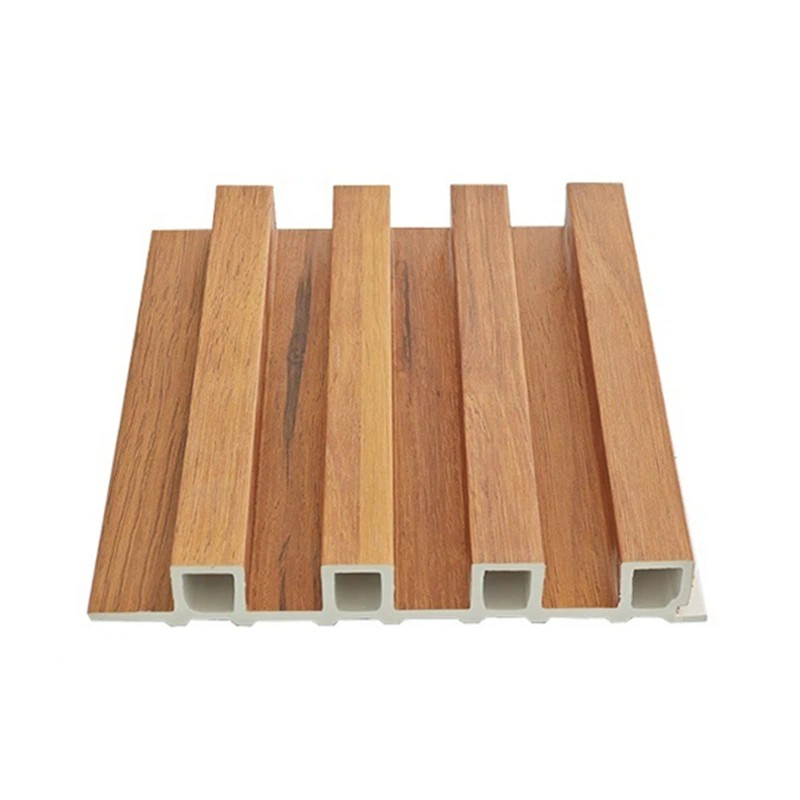
The Evolution of Workplace Design: Why WPC Wall Panels Are Defining Modern Interiors
In the rapidly shifting landscape of commercial interior design, the standard for professional environments has evolved beyond basic functionality. Today, the physical workspace is recognized as a vital component of brand identity and architectural integrity. Among the diverse materials now available to architects and property developers, Wood Plastic Composite (WPC) wall panels have transitioned from a niche choice to an industry-standard solution. Drawing from extensive involvement in the international building materials sector, it is clear that WPC represents a significant intersection of polymer science and aesthetic requirement, offering a material that addresses the complex demands of contemporary global architecture.
The Engineering Behind Rigid Composite Performance
At the technical core of high-grade WPC wall panels lies a fusion of wood fibers, thermoplastic resins, and specialized stabilizers. Unlike conventional wall coverings that rely on thin surface laminates, WPC panels are engineered for structural density and long-term dimensional stability. From a technical perspective, this means the material remains impervious to the fluctuations in humidity and temperature that frequently compromise interior finishes in diverse global climates. Extensive monitoring of material performance across various commercial environments confirms that these composites maintain structural integrity without the common issues of delamination, cracking, or surface oxidation. This material precision is a result of standardized extrusion technology, which ensures that each panel maintains uniformity throughout its lifecycle, satisfying the rigorous benchmarks required by modern international building codes.
Elevating Design Through Architectural Authenticity
The aesthetic utility of a building material is as critical as its physical durability. Architects and designers are increasingly moving away from synthetic-looking surfaces in favor of materials that offer tactile and visual depth. Modern WPC manufacturing has reached a level of sophistication where the replication of natural wood grain—including the nuanced texture of white oak or the deep tones of treated timber—is remarkably accurate. Expertise in the production process reveals that the integration of multi-layer co-extrusion allows for a finish that is not only visually striking but also physically textured. This level of detail allows designers to achieve the aesthetic balance required for corporate interiors and premium reception areas while utilizing a material that is consistent and easier to procure at scale than natural wood sources.
Prioritizing Sustainable Construction and Indoor Environment Quality
The global shift toward green building practices has prompted an industry-wide re-evaluation of material sourcing. WPC wall panels are intrinsically aligned with current Environmental, Social, and Governance (ESG) criteria. High-quality manufacturing standards now mandate that these products be formulated without the use of harmful additives often found in traditional interior construction. This transparency in chemical composition is essential for establishing professional confidence with developers and occupants. Beyond material safety, the lifecycle of WPC—which is significantly longer than that of standard decorative treatments—reduces the frequency of renovation cycles. By selecting materials that avoid the need for frequent replacement, project managers contribute to a more sustainable construction ecosystem, ensuring that buildings remain resilient and environmentally responsible.
Enhancing Acoustic and Thermal Stability in Commercial Spaces
A primary challenge in the design of open-plan offices is the management of ambient noise and thermal variance. Standard wall surfaces often fail to mitigate acoustic reflection, leading to echo and compromised interior conditions. WPC wall panels serve a dual purpose as both decorative elements and acoustic buffers. The composition and geometry of these panels assist in diffusing sound waves, creating a more controlled acoustic environment that is conducive to concentration. Furthermore, the inherent thermal insulating properties of these composites provide a layer of protection that helps stabilize the internal climate of an office. This creates a comfortable interior that reduces energy consumption, effectively turning an aesthetic choice into a functional asset that optimizes the structural utility of the building.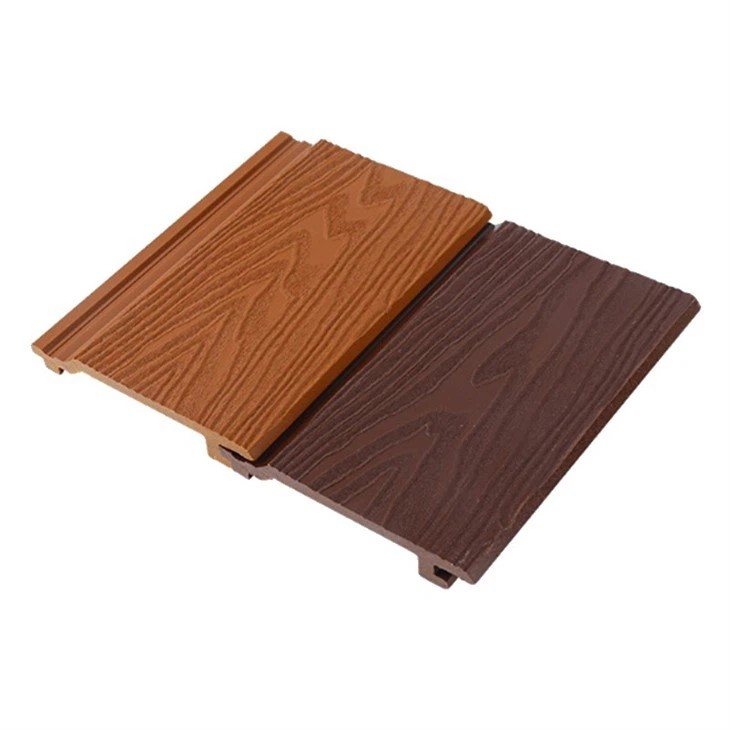
The Role of Precise Manufacturing and Global Supply Chain Reliability
Global Promises represents a benchmark in the manufacturing and supply of high-grade WPC solutions, integrating advanced production technology with a deep understanding of international construction standards. The manufacturing capacity of Global Promises is defined by rigorous quality control processes that oversee every phase of production, from the selection of raw material formulations to final standardized packaging. This professional dedication ensures that every batch meets global safety and durability benchmarks, providing distributors and contractors with the logistical transparency required to manage complex interior design projects. For businesses seeking a partner that understands the nuances of the global supply chain, Global Promises offers the engineering precision and technical support necessary to execute high-impact residential and commercial designs, solidifying its reputation as a leader in the architectural building materials manufacturing sector.
Table of Contents
- The Evolution of Workplace Design: Why WPC Wall Panels Are Defining Modern Interiors
- The Engineering Behind Rigid Composite Performance
- Elevating Design Through Architectural Authenticity
- Prioritizing Sustainable Construction and Indoor Environment Quality
- Enhancing Acoustic and Thermal Stability in Commercial Spaces
- The Role of Precise Manufacturing and Global Supply Chain Reliability
