
 EN
EN
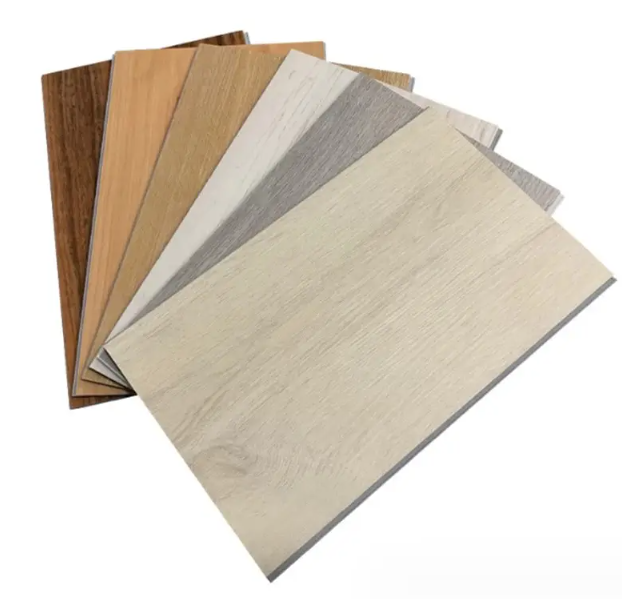
Exceptional Durability for High-Traffic Commercial Environments
Rigid Core Construction Resists Impacts from Carts, Furniture, and Heavy Equipment
The stone plastic composite core found in SPC flooring offers remarkable stiffness that holds up against all sorts of heavy pressure. We're talking about equipment weighing over 1000 pounds regularly passing over it without leaving any lasting dents behind. Flexible vinyl options just can't match this kind of performance. The mineral enriched layer stands up to warehouse forklift traffic, those big rolling carts used in hotels and restaurants, plus all the moving display furniture common in retail stores. What makes SPC really stand out is how it soaks up impacts while still maintaining its shape. After years on the ground, those planks stay aligned at their edges without warping or buckling. Facility managers who switched to SPC flooring tell us they get about 60 percent fewer complaints about dents than when they had regular vinyl installed. Makes sense when you think about it since the material simply doesn't give way under normal wear and tear, which saves money in repairs down the road.
20–30 Mil Wear Layer: The Industry Standard for Commercial-Grade SPC Longevity
Commercial SPC flooring typically comes with a wear layer between 20 and 30 mils thick, which has become standard for areas where people walk a lot, such as airports and hospitals. The urethane coating on these floors can handle more than 10,000 Taber cycles when it comes to resisting scratches, making it about three times as thick as what's found in home settings. These floors stand up well to all sorts of damage too, from sharp heel marks to wheelchair tracks and even the rough treatment from heavy duty cleaning machines. Regular thinner coatings tend to start looking worn out after just five years or so, but the thicker specification keeps the floor looking good for at least 15 years thanks to several features. First, they resist UV light so the edges near store windows don't turn yellow over time. Second, there are antimicrobial additives built right in, which helps keep things cleaner in places like restaurants. And finally, these floors won't show stains from chemicals spilled during lab work. All of this performance gets backed up by tests following ASTM F3261 standards, specifically designed for spaces that see upwards of 20,000 footsteps every single day.
Fully Waterproof SPC Flooring for Moisture-Prone Commercial Areas
Reliable Performance in Restrooms, Kitchens, and Retail Backrooms Without Swelling or Warping
SPC flooring delivers genuine waterproof protection thanks to its mineral packed core that stops liquids dead in their tracks. Whether it's spills from above or moisture rising up from below, nothing gets through this non porous material. No more swollen boards or warped tiles in places where water is always an issue like busy restaurant kitchens, hospital bathrooms, those messy grocery store stock rooms behind the scenes. Compared to regular water resistant options on the market today, SPC floors just don't let anything in at all. Food service businesses report replacing their floors way less often these days around 70% fewer times according to industry surveys. Plus the fact that SPC doesn't support mold growth makes these floors ideal for schools and hospitals where cleanliness matters most. And even after years of standing water or constant dampness, these floors stay flat and stable without buckling. Many manufacturers offer special textured finishes too that help prevent slips when surfaces get wet, adding another layer of safety where it counts.
Dimensional Stability Across Large-Scale Installations Despite Humidity and Temperature Shifts
SPC flooring works really well in big commercial areas where regular flooring tends to struggle with changing conditions. The rigid core construction helps prevent expansion and contraction problems when humidity changes or temperatures swing around 40 degrees Fahrenheit, which happens all the time in places like airports and shopping malls that maintain controlled climates. Testing according to ASTM F2199 standards shows dimensional changes stay below 0.03 percent, so there's little risk of buckling floors, edges coming up, or gaps forming between planks. Real world installations in multi story retail buildings and big box stores have held up fine for five years straight, even when humidity stays consistently above 80 percent. Another plus is how SPC acts as a good vapor barrier against concrete subfloors that release moisture vapor at rates up to 15 pounds per thousand square feet daily. Contractors report about 63 fewer callbacks for installation issues compared to when they use flexible vinyl options, making SPC a reliable choice for long term flooring solutions.
Streamlined Installation and Minimal Ongoing Maintenance
Click-Lock SPC Systems Enable Rapid Deployment—Often Under 48 Hours with Zero Business Disruption
SPC flooring really speeds things up when renovating commercial spaces because of those easy to use click lock systems. No need for messy adhesives, waiting for stuff to cure, or all that time consuming subfloor prep work. The planks just fit together dry and snap into place with pretty good accuracy. We've seen projects covering around 10,000 square feet get completed within two days, sometimes even faster. For places like hospitals and retail stores where business can't stop completely, this kind of fast installation means they can do the work at night while nobody's around. After it's installed, keeping it clean is super simple just regular sweeping and maybe a quick damp mop now and then. No need for all that old school waxing or polishing nonsense. Plus, the surface doesn't show scratches easily even with constant foot traffic. Over time, this cuts down on maintenance costs by about half compared to traditional vinyl floors.
Proven Long-Term Cost Savings Across Commercial Sectors
15-Year Lifecycle Comparison: SPC vs. LVT and Ceramic Tile in Retail, Hospitality, and Healthcare
Over a 15-year lifecycle, SPC consistently delivers lower total cost of ownership than LVT and ceramic tile across retail, hospitality, and healthcare settings. Its rigid core reduces replacement frequency by 40–60% in high-traffic corridors (Commercial Flooring Trends Report 2023). Three primary savings drivers define its economic advantage:
- Durability: Withstands rolling loads and impacts in clinical and operational zones—avoiding $18–$27/sq. yd. in premature replacement costs
- Zero Maintenance: Eliminates waxing, sealing, and associated labor—cutting annual upkeep costs by 80% versus ceramic tile
- Water Resistance: Prevents moisture-related failures in hotel kitchens and restrooms, saving over $740,000 per 100,000 sq ft in avoided water damage mitigation
This combination of longevity, low maintenance, and fail-safe moisture protection makes SPC flooring the strategic choice for budget-conscious, performance-driven commercial projects.
FAQ Section
1. What is SPC flooring and where is it used?
SPC flooring is a type of rigid luxury vinyl flooring that's made of stone plastic composite. It's used in commercial environments such as airports, hospitals, restaurants, and retail stores due to its durability and water resistance.
2. How does SPC flooring compare to traditional vinyl?
SPC flooring has a rigid core construction, making it more impact-resistant and less prone to dents than traditional vinyl flooring.
3. Is SPC flooring waterproof?
Yes, SPC flooring is fully waterproof, making it suitable for moisture-prone areas like restrooms, kitchens, and backrooms.
4. How long does SPC flooring last?
Commercial-grade SPC flooring can last at least 15 years due to its thick wear layer and resistance to scratches, stains, and UV light.
5. What are the maintenance requirements for SPC flooring?
SPC flooring requires minimal maintenance—typically just sweeping and occasional damp mopping—without the need for waxing or polishing.
