 EN
EN
Match Artificial Turf to Your Outdoor Project's Primary Use
Residential Lawns: Prioritizing Natural Look, Softness, and Low Maintenance
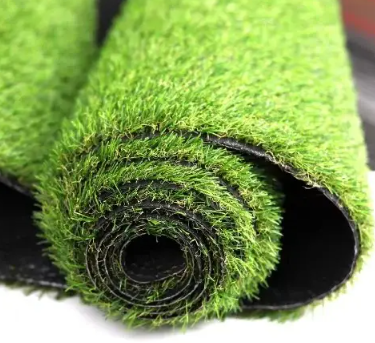
Homeowners want artificial turf that looks just like real grass without all the work involved. Medium pile heights around 30 to 40 mm tend to work best because they create that natural look we're after. The dual tone yarns really help too since they give off those varied colors similar to what we see in nature, plus the texture feels good when walking barefoot on it. Artificial lawns eliminate the need for regular mowing sessions, constant watering, and applying fertilizer throughout the year. One big plus is saving water - about 22 thousand gallons each year for a typical home. HDPE fibers are great at resisting matting issues and keeping their shape even after being walked on moderately often. And with UV stabilized backing material, these synthetic lawns stay colorful and intact for over fifteen years with just the occasional rinse needed to keep them looking fresh.
Commercial & High-Traffic Areas: Durability, Face Weight, and Recovery Performance
When installing turf at places like retail store fronts, office buildings, or mixed use areas, it makes sense to go for materials with face weights over 80 ounces per square yard combined with nylon reinforced polypropylene blades. The reason? These types can handle upwards of 500 people walking across them every day without showing signs of damage. A thicker backing layer, ideally at least 1.2 millimeters thick, really helps keep everything stable dimensionally and allows the surface to bounce back quickly after heavy use. Premium quality commercial turf typically recovers about 95% of its original height within just 24 hours following compression from foot traffic. This means significantly lower maintenance expenses compared to regular grass, cutting down costs by around 60% over time. Plus, many modern installations come with built-in antimicrobial protection which is especially valuable in areas where lots of hands touch surfaces throughout the day.
Sports & Playgrounds: Safety Certification, Pile Height, and Impact Absorption
When selecting synthetic turf for playgrounds, it's important to look for products that meet either ASTM F1292 standards in the US or EN 1177 requirements across Europe. These certifications ensure the turf can handle falls safely when the critical fall height stays under 1.5 meters. The ideal pile height typically falls between 40 to 55 millimeters. Pair this with shock absorbing materials such as SBR crumb rubber beneath the blades. This combination cuts down on impact forces by around 40 percent, which means less strain on joints and reduced chances of injuries. Good drainage is another factor worth considering. Turf with permeable backings can move water away at rates exceeding 2,400 inches per hour, keeping surfaces dry after rain showers. Some modern turfs also incorporate heat reflective fibers that actually make the surface feel cooler by about 18 degrees Fahrenheit than regular artificial grass. For sports fields used in soccer or American football games, manufacturers reinforce stitching intervals to be no less than three quarters of an inch apart. This prevents seams from coming apart even when players are making those quick side to side moves during intense play.
Key Technical Specifications That Define Outdoor Artificial Turf Performance
Pile Height & Density: Balancing Aesthetics, Function, and Drainage Efficiency
The height and thickness of grass blades together impact how attractive an area looks, how well it performs, and how water drains away. Sports fields usually go for shorter piles around 30 to 40 millimeters because they need balls to roll smoothly across the surface. Most home lawns have taller grass at about 50 to 70 mm since people generally want that thick green look. When talking about density, we're basically counting how many stitches there are in each meter of turf. Higher density means the surface lasts longer underfoot, but comes with a catch. These dense surfaces actually need special backing systems to keep water flowing properly when rainfall exceeds 600 inches per hour, which is what most professionals consider acceptable for handling storms. Getting this right matters a lot because otherwise the grass starts to flatten out over time and water just sits there instead of draining off properly, especially after those big summer downpours everyone hates.
Face Weight (oz/yd²) and Yarn Material: UV Resistance, Wear Life, and Heat Retention
The face weight basically tells us how dense the material is across each square yard of turf. Premium commercial grades usually go above 80 ounces per square yard, whereas what most people install at home tends to fall somewhere between 60 and 75 oz/yd². When it comes to residential lawns, polyethylene has become pretty much standard because it feels softer underfoot and stands up well against sunlight without fading too quickly. Tests show these surfaces maintain around 95 percent of their original colors even after a decade or so outside. For athletic fields where durability matters most, nylon remains king despite getting warmer during playtime. However manufacturers have started applying special reflective coatings lately that actually reduce surface temps by about 15 degrees Fahrenheit compared to regular synthetic materials, which helps fix this annoying tradeoff between bounce back power and uncomfortable heat buildup.
Environmental Resilience: UV Stability, Drainage Design, and Surface Temperature Control
UV Protection Methods: Embedded Stabilizers vs. Coated Backing – Real-World Lifespan Data
How well synthetic grass stands up to sunlight makes all the difference in how long it lasts. When manufacturers embed special stabilizers into the yarn during production, these compounds actually form chemical bonds with the fibers themselves. This helps protect against breakdown caused by constant sun exposure. Another approach involves applying a protective coating to the backing material after production is complete. Real world testing indicates that turf with built-in stabilizers typically lasts between 10 to 15 years while keeping about 95% of its original color. The same tests found coated turf starts fading much quicker in sunny areas, roughly 30% faster according to the Synthetic Turf Council's 2023 findings. Looking at the latest numbers from the Turf Durability Report released in 2024, turf treated with stabilizers maintains around 89% of its original tensile strength after ten years outside. Compare that to only 67% remaining strength in those coated alternatives over the same period.
Drainage Systems and Heat Mitigation: Perforated Backing, Cool-Color Yarns, and Thatch Layers
Good drainage systems stop water from pooling on surfaces and also help keep things cooler when it gets hot out. Sports fields often need special drainage because of all the activity going on there. The backing material typically has between four to six small holes spread across each square foot, which lets water drain away really fast - faster than what FIFA requires for their sports standards actually. Some newer turf materials come in cool colors like olive green instead of the usual dark green we see everywhere else. These lighter shades bounce back some of the sun's heat so surfaces stay about 20 degrees Fahrenheit cooler during those sweltering afternoons according to research from Landscape Architecture Foundation in 2024. Putting down a thin layer of polyethylene underneath the grass blades makes a difference too. It forms little air spaces that trap heat away from where people walk or play while still keeping everything sturdy enough to handle regular use without falling apart.
FAQ
What is the best pile height for residential lawns?
For residential lawns, a medium pile height of 30 to 40 mm is recommended for an optimal natural look and feel.
What materials are ideal for artificial turf in high-traffic commercial areas?
Materials with face weights over 80 ounces per square yard combined with nylon reinforced polypropylene blades are ideal for high-traffic commercial areas.
Why is drainage important for sports fields?
Efficient drainage systems prevent water pooling and maintain surface performance, contributing to cooler surfaces and facilitating consistent play.
