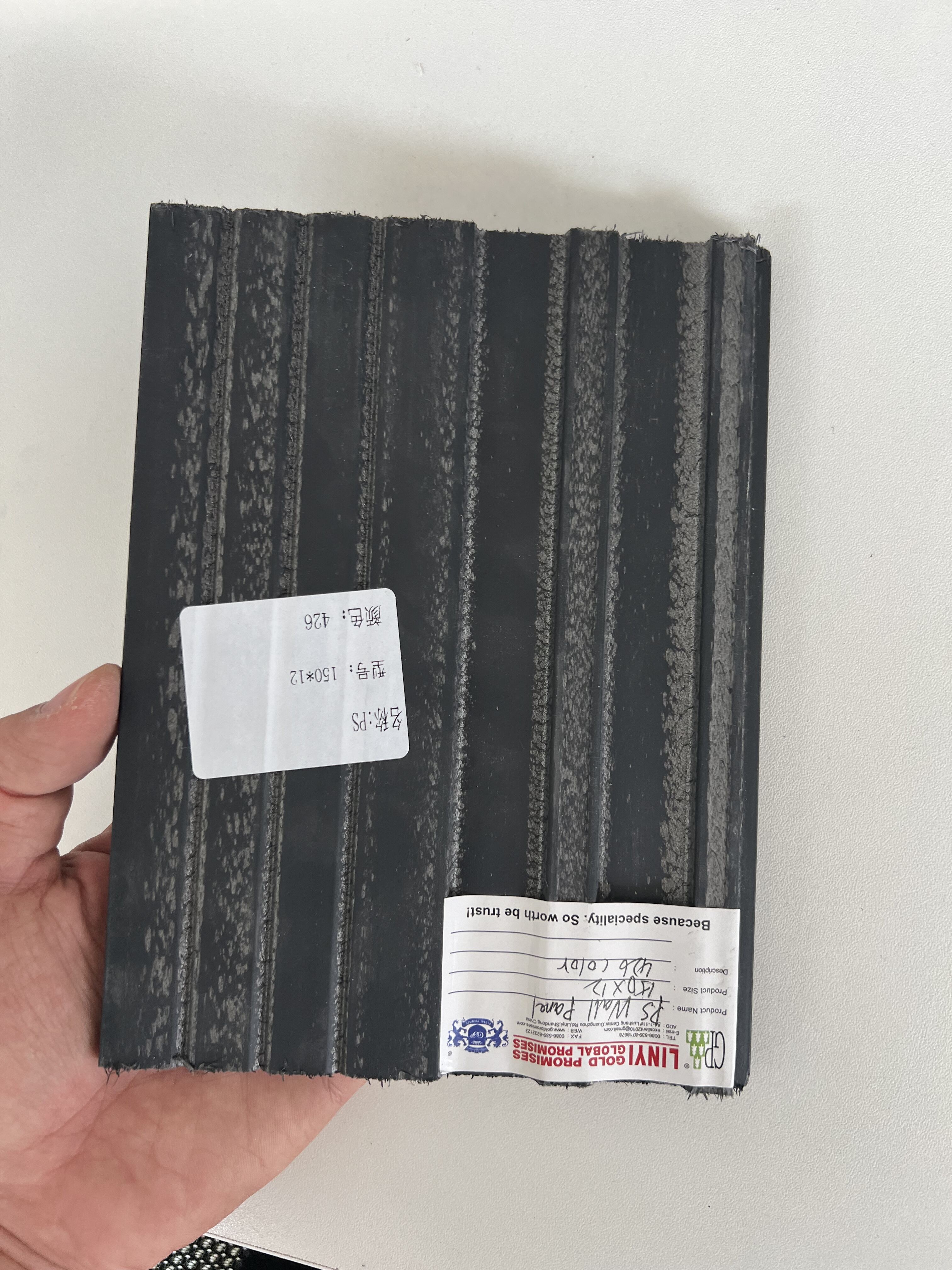
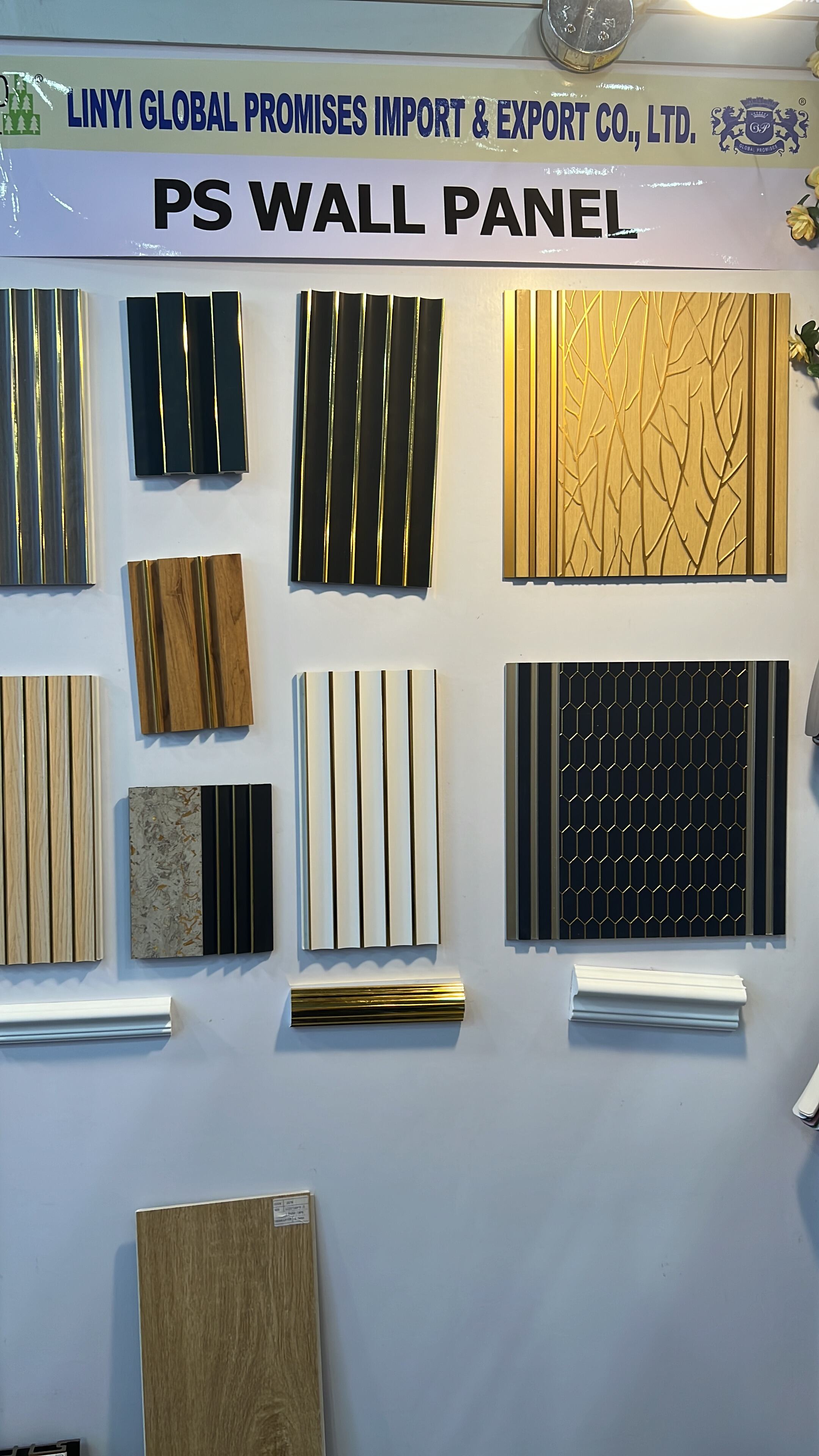
EPS insulated panels, or expanded polystyrene insulated panels, are high-performance building materials designed to deliver superior thermal insulation, structural integrity, and energy efficiency for a wide range of construction applications. These panels consist of a rigid EPS foam core sandwiched between two protective facings, which can be made of materials such as steel, aluminum, cement, or fiberglass-reinforced polymers (FRP). The combination of the closed-cell EPS foam core and durable facings creates a composite panel that offers exceptional thermal resistance, moisture protection, and structural support in a single, easy-to-install component. The primary function of EPS insulated panels is to provide efficient thermal insulation, as the closed-cell structure of EPS foam traps air and minimizes heat transfer through conduction, convection, and radiation. This results in significant energy savings for buildings, reducing heating and cooling costs and improving indoor comfort. In residential applications, these panels are used for exterior walls, roofs, floors, and basements, creating energy-efficient homes that meet or exceed modern building codes and green building standards. For example, a passive house project could utilize EPS insulated panels to achieve the ultra-high thermal performance required, reducing reliance on mechanical heating and cooling systems. In commercial and industrial settings, EPS insulated panels are widely used in warehouses, factories, cold storage facilities, office buildings, and retail centers. A cold storage warehouse, for instance, depends on these panels to maintain a consistent low temperature, as their superior insulation properties prevent heat infiltration and reduce energy consumption. Beyond thermal insulation, EPS insulated panels offer excellent moisture resistance, as the EPS foam core is impermeable to water, preventing mold growth, rot, and structural damage. The facings also provide additional protection against environmental elements, such as wind, rain, and UV radiation. The lightweight nature of the panels simplifies transportation and installation, reducing labor costs and construction time compared to traditional building materials. Additionally, EPS insulated panels are highly versatile and customizable, available in various thicknesses, densities, and sizes to meet specific project requirements. They can be easily cut, shaped, and fabricated to fit complex architectural designs, including curved walls and custom fixtures. Fire safety is a critical consideration, and many EPS insulated panels are treated with fire-retardant additives to meet strict fire safety regulations. Environmentally, EPS insulated panels are sustainable, as EPS foam is recyclable and has a low carbon footprint compared to alternative insulation materials. Whether used in new construction, retrofitting existing buildings, or modular construction projects, EPS insulated panels offer a reliable, cost-effective solution that enhances energy efficiency, durability, and overall building performance. To learn more about our product range, technical specifications, and application details, please contact our team for personalized support.

 EN
EN