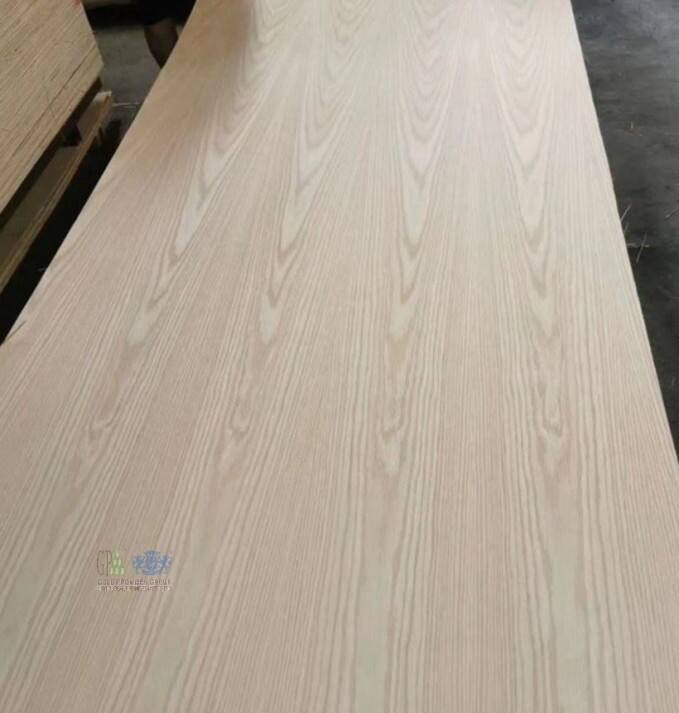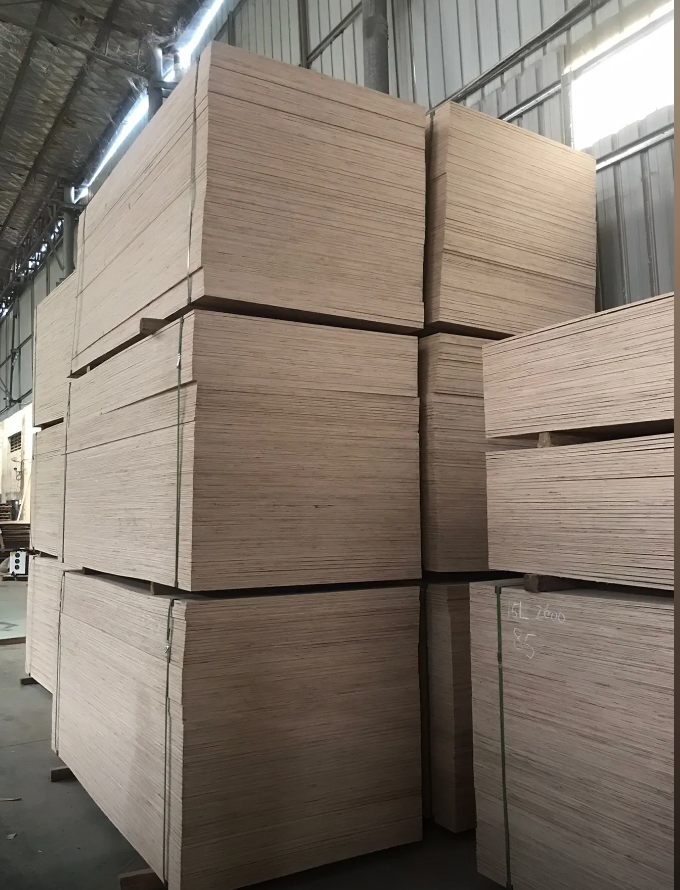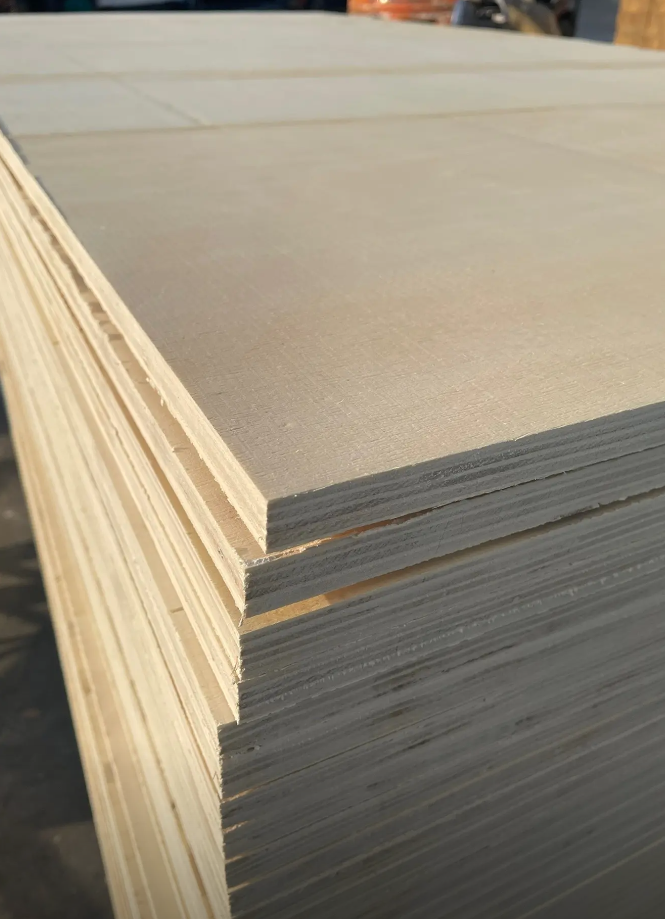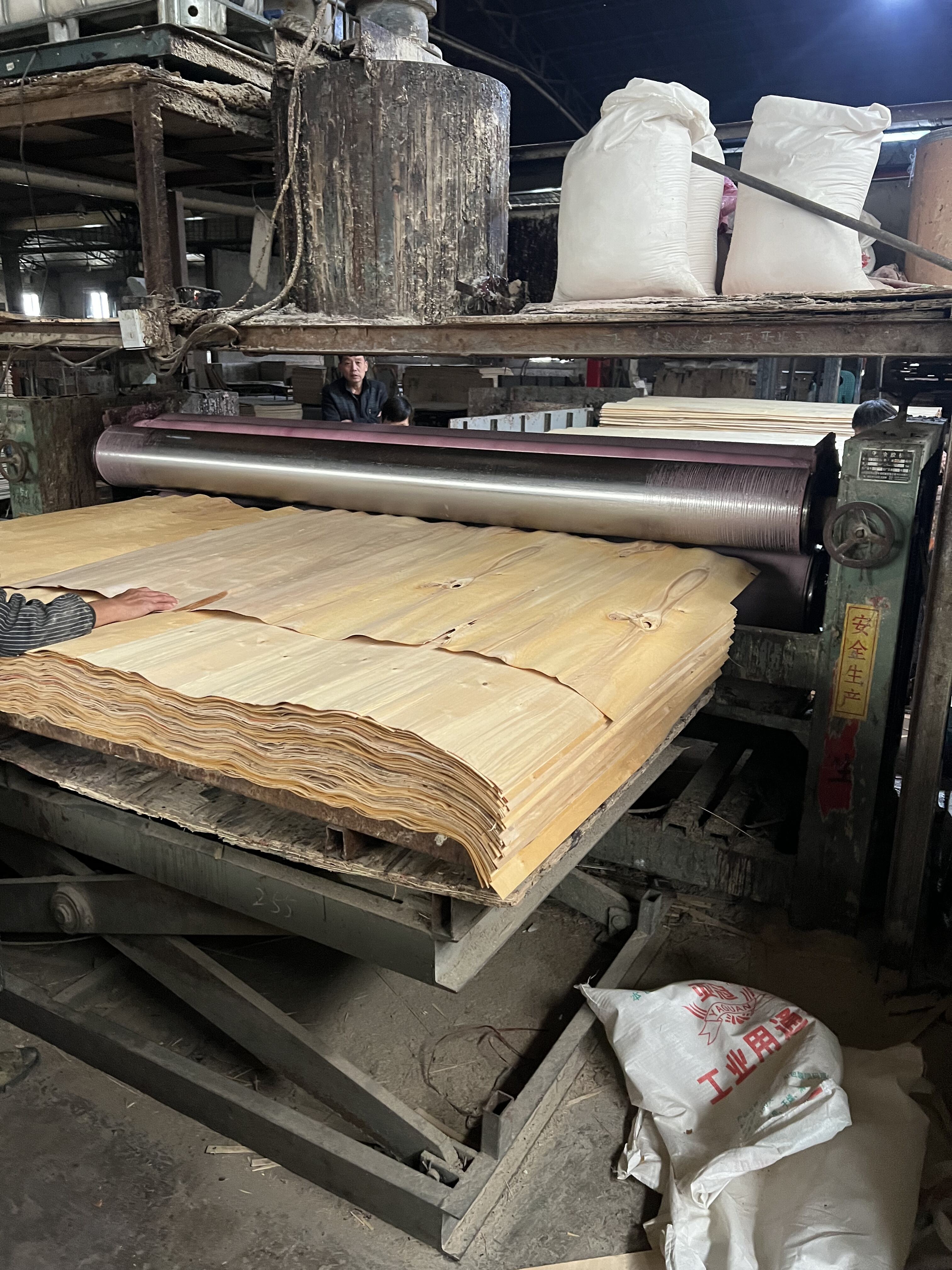

Green plywood, often referred to as eco-friendly or sustainable plywood, is a specialized wood-based panel manufactured using environmentally responsible practices, including sustainably sourced raw materials, low-VOC (volatile organic compound) adhesives, and energy-efficient production processes. The price of green plywood is influenced by several factors that distinguish it from conventional plywood, such as certification costs, sustainable material sourcing, and eco-friendly manufacturing techniques, all of which contribute to its higher value for environmentally conscious buyers. Manufacturers like New Create Plywood Company Limited—based in Bac Giang Province, Vietnam, with a commitment to sustainable production—supply green plywood crafted from veneers sourced from FSC (Forest Stewardship Council)-certified forests and bonded with low-formaldehyde adhesives (meeting CARB Phase 2 and TSCA Title VI standards), ensuring minimal environmental impact throughout the product lifecycle. One of the primary drivers of green plywood price is sustainable raw material sourcing. FSC-certified forests require responsible forestry practices (e.g., reforestation, biodiversity protection, and fair labor), which increase the cost of veneers compared to non-certified wood. For example, sourcing rubberwood from FSC-certified plantations in Vietnam involves additional costs for certification audits and compliance, which are passed on to the final product price. Low-VOC adhesives are another cost factor—green plywood uses adhesives with formaldehyde emissions below 0.05 ppm (parts per million), significantly lower than conventional adhesives. These specialized adhesives are more expensive to produce but contribute to healthier indoor air quality, making green plywood ideal for residential homes, schools, and healthcare facilities. A developer building an eco-friendly apartment complex in Sweden might specify green plywood for interior cabinetry and wall panels, willing to pay a premium for materials that align with the project’s sustainability goals and meet strict indoor air quality regulations. Manufacturing processes also impact green plywood price. Energy-efficient production (e.g., using solar power or waste heat recovery) and waste reduction measures (e.g., recycling wood scraps into biomass fuel) require upfront investments in equipment, which are reflected in the product price. However, these practices reduce long-term environmental costs and appeal to buyers seeking LEED (Leadership in Energy and Environmental Design) or BREEAM (Building Research Establishment Environmental Assessment Method) certification for their projects. Market demand for green building materials further influences pricing— as global awareness of sustainability grows, demand for green plywood increases, leading to more competitive pricing for bulk orders. When evaluating green plywood price, it is important to consider the long-term benefits: reduced environmental impact, improved indoor air quality, and compliance with green building standards, which can enhance property value and reduce healthcare costs associated with poor air quality. To obtain a personalized quote for green plywood—including bulk pricing, certification details, and customization options—please contact us directly. Our team will provide transparent pricing based on your project’s sustainability goals and volume requirements.
ONLINE