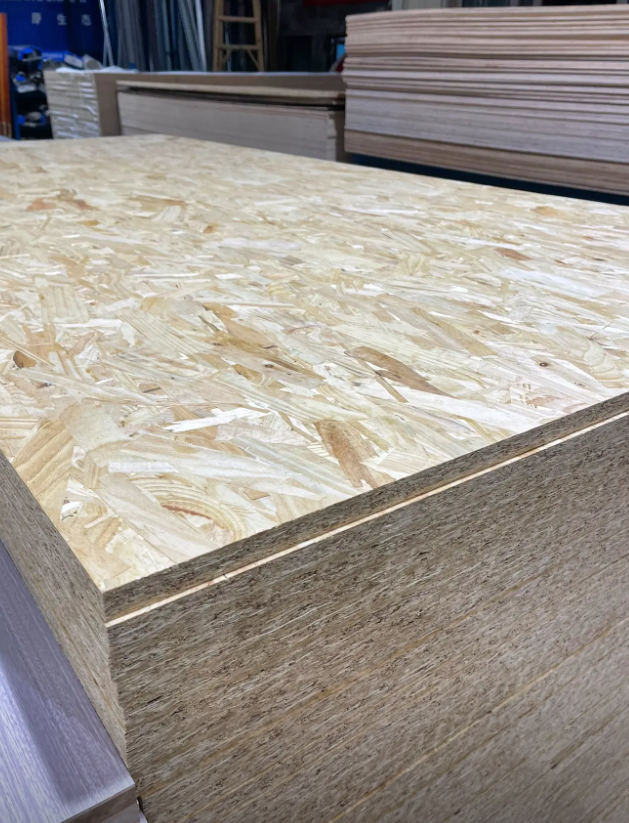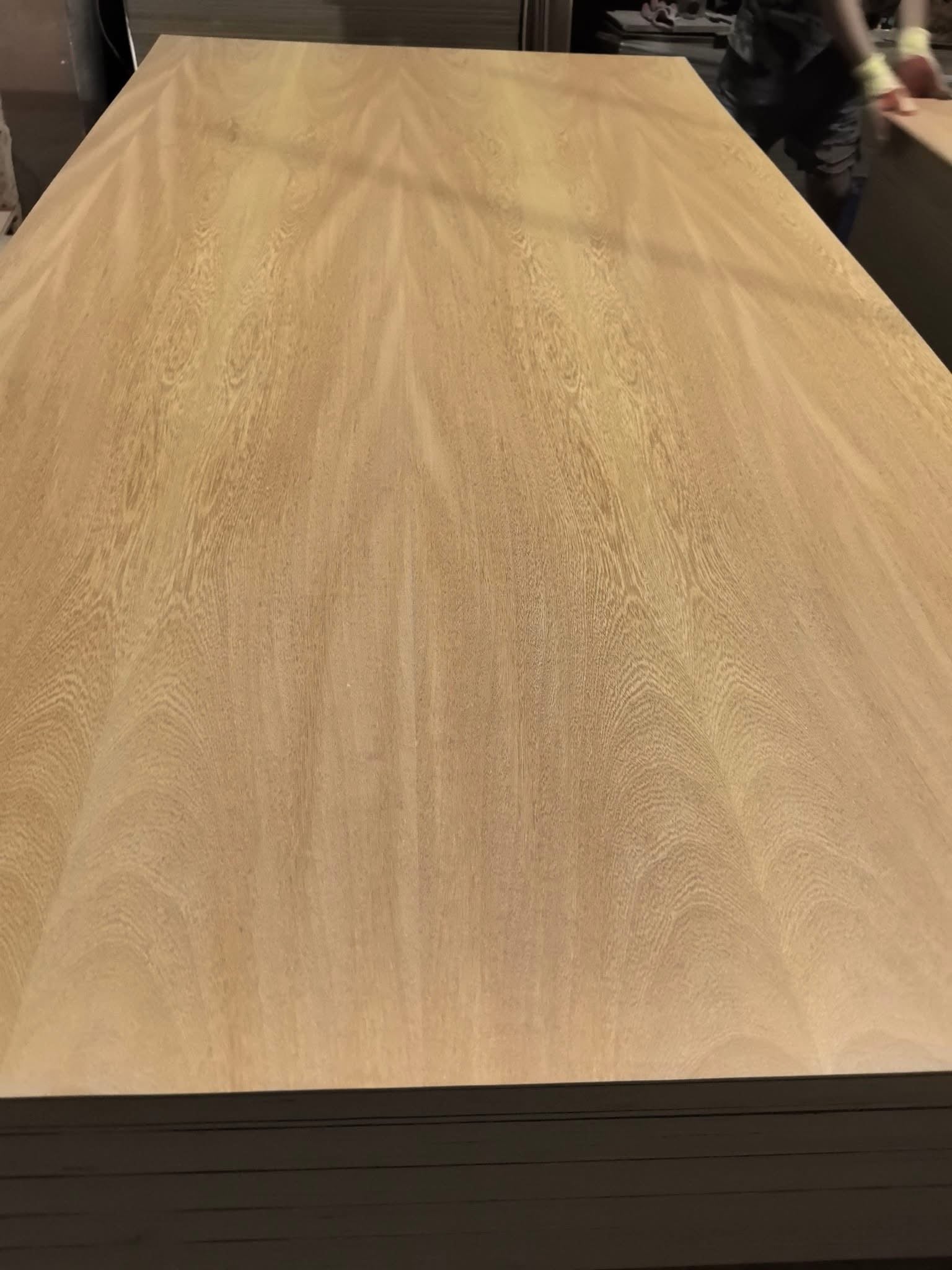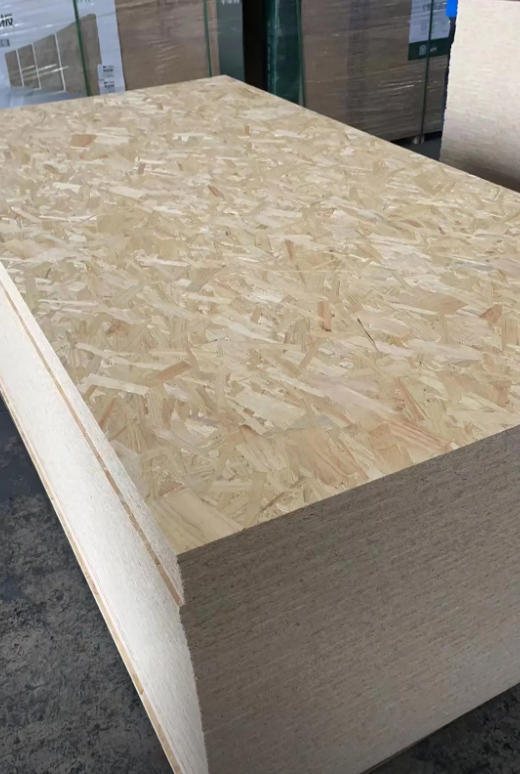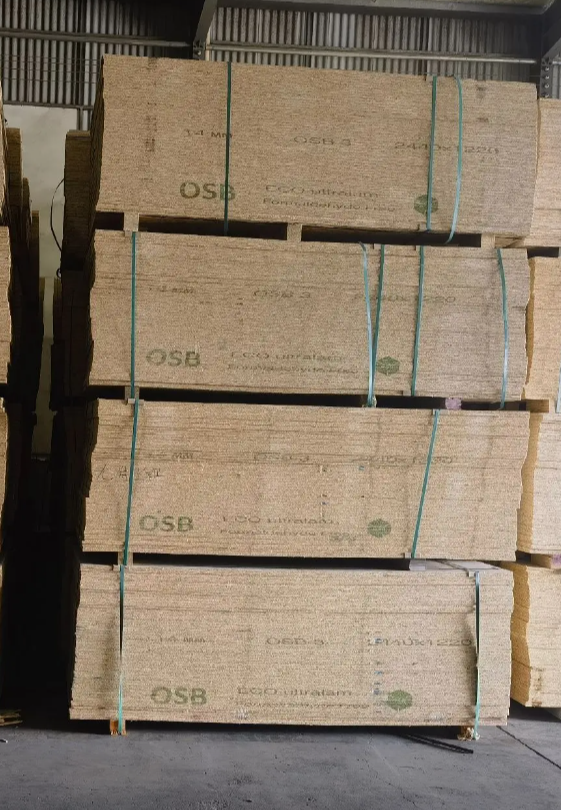
While both Oriented Strand Board and particle board fall under the category of engineered wood composites, they are distinct products with different compositions, manufacturing processes, and performance characteristics. Particle board is made from smaller, randomly oriented wood particles, flakes, or chips bonded with resin under heat and pressure. It has a relatively smooth surface but is generally less strong, less stiff, and more susceptible to moisture than OSB. Its primary use is in interior, non-structural applications like ready-to-assemble furniture, shelving, and as a substrate for countertops and laminate flooring. OSB, in contrast, is manufactured from larger, wafer-like wood strands that are strategically oriented in cross-directional layers, similar to plywood's cross-graining. This engineered structure gives OSB superior strength, stiffness, and dimensional stability, making it a direct competitor to plywood for structural sheathing and webbed wood I-joists. A key difference is in edge appearance: particle board has a uniform, granular edge, while OSB displays the distinct, layered pattern of the compressed strands. For a kitchen cabinet box intended for a dry interior, particle board with a laminate covering is a cost-effective and stable choice. For the subfloor in a new home construction, OSB is the appropriate structural panel. New Create Plywood Company Limited's product portfolio includes both "density boards" (a category encompassing particle board) and the capacity for "special-shaped boards," demonstrating our broad manufacturing capabilities in wood composites. To determine the most suitable board type for your specific application, please contact us with your project details for expert consultation.
ONLINE