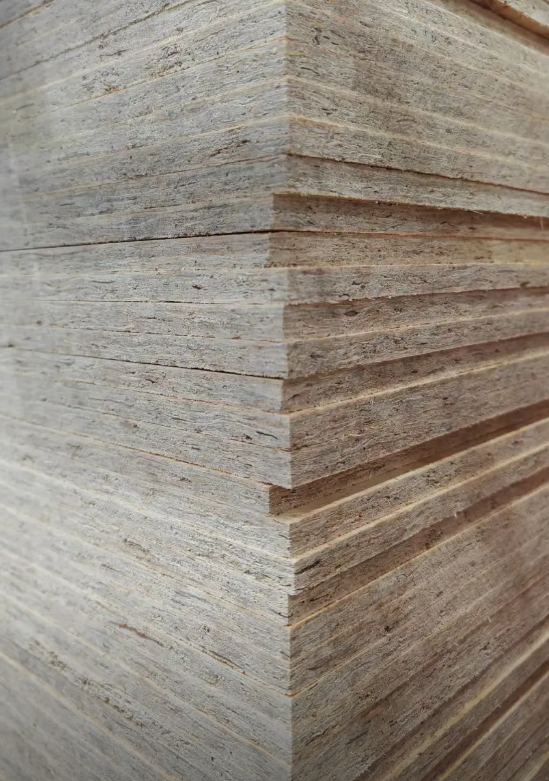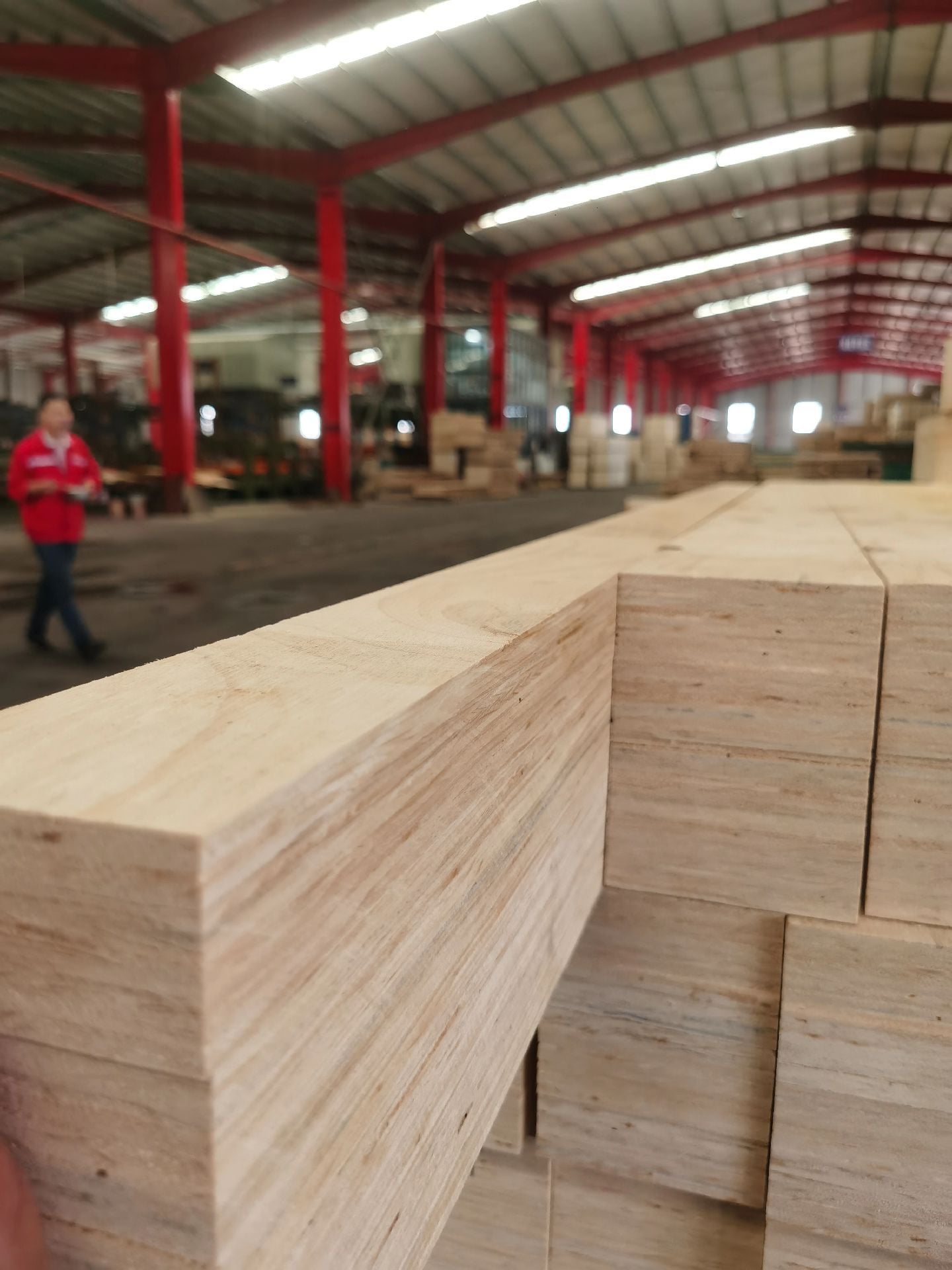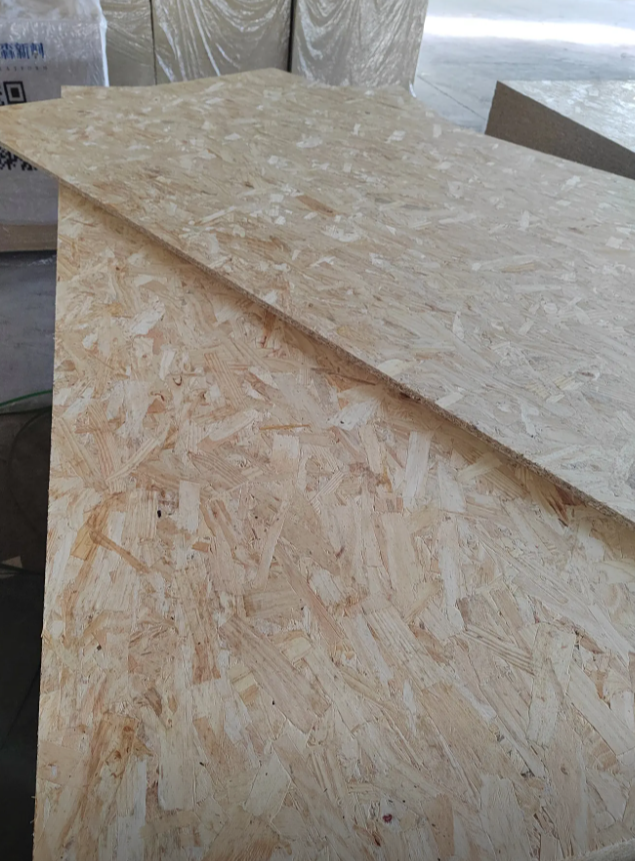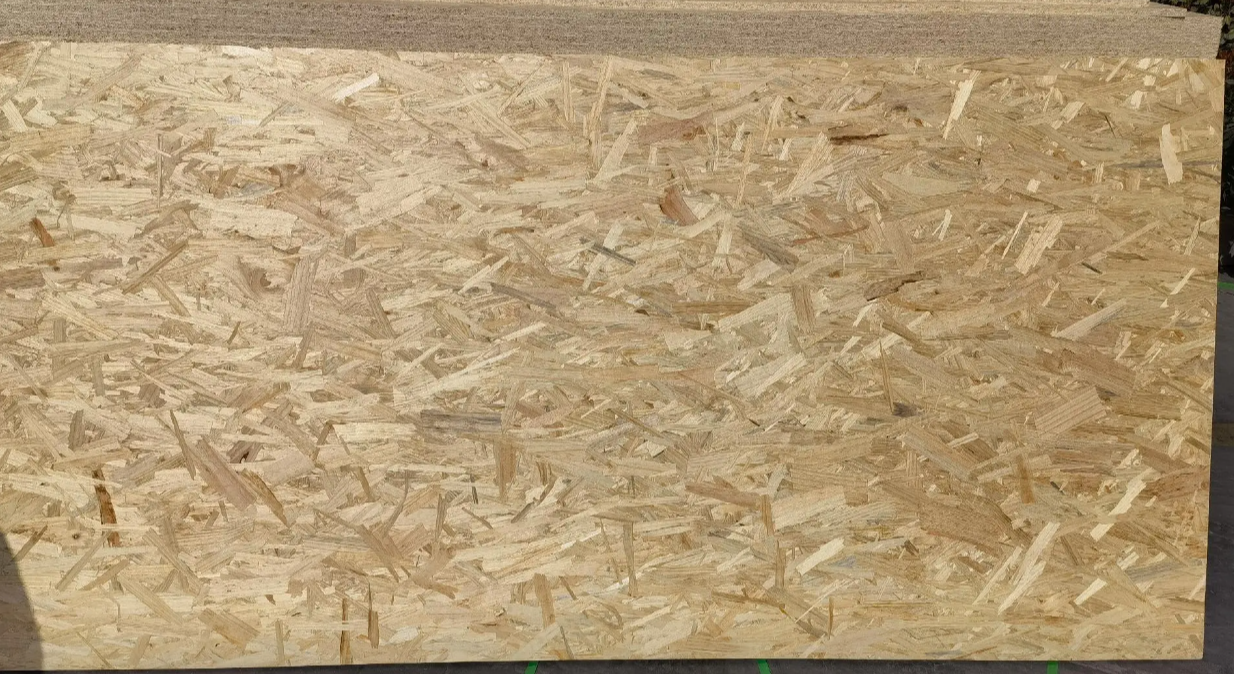
Oriented Strand Board is categorized into distinct types or grades, each defined by international standards (such as EN 300 in Europe) that dictate its mechanical properties and suitability for different service conditions. These grades are primarily differentiated by their bond durability and load-bearing capacity. OSB/1 is intended for general-purpose interior use in dry conditions, such as for furniture, packaging, and non-structural interior fit-outs. OSB/2 is designed for load-bearing applications in dry environments, commonly used for floor decking, roof sheathing, and wall sheathing in protected construction. OSB/3 is the most versatile and widely used grade, suitable for load-bearing applications in humid conditions. It is the standard choice for structural sheathing in roofs, walls, and floors where temporary exposure to weather during construction or higher ambient humidity is expected. OSB/4 is a high-specification board for heavy-duty load-bearing use in humid conditions, offering greater strength and stiffness for demanding engineering applications. The orientation of the wood strands in cross-aligned layers is what gives OSB its signature strength and dimensional stability. For a roofing contractor, selecting OSB/3 panels is essential to ensure the roof deck maintains its integrity if it rains before the shingles are installed. New Create Plywood Company Limited, with its expertise in composite board production, understands the technical specifications behind different panel types. Our scientific quality management system is designed to control the variables that determine a board's grade and performance. For guidance on selecting the correct type of OSB for your structural or interior application, we recommend contacting our technical advisors. They can provide detailed information based on your project's environmental and load-bearing requirements.
ONLINE