
 EN
EN

The Acoustic Challenges of Modern Communal Design
In the contemporary landscape of interior architecture, the trend toward open-concept layouts has fundamentally altered how sound behaves within a room. Shared environments often prioritize expansive glass, polished concrete, and hard drywall—materials that are aesthetically striking but acoustically unforgiving. In these spaces, sound reflections, or reverberation, behave like a pool table, bouncing relentlessly off every hard surface. This accumulation of noise creates a high "noise floor," where normal sound levels become difficult to distinguish and background hums escalate into a distracting cacophony. Experience within high-traffic environments demonstrates that when sound is left unmanaged, the human brain must exert significantly more energy to filter out unwanted audio, leading to rapid mental fatigue. The implementation of high-performance acoustic panels is not a luxury; it is a fundamental architectural requirement for any space intended for communication and focus.
The Physics of Sound Absorption: Beyond Simple Barriers
To understand why a dedicated acoustic panel is superior to traditional wall decor, one must look at the underlying physics. Sound is energy, specifically kinetic energy carried by vibrating air molecules. When this energy strikes a hard, non-porous surface, it reflects back into the room. However, when sound waves strike a high-performance acoustic panel, they enter a porous medium—typically engineered fiberglass, mineral wool, or specialized acoustic foam. Inside the intricate cellular structure of these panels, the energy of the sound wave is dissipated through viscous friction. As air molecules move through the dense, porous fibers, their motion is dampened, effectively converting the kinetic energy into a negligible, undetectable amount of heat. This process—known as absorption—is the only way to genuinely reduce the reverberation time within a room, turning a hollow, echo-prone space into a controlled acoustic environment.
Scientific Standards for Sound Mitigation
Performance in acoustics is not a matter of opinion; it is a matter of measurable data. Professionals in the field rely on the Noise Reduction Coefficient (NRC) to quantify how effectively a material absorbs sound. An NRC rating of 0.0 indicates that a material reflects all sound, while a rating of 1.0 indicates near-total absorption. High-quality panels are engineered to hit target NRC ratings that align with specific interior needs. Beyond just absorption, structural precision is required to ensure that panels maintain these ratings over years of use. This involves precise fiber density control and the application of acoustic-grade textiles that are transparent to sound waves, allowing them to penetrate the core without being reflected back into the room. When designers specify panels based on these scientific standards, they are ensuring that the interior build will perform reliably, regardless of the room’s geometric complexities.
Cognitive Load and the Architecture of Focus
The connection between acoustics and mental performance is frequently overlooked, yet it is profound. Environmental psychology points to "cognitive load"—the amount of mental effort being used in the working memory. In spaces with poor acoustic quality, occupants suffer from constant audio interference. Even when the sounds are not inherently loud, the sheer lack of clarity makes it harder to process information, engage in dialogue, or maintain deep work states. By installing a robust acoustic panel system, the decay time of sound is drastically shortened. This clarity, often referred to as improved Speech Transmission Index (STI), allows for effortless communication. In a properly treated shared space, the intrusion of distant conversations is minimized, and the clarity of near-field communication is enhanced. This creates a psychological environment where individuals can interact and relax without the subconscious exhaustion caused by auditory clutter.
Material Integrity and Mechanical Durability
The long-term success of any acoustic installation is fundamentally linked to the quality of its structural components. A high-performance panel must withstand the mechanical stresses of a high-traffic environment without sagging, fraying, or losing its absorption capabilities. Material integrity is maintained through rigorous manufacturing protocols—ensuring that fabric tension remains consistent, that frame joints are reinforced, and that internal cores are uniform in density. This focus on durability is essential for projects that are expected to function at a high level over many years. When panels are constructed with inferior materials, the internal core can crumble or the aesthetic fabric can stretch, both of which degrade the panel's ability to manage sound. Investing in components manufactured with an emphasis on structural stability ensures that the acoustic environment remains as effective on its tenth year as it was on its first.
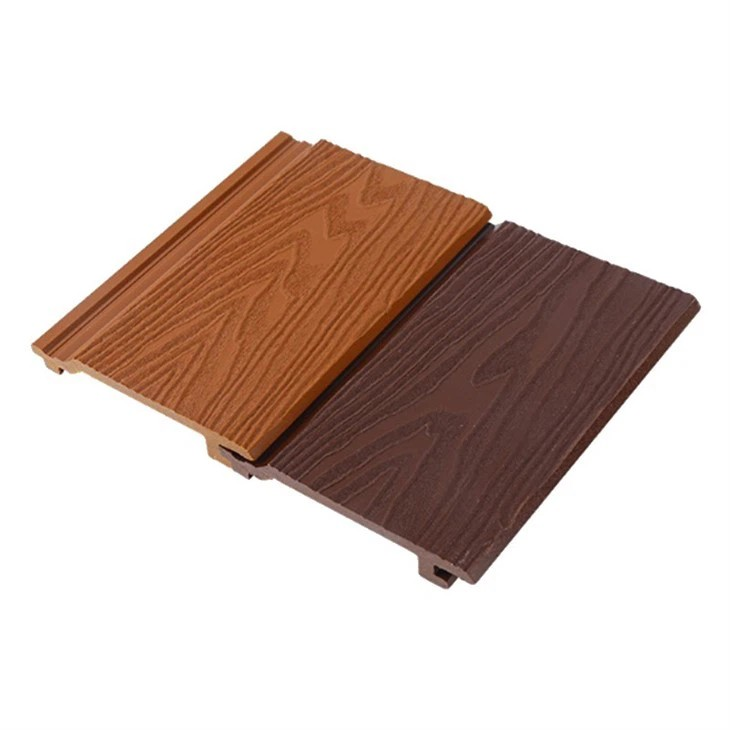
Strategic Excellence in Material Supply
The ultimate success of an interior project is dictated by the quality of the materials selected and the technical reliability of the supply chain supporting them. Choosing the right acoustic solution is a strategic decision that affects the project's long-term utility and its architectural success. Global Promises has established a reputation for bridging the gap between sophisticated design intent and uncompromising mechanical performance. By focusing on material integrity and rigorous manufacturing standards, Global Promises ensures that each component meets the necessary benchmarks for fire safety, structural durability, and absorption efficiency. Beyond the physical product, Global Promises provides the architectural support and logistical consistency required for complex interior projects. Through a commitment to technical precision and a sophisticated understanding of interior acoustics, Global Promises continues to demonstrate that the highest levels of interior comfort and functional excellence are built on a foundation of professional-grade manufacturing and a commitment to material perfection. Every installation stands as a testament to the fact that high-performance environments are achievable through intelligent design and superior supply chain execution.