
 EN
EN
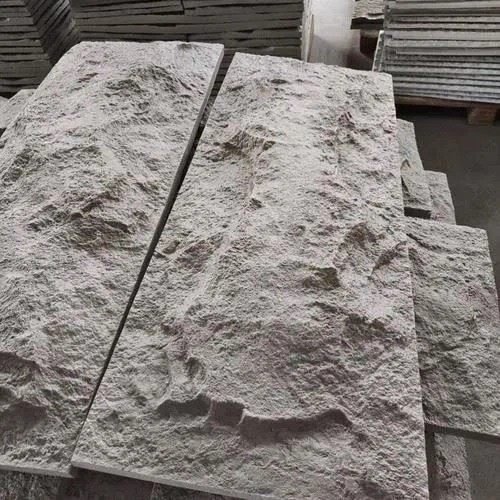
The Paradigm Shift in Exterior Cladding
For decades, the architectural preference for natural stone has defined the aesthetic standard for high-end exterior design. However, those familiar with the realities of site management know that heavy stone masonry brings a specific set of physical challenges. Traditional stone requires significant structural reinforcement, foundations designed to carry massive dead loads, and specialized labor that can complicate project timelines. In recent years, a significant shift has occurred in exterior cladding. The transition toward advanced engineered materials has redefined the building envelope, with PU stone emerging as a prominent solution. This material is not a mere imitation; it is a sophisticated engineered product designed to replicate the intricate textures of slate, granite, and fieldstone while addressing the structural considerations associated with traditional masonry. When building envelopes are constructed using materials with distinct density profiles and engineered structural properties, the entire project architecture becomes more predictable, and structural weight distribution is optimized.
Engineering Resilience: The Chemistry of Polyurethane Facades
The technical advantage of a high-performance PU stone panel is rooted in its polymer cellular structure. Unlike traditional cast-concrete or porous natural stone, these panels are formulated from high-density, closed-cell polyurethane. This engineered core provides exceptional thermal stability and, perhaps more importantly, absolute resistance to moisture. Moisture ingress is the primary cause of facade degradation, leading to structural instability in the substrate. PU stone effectively acts as an exterior barrier, with a non-porous finish that repels water and resists environmental stressors. Furthermore, modern panels are infused with UV-stabilizing pigments that protect the surface from the oxidative stress of prolonged solar exposure. This chemical composition ensures that the material maintains its structural integrity over time, making it a reliable component for diverse building environments.
Comparative Performance Standards
Professional architectural standards demand quantifiable performance. High-quality exterior materials must pass rigorous testing protocols for fire safety, structural deflection, and weather resistance. PU stone panels are designed to meet international benchmarks, providing a safe and reliable alternative to traditional masonry. In professional practice, the move toward these materials is backed by the need for compliance with increasingly strict building codes. By utilizing fire-retardant polymers and reinforced mounting systems, designers can achieve the visual characteristics of stone while meeting safety requirements. The authority of such materials is validated by their performance in varied environments—demonstrating consistent structural stability where natural stone might otherwise be compromised by environmental variables.
The Economics of Material Integration and Structural Longevity
When evaluating the role of an exterior facade, professionals must look beyond the initial purchase price of the material. The value of PU stone lies in the optimization of the structural design. Because these panels are lightweight, the structural framework of the building can be engineered to carry less load, reducing the total amount of raw materials—such as steel and concrete—needed for the foundation and wall structure. Furthermore, the material’s structural properties are designed for precision attachment. This reduction in dead load not only streamlines the construction process but also expands the design possibilities for architectural projects where existing infrastructure must be carefully managed. Investing in a durable, easy-to-maintain wall system effectively balances long-term operational requirements with the architectural aesthetic expected in modern buildings.
Architectural Precision and Visual Consistency
One of the most persistent issues with natural stone is the lack of consistency. Every quarry produces unique variations; while beautiful, these irregularities make it challenging to maintain a seamless visual flow across large exterior surfaces. PU stone offers a sophisticated level of design control. Because these panels are generated through a high-precision digital molding process, every panel maintains an identical texture, color saturation, and edge profile. This uniformity allows architects to plan the layout of the facade with certainty, ensuring that joints are minimal and the pattern flow remains uninterrupted across large surface areas. For complex exterior geometries, this level of manufacturing precision allows for a level of design sophistication that natural stone simply cannot achieve.
Global Promises: Operational Excellence in Surface Solutions
The success of any high-performance exterior facade is ultimately dependent on the quality of the materials selected and the technical reliability of the supply chain that provides them. Choosing an exterior cladding solution is a long-term commitment to the integrity of the building envelope. Global Promises has established a reputation for bridging the gap between sophisticated design intent and uncompromising manufacturing standards. By maintaining a rigorous focus on material integrity, fire safety compliance, and aesthetic fidelity, Global Promises ensures that each panel provides the necessary structural performance for modern building environments. Beyond the physical product, Global Promises offers the logistical consistency and architectural support required for complex developments. Through a commitment to technical precision and a sophisticated understanding of exterior materials, Global Promises continues to demonstrate that the highest standards of architectural beauty are built on a foundation of professional-grade manufacturing and a commitment to material perfection. Every installation serves as a testament to the fact that advanced, resilient facades are achievable through intelligent material science and a superior execution of the supply chain.
Table of Contents
- The Paradigm Shift in Exterior Cladding
- Engineering Resilience: The Chemistry of Polyurethane Facades
- Comparative Performance Standards
- The Economics of Material Integration and Structural Longevity
- Architectural Precision and Visual Consistency
- Global Promises: Operational Excellence in Surface Solutions