
 EN
EN
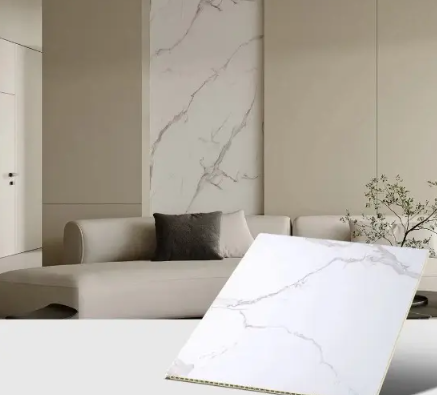
Fire Safety Compliance and Code-Ready PVC Ceiling Selection
Decoding Fire Ratings (ASTM E84, EN 13501-1) for Commercial PVC Ceiling Applications
When choosing commercial PVC ceilings, fire safety regulations need to be taken seriously. The main standards everyone looks at are ASTM E84 and EN 13501-1 across different parts of the world. These tests check how fast flames can spread through materials (they categorize them as Class A, B or C) and also measure how much smoke gets produced. Class A is basically the gold standard here since it means the material won't catch fire easily. For something to qualify as Class A, it needs to have a flame spread rating below 25 and produce no more than 450 units of smoke when tested. Buildings that ignore these requirements end up facing serious problems. According to research from the Ponemon Institute released last year, places with non-compliant ceilings spend around 74 percent more on fires compared to those following proper standards. Each incident typically costs about $740k on average. There are several reasons why businesses must prioritize meeting these safety requirements.
- Material composition: Fire-retardant additives (e.g., aluminum hydroxide or phosphinate compounds) integrated into PVC formulations suppress ignition and slow flame propagation
- Installation integrity: Gaps exceeding 3 mm between panels or at perimeter edges compromise fire barrier continuity and violate NFPA 13 requirements for concealed spaces
- Certification validity: Authentic ratings require third-party verification by accredited labs like UL or Intertek—not self-declared manufacturer claims
Class A PVC Ceilings: Validating Real-World Safety in High-Rise, Healthcare, and Educational Facilities
Class A PVC ceilings have stood the test of time in places where lots of people gather and building codes matter most. When looking at healthcare facility upgrades, the numbers from NFPA 2022 tell us something interesting these ceiling systems actually stop fires spreading about 58 percent quicker compared to regular mineral fiber options. That extra time matters when getting everyone out safely during those crucial first moments of a fire emergency. Schools and universities are seeing around 90 percent reduction in problems related to toxic smoke thanks to special formulas that don't include harmful halogens and produce much less carbon monoxide. These materials meet strict standards set by ISO 5659-2 testing protocols. But their benefits go well beyond simply resisting catching fire in the first place.
- Thermal stability: Certified Class A PVC maintains load-bearing integrity at 400°C for over 60 minutes—critical for structural compartmentalization
- Smoke toxicity: Meets stringent EU CPR requirements for low toxic gas emission (EN 13501-1, B-s1,d0 classification)
- Lifecycle resilience: Retains fire rating after 500+ industrial cleanings, confirmed in food service facility audits
A flagship hospital retrofit achieved a 25:1 ROI over five years—not from material savings, but through reduced insurance premiums and elimination of recurring fire-stopping remediation costs.
Moisture Resistance and Hygienic Performance of PVC Ceiling Systems
Waterproof Integrity in High-Humidity Zones: Retail Basements, Hospital Corridors, and Food Service Areas
PVC ceiling panels stand out when it comes to keeping water out in areas where moisture is a constant problem. Their structure as non-porous thermoplastics means they just don't soak up water like other materials do. Take mineral fiber and gypsum for instance these materials actually attract and hold onto water which isn't great for wet environments. Tests show PVC doesn't absorb any moisture at all according to ASTM D570 standards no weight gain even after sitting submerged for 24 straight hours. That kind of performance makes PVC ideal for places like retail store basements that sometimes flood, hospital hallways cleaned with water every day, and commercial kitchens where steam hangs around constantly. Labs have tested PVC in chambers with 95% humidity and found it stays stable without sagging, bending, or peeling apart unlike many organic materials would.
Mold Prevention, Cleanability, and Long-Term Sanitation for PVC Ceiling in Regulated Environments
PVC ceilings have surfaces that don't let water through, making them really good at stopping mold from growing because they take away the moisture and nutrients spores need to thrive. When 12 hospitals upgraded their facilities, there was basically no mold problems on the ceilings anymore after just a year. These panels can handle all sorts of cleaning stuff like bleach and those quaternary ammonium cleaners too. They even stand up to super strong pressure washing at around 1,200 psi without getting damaged. The joints between panels are completely seamless so nothing gets stuck there for bacteria or other bad stuff to grow. This is actually important for places that process food since it helps meet those strict FDA and HACCP requirements about keeping things clean. Tests done to speed up aging show these PVC surfaces keep about 97% of their original look and function after 15 years. That's way better than metal ceilings with coatings that tend to pit and flake off in environments where cleanliness matters most.
Fast, Low-Disruption Installation of PVC Ceiling in Operational Commercial Spaces
Lightweight PVC Ceiling Panels and Modular Grid Systems for Occupied Buildings
PVC ceiling panels weigh around 30 to 40 percent less than their mineral fiber counterparts, and when paired with standard modular grids, these panels can be installed quickly without disrupting business operations in commercial buildings. The lighter weight means less strain on building structures and makes handling much easier during retrofit projects, particularly on higher floors or in hard to reach spots. Most clip-in systems don't need glue, screws, or special equipment either. Skilled workers typically manage about 1,000 to 1,500 square feet of installation daily depending on conditions. This speed allows stores to complete ceiling work overnight and offices to upgrade over weekends instead of losing money through closed doors during regular hours. Another nice feature is how the panels lock together so individual sections can be replaced without tearing out surrounding panels. This helps maintain clean air standards in hospital clean rooms and keeps production areas sterile in drug manufacturing plants. Facility managers have noticed significant savings too, with some reporting roughly half the labor expenses compared to older methods thanks to quicker setups, less scaffolding required, and minimal prep work needed at the job site.
Total Cost of Ownership: Durability, Maintenance, and Lifecycle Value of PVC Ceiling
15+ Year Service Life vs. Mineral Fiber and Metal Ceilings: A TCO Comparison
Looking at just the upfront price tag doesn't tell the whole story when choosing commercial ceilings. PVC systems typically last anywhere from 15 to 25 years, which means they outlast mineral fiber ceilings by around 40 to 60 percent in areas with lots of moisture such as kitchens, laboratories, or pool rooms. This longevity comes down to their natural resistance against water damage and mold growth. Mineral fiber panels tend to break down quickly when exposed to humidity, sometimes needing complete replacement after just 7 to 12 years. Metal ceilings might seem tough on paper, but they actually need regular anti-rust treatments in harsh environments. The smooth surface of PVC makes cleaning straightforward – just a quick wipe with some basic soap and water does the trick, cutting down on those expensive deep cleaning services and constant attempts to hide stains. When it comes time to install, PVC offers another advantage too. Being lighter than metal saves about 30 percent on labor costs and skips the waiting period needed for gypsum or wooden products to adjust to moisture levels. These savings really add up over time. Studies show that across 20 years, building owners save between $12 and $18 per square meter compared to traditional materials. That's why many facility managers see PVC not just as a ceiling option, but as smart investment for renovation work where reducing disruption and future headaches matters most.
| Cost Factor | PVC Ceiling | Mineral Fiber | Metal Ceiling |
|---|---|---|---|
| Expected Lifespan | 15–25 years | 7–12 years | 20–30 years |
| Annual Maintenance | Low (wipe-clean) | High (stain-prone, moisture-damaged) | Moderate (anti-corrosion treatments, recoating) |
| Moisture Zone Suitability | Excellent | Poor | Good (only with robust, maintained coatings) |
FAQ
What is the significance of Class A rating for PVC ceilings?
Class A rating signifies that the PVC ceiling does not catch fire easily, with a flame spread rating below 25 and smoke production not exceeding 450 units during testing. This rating ensures a high level of fire safety.
Why are PVC ceilings preferred in high-humidity environments?
PVC ceilings are non-porous and do not absorb moisture, making them ideal for high-humidity zones such as retail basements, hospital corridors, and food service areas.
How do PVC ceilings contribute to mold prevention?
The water-impermeable surface of PVC ceilings helps prevent mold growth by removing the moisture that spores need to thrive, making them highly suitable for sanitary environments like hospitals and food processing areas.
What is the typical lifespan of a PVC ceiling compared to other materials?
PVC ceilings typically last 15 to 25 years, outlasting mineral fiber ceilings and offering comparable longevity to metal ceilings without frequent maintenance needs.
How does PVC ceiling installation save costs?
The lightweight nature of PVC panels reduces labor costs, simplifies installation, and lowers the total cost of ownership compared to heavier materials like metal and mineral fiber.
