
 EN
EN
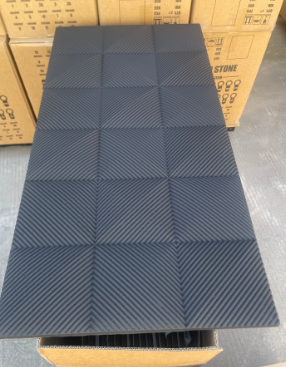
How PU Stone Delivers Realistic Texture and Visual Depth
Skin-Like Surface Detailing and Micro-Topography Simulation
PU stone achieves remarkable textural authenticity through precision molding techniques that capture the micro-topography of natural stone—fissures, veins, granular structure, and subtle erosion patterns—at near-microscopic fidelity. Molds are taken directly from quarried specimens, enabling polyurethane’s exceptional detail retention during curing. The result is a skin-like surface with depth variations as fine as 0.2 mm, replicating sedimentary layering, igneous crystallization, or metamorphic foliation. Unlike uniform synthetics, this organic irregularity delivers both tactile feedback and visual honesty—critical for interior environments where material integrity shapes spatial perception.
Light Interaction: Reflectivity, Shadow Play, and Dimensional Perception
PU stone’s optical performance is engineered to mirror natural stone’s mineral-specific light behavior: soft diffusion for limestone, sharp crystalline sparkle for quartzite, and matte depth for basalt. When grazed by directional light, its textured surface generates micro-shadows that amplify perceived thickness by up to 300% versus flat panels. This photic dimensionality transforms static walls into evolving topographical landscapes—especially when installed at strategic angles. A 15–20 mm-thick PU stone wall can visually read as 40–60 mm deep, allowing designers to create bold focal points without structural compromise. In residential and hospitality settings, shifting daylight continuously redefines spatial volume through nuanced textural interplay.
PU Stone Design Versatility Across Interior Styles
PU stone adapts seamlessly across design languages—from raw, rustic expressions to refined modern minimalism—without sacrificing authenticity or imposing structural burden. Advanced molding captures the distinct character of basalt, limestone, and cast concrete with high fidelity. Rustic applications use deeply textured basalt-inspired panels with weathered edges for cabin walls or bar fronts; polished limestone variants offer subtle, fluid veining ideal for transitional spaces; while concrete-look panels deliver monolithic, industrial calm in lofts and minimalist interiors. Crucially, PU stone eliminates the trade-off between visual weight and physical load—enabling full-wall installations or singular statement pieces with no reinforcement required.
Color Consistency and Veining Algorithms: Digital Precision Meets Natural Variation
AI-driven color calibration ensures batch-to-batch consistency in base tones—resolving the hue mismatch common with quarried stone. Simultaneously, algorithmically generated veining follows geologically plausible fracture paths, producing organic streaks, nodules, and tonal gradations rather than mechanical repetition. This controlled variability allows large accent walls to read as a unified geological formation—not a tiled assembly. For commercial clients like hotels and restaurants, it guarantees long-term maintainability: replacement panels ordered years later integrate invisibly. The outcome is a uniquely balanced synthesis—industrial repeatability paired with the visual soul of natural geology.
Strategic PU Stone Applications for High-Impact Accent Walls
TV Walls, Fireplaces, Headboards, and Staircases: Functional and Aesthetic Priorities
PU stone excels where aesthetics and function converge. On TV walls, its non-reflective, deeply textured surface minimizes glare while adding quiet sophistication—enhancing acoustics through sound-diffusing topography. Fireplace surrounds leverage PU stone’s certified heat resistance (up to 120°C) to deliver rustic warmth or sleek modernism without thermal risk or masonry complexity. In bedrooms, PU stone headboards introduce grounded tactility and visual weight, anchoring the space with natural gravitas. On staircases, cladding adds architectural definition and wear-resistant durability to high-traffic vertical surfaces. These applications extend beyond residential use: hotel lobbies, restaurant feature walls, and boutique retail spaces rely on PU stone for grandeur, longevity, and ease of installation.
Styling PU Stone for Maximum Design Cohesion and Contrast
Directional Lighting to Enhance Grain Definition and Textural Layering
Directional lighting is not optional—it’s essential. Mounting fixtures at a 30-degree grazing angle maximizes contrast between light-catching ridges and shadowed recesses, sharpening grain definition and reinforcing the illusion of depth. As ambient light shifts throughout the day, the wall’s character evolves: morning light reveals delicate striations; afternoon sun deepens crevices; evening fixtures restore sculptural clarity. This dynamic responsiveness ensures PU stone remains an active, living element—not a static backdrop.
Material Pairing Principles: Wood Warmth, Metal Sharpness, and Fluted Panel Rhythm
Strategic material pairing unlocks PU stone’s full design potential. Warm-toned woods—oak, walnut, or charred cedar—soften its inherent coolness and mineral austerity, inviting human scale and comfort. Metals—thin steel frames, brushed brass shelf brackets, or matte black hardware—introduce precision, contrast, and contemporary edge. Fluted panels, whether in wood, metal, or plaster, establish rhythmic verticality that harmonizes with stone’s natural layering while breaking up expansive surfaces. Together, these pairings create layered, intentional compositions where PU stone serves as the foundational anchor—grounded, expressive, and unmistakably real.
FAQ
What is PU stone made of?
PU stone is crafted from high-quality polyurethane, molded to replicate the textures and characteristics of natural stone in exceptional detail.
How durable is PU stone compared to natural stone?
PU stone offers remarkable durability and is designed to resist wear and environmental impacts. It is lighter and easier to install compared to natural stone while maintaining aesthetic integrity.
Where can PU stone be used?
PU stone is versatile and can be used for TV walls, fireplaces, headboards, staircases, accent walls, and various commercial applications such as hotels, restaurants, and retail spaces.
Can PU stone be customized for specific designs?
Yes, PU stone can be tailored to fit both rustic and modern design styles, utilizing AI-driven color consistency and veining algorithms for unique applications.
Does PU stone require special lighting?
Directional lighting is recommended to enhance PU stone’s texture and visual depth, maximizing its dynamic interaction with ambient light.
