 EN
EN
Unmatched Durability and Waterproof Performance of SPC Flooring
Zero swelling after 72-hour submersion—outperforming engineered hardwood by 400%
SPC flooring’s waterproof core remains dimensionally stable even when fully submerged for 72 hours—demonstrating zero measurable swelling. This performance represents a 400% improvement over engineered hardwood, which typically exhibits significant expansion under identical test conditions. The stone polymer composite (SPC) core’s inherent impermeability prevents water absorption—the primary cause of warping, buckling, and delamination in wood-based floors—making it uniquely suited for high-moisture zones like kitchens, bathrooms, and basements.
Non-porous stone polymer composite core prevents moisture ingress and structural warping
Unlike wood, laminate, or even many WPC products, SPC flooring features a rigid, non-porous core composed primarily of limestone powder, PVC, and stabilizers. This composition blocks moisture penetration at the molecular level, eliminating the risk of structural warping, subfloor damage, or mold growth—even in environments with sustained 99% relative humidity. Its dimensional stability is validated by ASTM D4169 and EN 16511 testing protocols, confirming reliability in both residential and light commercial applications.
SPC Flooring Aesthetic Versatility Meets Modern Design Trends
Photorealistic wood and stone visuals with embossed-in-register (EIR) texture
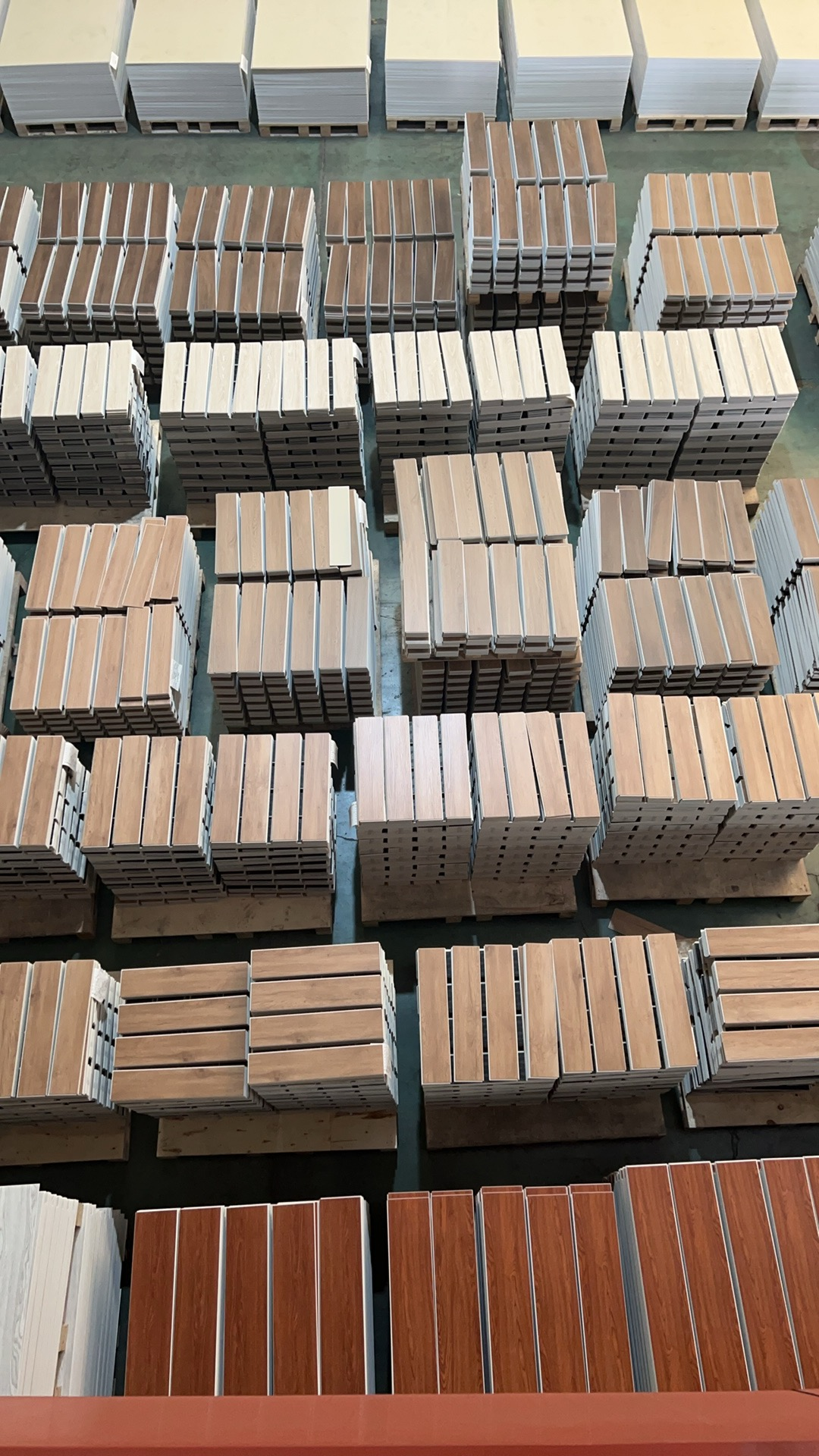
SPC flooring delivers exceptional visual fidelity through high-definition digital printing and embossed-in-register (EIR) technology—where surface texture precisely aligns with printed grain or veining patterns. The result is tactile authenticity that convincingly replicates oak’s warmth, walnut’s richness, or slate’s rugged elegance. Because the non-porous core protects against moisture-induced distortion, these premium visuals remain sharp and consistent over time—without the yellowing, cupping, or finish degradation seen in moisture-sensitive alternatives.
Top 5 2024 trending SPC color palettes: Warm Greige Oak, Matte Black Slate, and more
2024 interior design trends emphasize grounded, textural neutrals that bridge natural warmth and contemporary minimalism. Leading SPC colorways reflect this shift:
- Warm Greige Oak: A harmonious blend of beige’s softness and grey’s sophistication, ideal for open-plan living spaces
- Matte Black Slate: Deep, non-reflective finish with subtle mineral variation—perfect for urban lofts and modern kitchens
- Weathered White Oak: Soft gray undertones and lightly distressed grain evoke coastal calm
- Terra Cotta Tile: Handcrafted ceramic realism with warm, earthy tonal depth
- Driftwood Gray: Silvery-gray base with delicate silver-washed grain—suited to Scandinavian and Japandi aesthetics
These palettes illustrate how SPC seamlessly supports diverse styles—from Mediterranean-inspired sunrooms to industrial-chic lofts—without compromising on performance.
Low-Maintenance Efficiency: Why Homeowners Choose SPC Flooring
One of the strongest drivers behind the rapid homeowner shift to SPC flooring is its exceptional low-maintenance efficiency. Unlike hardwood—which requires periodic sanding and refinishing—or tile, which demands grout cleaning and sealing—SPC eliminates recurring upkeep. Its engineered construction delivers lasting beauty with only basic care: a weekly sweep and occasional damp mop using pH-neutral cleaners.
92% report no refinishing or resealing needed over 5 years
Independent consumer surveys conducted across North America and Europe show that 92% of SPC flooring owners performed no refinishing, resealing, or professional maintenance within the first five years post-installation. By contrast, industry data from the National Wood Flooring Association indicates engineered hardwood typically requires full or partial refinishing every three to five years—adding $3–$5 per square foot in labor and material costs. For a 1,500 sq ft home, that translates to $4,500–$7,500 over a decade—costs SPC owners avoid entirely.
0.5mm+ UV-cured acrylic wear layer resists scratches, pet claws, and heavy traffic
The top protective layer—a UV-cured acrylic coating measuring 0.5mm or greater—is central to SPC’s resilience. Per ASTM F1914 abrasion testing, SPC with this wear layer withstands over 1,000 cycles on the Taber test, exceeding the minimum 600-cycle threshold for heavy residential use (ASTM F1914 Class 31). This translates to real-world resistance against pet claws, stiletto heels, moving furniture, and daily wear—without visible scuffing or dulling. The UV-cured finish also provides superior fade resistance (per ISO 105-B02), ensuring consistent color across sunlit rooms and eliminating the need for area rugs as UV shields.
SPC Flooring Market Adoption: Evidence of Rapid Residential Growth
Global residential adoption of SPC flooring has accelerated dramatically, driven by urbanization, rising renovation activity, and consumer demand for durable, low-maintenance materials. In China—the world’s largest flooring market—SPC accounts for 47% of total residential flooring volume, with renovation-driven installations surging 20% year-over-year in 2024 and capturing a 35% share among all flooring categories. India’s SPC market is expanding at a compound annual growth rate of 21%, supported by government-backed housing initiatives and a rapidly growing middle class. Across North America, SPC is now the fastest-growing flooring category in both multi-family developments and single-family remodels—cited by 68% of builders in the 2024 NAHB Multifamily Construction Outlook for its waterproof integrity, ease of installation, and tenant appeal. With the global SPC flooring market projected to reach $8.9 billion by 2026 (Grand View Research), its transition from niche innovation to mainstream residential standard is firmly underway.
FAQ
What makes SPC flooring waterproof and durable?
SPC flooring’s core is composed of stone polymer composite, which is non-porous and blocks moisture penetration at the molecular level. This prevents water absorption, warping, and structural damage even in high-moisture areas.
How does SPC flooring compare to engineered hardwood?
SPC flooring outperforms engineered hardwood in waterproof performance by 400%. Engineered hardwood tends to expand or warp after exposure to moisture, whereas SPC remains dimensionally stable even after full submersion.
What are trending SPC designs for 2024?
Top 2024 SPC flooring trends include designs such as Warm Greige Oak, Matte Black Slate, Weathered White Oak, Terra Cotta Tile, and Driftwood Gray. These palettes blend natural warmth and modern minimalism to suit various interiors.
Is SPC flooring low-maintenance?
Yes, SPC flooring requires minimal upkeep. A weekly sweep and occasional damp mop using pH-neutral cleaners are usually sufficient, eliminating the need for refinishing, resealing, or grout maintenance.
Why is SPC flooring growing in popularity?
The surge in adoption is driven by its waterproof integrity, aesthetic versatility, and cost-effectiveness. Furthermore, its durability and ease of installation make it a preferred choice for both residential and commercial applications.
