 EN
EN
Aesthetic Versatility: High-End Design with WPC Wall Panel Customization
Fluted, 3D, Wood Grain, and Specialty Surface Finishes
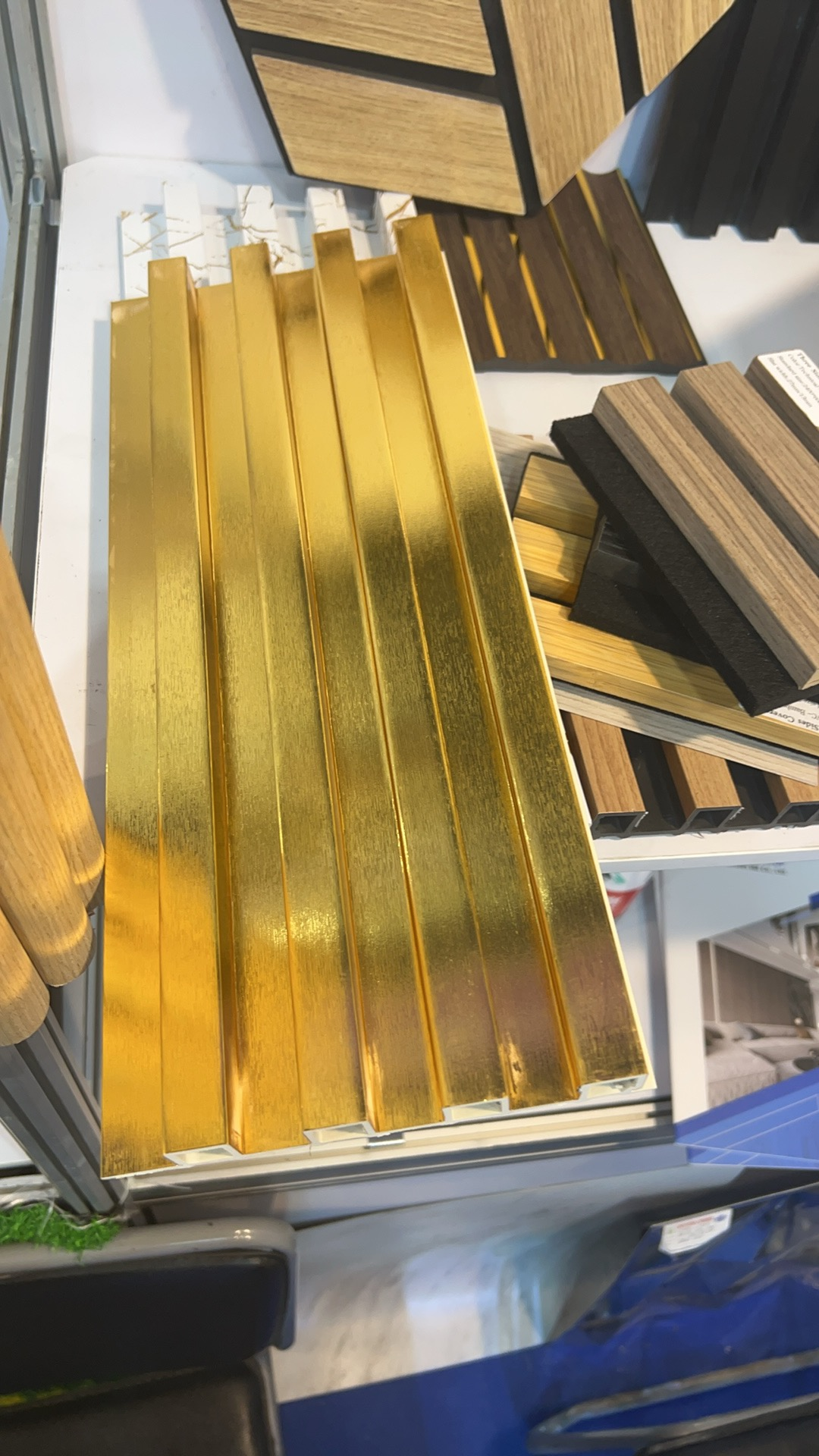
WPC wall panels deliver exceptional aesthetic flexibility through precision-engineered surface finishes. Fluted patterns introduce vertical rhythm—enhancing perceived ceiling height and lending refined architectural character. Three-dimensional (3D) textures create dynamic light-and-shadow interplay, transforming flat walls into sculptural focal points. Realistic wood grain options replicate oak, walnut, and teak with fidelity, offering the warmth of natural timber without its susceptibility to warping, cracking, or moisture damage. Specialty surfaces—including brushed metal, distressed leather, and concrete-look embossing—enable designers to execute highly curated, style-specific visions, from minimalist calm to industrial edge. Because the WPC core supports deep, consistent embossing and holds fine detail over time, these finishes retain visual integrity and tactile authenticity across years of use.
Marble-Look, Metallic, and Textured Surfaces via Advanced Lamination
Advanced digital lamination expands design possibilities further—rendering high-fidelity reproductions of natural marble, slate, and limestone veining with photographic accuracy. Metallic finishes like brushed brass, aged copper, and matte chrome add understated luxury to accent walls and feature zones. Tactile surfaces—such as soft-touch suede, coarse basalt, or hammered steel—introduce dimensionality that paint or wallpaper cannot match. These laminates bond permanently to the WPC substrate during manufacturing, eliminating risk of peeling, bubbling, or delamination. Crucially, because the underlying composite is inherently waterproof and dimensionally stable, laminated panels perform reliably in high-moisture environments like bathrooms, kitchens, and laundry rooms—without warping, swelling, or requiring vapor barriers.
Reliability in Real-World Interiors: Moisture Resistance and Structural Durability
Proven Performance in Bathrooms, Kitchens, and Basements
WPC wall panels excel where traditional interior finishes falter: in consistently humid or moisture-prone spaces. In bathrooms, their non-porous surface repels water absorption—effectively preventing mold and mildew growth behind or within the panel. Kitchens benefit from splash resistance and thermal stability near steam-producing appliances. In basements, WPC maintains dimensional consistency despite seasonal humidity fluctuations—unlike drywall, which degrades above 80% relative humidity (Building Performance Institute, 2023). This reliability enables straightforward DIY installation without specialized tools, framing modifications, or moisture-mitigation layers—making it a practical upgrade for retrofit and renovation projects.
Long-Term Resilience Against Scratches, Dents, Insects, and UV Exposure
The engineered composite core provides robust protection against everyday wear. Impact-resistant surfaces withstand furniture bumps and incidental contact without denting. UV-stabilized pigments and protective topcoats prevent fading—even in sun-drenched living rooms or south-facing offices. Unlike natural wood, WPC contains no cellulose-based nutrients, making it inherently unattractive to termites and wood-boring insects. Independent testing shows WPC resists visible scratching at forces up to 15N—triple the threshold at which solid wood begins to mark (Material Performance Institute, 2023). As a result, WPC panels deliver 2–3× the service life of painted drywall and require no refinishing, sealing, or replacement cycles—reducing long-term maintenance to near zero.
Health, Safety, and Comfort: Fire-Retardant, Low-VOC, and Acoustic Benefits of WPC Wall Panel
Class B Fire Rating and Formaldehyde-Free Composition
Safety is built into WPC wall panels—not added as an afterthought. Formulated with integrated fire-retardant additives, they typically achieve a Class B fire rating per ASTM E84—significantly slowing flame spread and suppressing smoke toxicity compared to untreated wood or standard MDF. Their self-extinguishing behavior provides critical additional escape time in emergency scenarios. Equally important, leading WPC manufacturers eliminate formaldehyde and other hazardous VOCs from both binders and finishes. Third-party certified emissions consistently fall below 50 µg/m³—well within stringent indoor air quality standards set by GREENGUARD Gold and California Section 01350. This formaldehyde-free, low-emission profile makes WPC a trusted choice for sensitive environments including schools, healthcare facilities, and family homes.
Sound-Absorbing Properties for Enhanced Indoor Acoustics
WPC’s hybrid composition—wood fibers dispersed in a polymer matrix—naturally dampens sound transmission. Textured, perforated, or grooved panel variants achieve Noise Reduction Coefficients (NRC) between 0.70 and 0.80, effectively absorbing mid-to-high frequency noise such as speech, appliance hum, and footfall resonance. This acoustic buffering reduces echo and background noise pollution—creating calmer, more focused environments in open-plan offices, lively kitchens, and multi-use living areas. Unlike conventional drywall—which transmits sound readily—WPC contributes meaningfully to acoustic comfort without requiring secondary insulation layers or complex construction techniques.
Smart Value: Lower Total Cost of Ownership vs. Drywall, Paint, and Solid Wood
Faster DIY Installation, Minimal Waste, and 2–3× Longer Lifespan
True value emerges when evaluating total cost of ownership—not just upfront price. WPC wall panels cut installation time significantly: their precision-milled tongue-and-groove system enables rapid, tool-light assembly—reducing labor costs by up to 50% versus drywall (which demands taping, mudding, sanding, and multiple paint coats) or solid wood (requiring framing, custom cutting, finishing, and sealing). Material waste is minimal—panels arrive pre-sized and ready to install, avoiding the offcuts and debris common with drywall and lumber. Most critically, WPC outlasts alternatives: while painted drywall typically needs refreshing every 3–5 years and solid wood may warp or require refinishing within a decade, WPC panels maintain structural and aesthetic integrity for 20+ years with no maintenance. Over two decades, this durability—combined with faster installation and lower waste disposal—reduces total cost of ownership by approximately 40% compared to conventional wall systems.
Frequently Asked Questions (FAQ)
What are WPC wall panels?
WPC (Wood Plastic Composite) wall panels are durable composite materials made from wood fibers and polymer. They are used for interior wall finishes and are highly customizable.
Can WPC wall panels resist moisture?
Yes, WPC panels are waterproof, making them ideal for bathrooms, kitchens, and basements. They effectively repel water and prevent issues like mold growth.
Are these panels safe for indoor use?
Absolutely. WPC panels are formaldehyde-free, low in VOC emissions, and meet stringent indoor air quality standards, making them safe for homes, schools, and healthcare facilities.
How durable are WPC wall panels?
They are highly durable, resistant to scratches, dents, UV exposure, and even termites. They also last 2–3× longer than traditional painted drywall.
Can I install these panels by myself?
Yes, WPC panels are designed for easy installation with tongue-and-groove systems, making them perfect for DIY projects.
What designs or finishes are available for WPC panels?
WPC wall panels come in various finishes, including wood grain, marble-look, metallic textures, 3D designs, and specialty surfaces like brushed metal or distressed leather.
Table of Contents
- Aesthetic Versatility: High-End Design with WPC Wall Panel Customization
- Reliability in Real-World Interiors: Moisture Resistance and Structural Durability
- Health, Safety, and Comfort: Fire-Retardant, Low-VOC, and Acoustic Benefits of WPC Wall Panel
- Smart Value: Lower Total Cost of Ownership vs. Drywall, Paint, and Solid Wood
