
 EN
EN
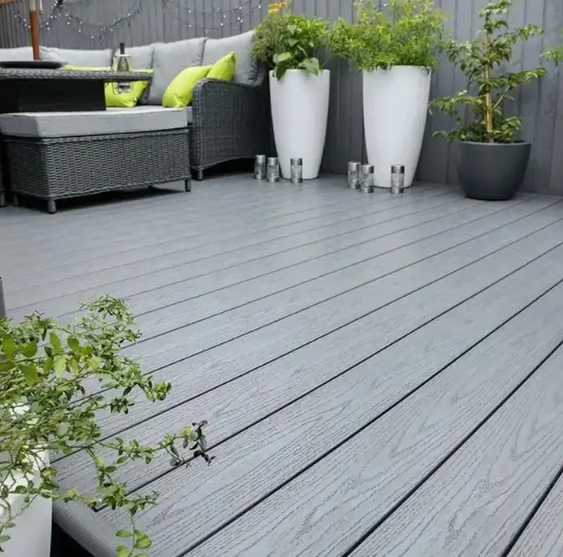
What Is WPC Decking and How Does It Differ from Traditional Materials?
Wood Plastic Composite (WPC) decking combines bits of recycled wood with plastics like HDPE or polypropylene to make something that looks like real wood but doesn't have all those annoying problems. Traditional wood decks need constant sealing against rot, bugs, and water damage, but WPC just sits there without needing any special care or chemicals. When compared to solid plastic options, WPC actually has better looking wood grain patterns thanks to some fancy manufacturing processes. The plastic part of the mix makes it stable even when temperatures change, so it won't warp or move around like regular wood does over time. Most WPC products contain about 40 to 70 percent actual wood fibers mixed into the plastic base, which gives them superior strength compared to other composite materials on the market. Plus, since WPC uses leftover materials from other industries, it helps reduce waste and meets green building standards such as LEED and BREEAM. These decks typically last well over 25 years, which is roughly twice as long as standard pressure treated pine would hold up.
Key Advantages of WPC Decking for B2B Projects
Durability and Low Maintenance in High-Traffic Environments
WPC performs exceptionally well in commercial settings where durability, safety, and getting things done efficiently matter most. Think about places like hotels, shopping centers, and city sidewalks where people walk all day long. The composite material doesn't warp or crack easily, and won't rot away when exposed to rain or sun for months on end. This is a big plus compared to regular wood which needs constant attention. No need for annual staining, sealing, or tedious sanding jobs. Just give it a quick wash with soapy water once in a while and it stays looking good. According to some facility managers we talked to, maintenance expenses can drop by around half over a decade versus old fashioned wooden installations. What makes WPC really stand out? Special additives built right into the product help maintain vibrant colors for longer periods while keeping mold at bay, especially important near coastlines or in areas with high humidity levels.
Sustainability Credentials and Compliance with Green Building Standards
Wood plastic composite (WPC) decking really helps push sustainability forward since it typically contains between 70 to 95 percent recycled materials. These include old wood fibers mixed with plastics from consumer products that would otherwise go to landfills. This approach cuts down on the need for fresh timber resources as well. Top companies in the industry follow specific standards like ASTM D6662 for structural performance requirements and ISO 13344 when assessing product lifecycles. By meeting these benchmarks, construction teams can collect valuable credits needed for certifications such as LEED v4.1 and BREEAM. Independent studies have confirmed what many suspect already: WPC produces roughly 40 percent less carbon emissions during production compared to tropical hardwood options. Plus, unlike traditional wood, WPC can actually be recycled completely once its useful life ends. All these factors make WPC a smart choice for businesses working on their ESG reports while also complying with increasingly strict regulations around green building practices across various sectors.
Selecting the Right WPC Decking Product: Performance, Certification, and Sourcing Criteria
Evaluating Core Composition, UV Resistance, and Slip Ratings
When looking at commercial uses, go for WPC products made with HDPE or polypropylene cores since they generally have better density, stiffness, and stand up much longer against creep issues compared to cheaper polyethylene blends. Make sure there's proper UV protection by checking documentation showing at least 2% titanium dioxide content. Without certification, colors tend to fade quite badly over time some products lose around 40% of their original color after just five years. For areas where safety matters most like wet spots or places with lots of foot traffic, slip resistance becomes really important. The material should meet either R11 or R12 standards according to DIN 51130 testing these ratings actually make a difference in reducing falls when compared to regular untreated wood surfaces.
Understanding Industry Certifications (ASTM D6662, ISO 13344) and Supplier Vetting
The ASTM D6662 certification checks off several important performance factors including moisture absorption levels, resistance against fungi growth, flexural strength measurements, and how materials react to temperature changes. This makes it pretty much mandatory when building commercial properties that need to meet codes. The ISO 13344 standard actually looks at environmental impact assessments throughout a product's life cycle rather than testing for fire safety characteristics. If someone needs information about how materials behave during fires, they should check out UL 723 or ASTM E84 reports instead. When working with these certifications, make sure to verify the actual numbers through organizations such as UL Solutions or FSC. Good suppliers don't just hand over glossy brochures but deliver complete third party testing documents. They also tend to have better deals on large orders since they can maintain consistent quality standards, track where their raw materials come from, and often cut costs between 15% and 20% without sacrificing green credentials.
Installation Best Practices and Long-Term Cost Analysis for WPC Decking
Substructure Compatibility, Fastening Methods, and Expansion Management
The foundation really matters when it comes to how long WPC decks last. For best results, install corrosion resistant aluminum or galvanized steel joists that are no further apart than 16 inches center to center. These should follow what the manufacturer says about thermal movement patterns. Most pros recommend hidden clip systems instead of screwing through the boards from above. Clips keep the surface looking good, stop water from getting in around the fasteners, and let the boards expand naturally as temperatures change. Around the edges, leave gaps between 1/8 inch and 1/4 inch for every 12 feet of decking. The National Decking Association reported back in 2023 that about one third of all buckling problems come from not allowing enough room for expansion and contraction. Don't forget to leave at least an inch of air space underneath the deck too. This helps prevent trapped moisture which can lead to mold growth and other nasty issues down the road.
Total Cost of Ownership vs. Wood or PVC: ROI Over 10+ Years
WPC does cost about 15 to 30 percent more initially compared to regular pressure treated wood, but what it lacks in price it makes up for in maintenance savings over time. Think about all those yearly expenses on stains, sealers, and sanding work that typically run around $750 for every 500 square feet of deck space. These costs alone can wipe out the extra investment within just four to seven years when looking at commercial installations. Regular PVC decks aren't doing so hot either though. They tend to fade faster under sunlight, which means replacing them somewhere between 5 and 8 percent more often over a fifteen year period. Industry data suggests WPC gives back roughly 28 percent better returns than traditional wood options and about 19 percent better than top quality PVC alternatives over the same timeframe. And real estate experts have noticed something interesting too. According to recent research from the Realtors Land Institute in 2024, properties with certified WPC decking actually see their values increase by 3 to 5 percentage points. This effect is especially noticeable in places like apartment complexes and hotels where consistent appearance matters and ongoing maintenance costs need to stay low to maintain competitive advantage.
Frequently Asked Questions (FAQ)
What is WPC decking made of?
WPC decking is made from recycled wood fibers and plastics, such as HDPE or polypropylene, that are combined to create a material resembling real wood.
How does WPC decking compare to traditional wooden options?
WPC decking is more durable and requires less maintenance than traditional wood. It is resistant to rotting, warping, and insect damage, unlike real wood which needs regular sealing and care.
Is WPC decking environmentally friendly?
Yes, WPC decking is considered environmentally friendly as it is typically made from 70 to 95 percent recycled materials and helps reduce waste.
How long does WPC decking last?
WPC decking can last over 25 years, which is much longer than standard pressure-treated pine decking.
What are the installation requirements for WPC decking?
Proper installation involves using corrosion-resistant joists no more than 16 inches apart, with recommendations for hidden clip systems and adequate gap allowances for expansion.
Table of Contents
- What Is WPC Decking and How Does It Differ from Traditional Materials?
- Key Advantages of WPC Decking for B2B Projects
- Selecting the Right WPC Decking Product: Performance, Certification, and Sourcing Criteria
- Installation Best Practices and Long-Term Cost Analysis for WPC Decking
- Frequently Asked Questions (FAQ)
