
 EN
EN
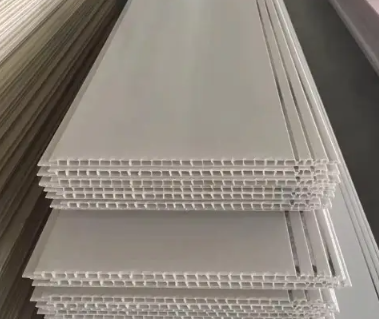
Why PVC Wall Panels Excel in Functional Interior Applications
Moisture Resistance and Performance in High-Humidity Areas (Bathrooms, Kitchens)
PVC wall panels work really well in bathrooms, kitchens, and anywhere else that gets damp all the time. They're completely non porous, so unlike regular wood or standard drywall, these panels don't soak up any moisture at all. That means no warping, no rotting, and definitely no structural problems over time. Because they won't let water in, mold and mildew just can't take hold either. This makes them great for keeping spaces healthier overall while cutting down on how much upkeep is needed later on. If installed correctly, most PVC panels will keep working just fine for around 20 years even when constantly exposed to humidity. Plus, since they install without gaps or grout lines, there's nowhere for germs to hide. This matters a lot in places like kitchens where food is prepared or in showers where water splashes everywhere regularly.
Durability, Easy Cleaning, and Low-VOC Options for Healthy Residential Interiors
PVC panels stand up really well against scratches, dents, and daily wear and tear, which makes them great choice for households with kids running around or places where lots of people walk through regularly. The surface is smooth and doesn't absorb dirt, so all it takes is a quick wipe down with something gentle most of the time. No need for sealing agents, heavy scrubbing, or special treatments like what's required for tiles, stone surfaces, or freshly painted walls. Many top brands these days have started producing versions with lower VOC levels that pass strict indoor air quality tests, such as those meeting GREENGUARD Gold standards. These products release far fewer chemicals into the air compared to regular alternatives, according to industry benchmarks. For families concerned about indoor air quality, especially those with little ones or anyone prone to allergies, this kind of paneling offers peace of mind without compromising on durability.
Aesthetic Flexibility: Matching PVC Wall Panels to Design Intent
Realistic Material Mimicry – Wood-Grain, Marble, and 3D Textures
Modern PVC wall panels can look almost exactly like expensive materials these days. The latest tech uses super detailed digital printing to catch every little detail in wood grains, complete with embossed textures that actually feel like real wood under your fingers. Some panels even have special mineral layers that make them look just like real marble with those beautiful vein patterns and shiny crystal spots. There are also 3D textured versions available now that give walls some real depth and character, making them stand out as focal points in any room. A recent industry report from Surface Design (2024) shows something pretty interesting too – these realistic looking panels cost about half to three quarters less than actual stone or solid wood counterparts while still giving that luxurious appearance.
Color, Finish, and Layout Strategies for Living Rooms, Bedrooms, and Feature Walls
Design intent drives strategic application:
- Feature Walls: Bold geometric or wave-patterned 3D panels anchor living rooms with visual energy and architectural interest.
- Neutral Palettes: Matte-finish ivory, warm greige, or soft slate panels foster calm and cohesion in bedrooms—ideal for minimalist or biophilic schemes.
- Layout Innovation: Vertical paneling optically lifts ceiling height; chevron or herringbone layouts expand perceived space in compact rooms. Wipeable, child-safe cartoon or nature-themed prints bring playful functionality to nurseries and kids’ rooms. In formal living areas, travertine-textured panels paired with brushed brass or matte black trims elevate sophistication without compromising practicality.
Key Selection Criteria for Optimal PVC Wall Panel Integration
Picking the correct PVC wall panel involves finding a good balance between how well it performs, safety factors, and whether it looks right in the space. Start by thinking about where the panel will go. Bathrooms need something that can handle lots of moisture, so look for panels with waterproof cores and sealed edges from the factory. Living areas are different though; these spaces benefit more from panels certified as low VOC to keep indoor air clean. When it comes to lasting power, thicker panels generally work better. Anything at least 0.8mm thick with a tough outer layer stands up better to daily wear and tear in busy homes or places with kids running around. Check if the panel works with what's already on the walls too. Tongue and groove designs make things easier for someone installing without professional help on standard drywall or wood surfaces. Some products even handle small bumps in walls pretty well, which saves time during preparation. Don't forget about appearance either. Textured surfaces hide little imperfections in the underlying material, and lighter colored panels can make a room feel bigger and brighter. And remember, when dealing with commercial buildings or apartment complexes, make sure to get panels rated for fire resistance according to either Class B1 standards or the equivalent ASTM E84 Class A requirements.
Installation, Cost, and Long-Term Value of PVC Wall Panels
DIY-Friendly Installation Methods and Substrate Compatibility
PVC wall panels make installation a breeze for anyone handy around the house. These panels weigh way less than traditional materials like tile or stone, which is a huge plus when working alone. They come with those clever interlocking edges, either tongue-and-groove style or the newer click-lock system, and stick pretty well to surfaces as long as they're clean and flat. Drywall works great, but they'll also go on plywood, concrete walls, even over old tiles if they're in decent shape. Most folks just need a few basic items: a utility knife comes in handy, obviously a level to keep things straight, maybe a tape measure for planning out where each panel goes, plus some construction adhesive for extra security. Cutting them isn't a problem at all with a fine toothed saw or one of those scoring tools available at hardware stores. When installed properly, the joints seal up nicely creating a surface that won't let water through. Compared to laying down regular tile, installing these panels cuts down on labor time by about half. Best part? No need to mess with backer boards, thinset mortar, or tedious grout work. That makes updating bathrooms or kitchens where moisture is always an issue much simpler and faster than traditional methods.
Upfront Cost vs. Lifecycle Savings Compared to Tile, Paint, or Wallpaper
The price tag on premium PVC panels usually falls somewhere around $80 to $100 for a standard 4x8 foot sheet, which works out to roughly $2.50 to $3.13 per square foot. That puts them right in the middle ground between decent quality paint jobs and basic tile options. What really stands out though is how these panels pay for themselves down the road. Recent studies from last year indicate homeowners can save anywhere from 30% to 40% in overall costs compared to other materials. Regular paint needs touching up every few years while wallpaper tends to bubble and gets damaged by moisture. PVC panels just keep looking good for decades with nothing more than occasional wiping. Tile might look nice at first glance but comes with sticker shock when considering installation costs that typically run $5 to $10 per square foot for materials alone, not counting another $3 to $5 per square foot for professional installers. And let's not forget about all those ongoing maintenance tasks related to grout lines. Since PVC doesn't have any grout lines to worry about and holds up against sunlight exposure and humidity changes, it maintains its appearance consistently over time. For this reason, many interior designers recommend PVC as a smart investment that saves money and headaches in both homes and small commercial spaces alike.
FAQ
Are PVC wall panels suitable for high-humidity areas?
Yes, PVC wall panels are ideal for high-humidity areas like bathrooms and kitchens due to their non-porous nature, which prevents moisture absorption, warping, and mold growth.
How do PVC wall panels compare in cost to other materials?
While the initial cost of PVC panels is moderate, they offer significant lifecycle savings, reducing maintenance and installation costs compared to tile, paint, and wallpaper.
Can I install PVC wall panels by myself?
Yes, PVC panels are DIY-friendly, thanks to their lightweight and interlocking design, making them easy to install on various substrates.
